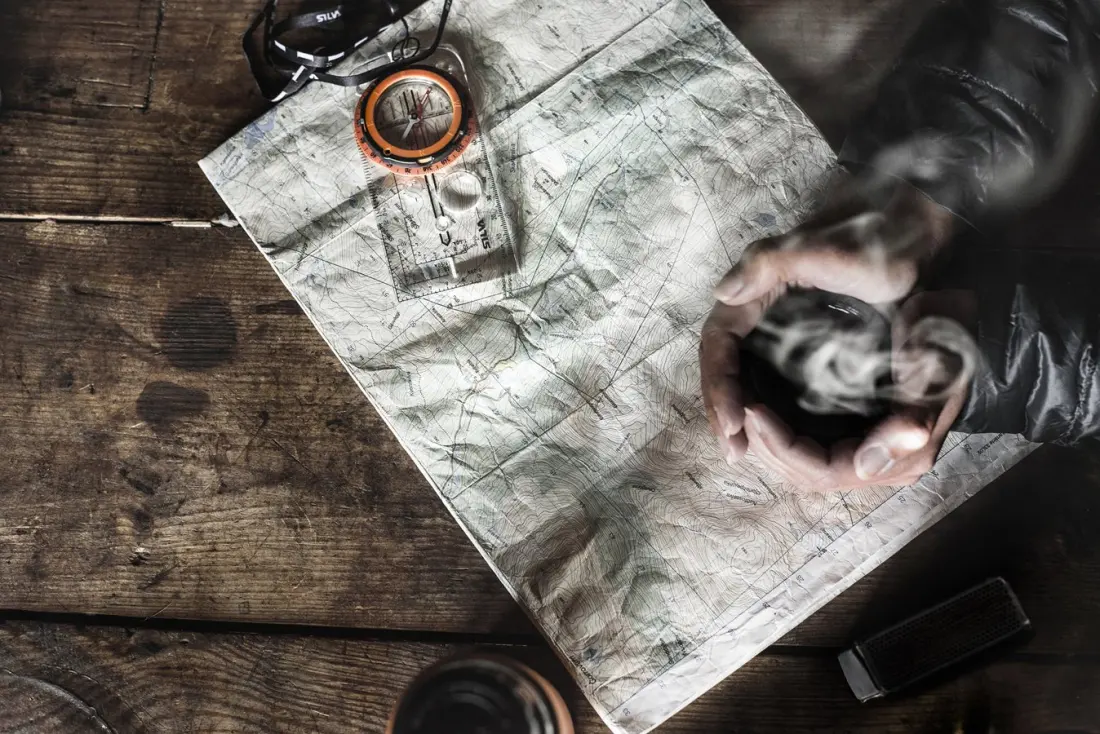
A compass is 2,000-year-old technology that refuses to die, and Australian Geographic has a timely reminder of why. The Chinese were experimenting with magnetised direction-finding around 200 BC — initially for divination, not travel — but the design most bushwalkers carry today is surprisingly modern: a protractor-style compass on a clear baseplate, invented in Sweden in 1932 by Björn Kjellström, his brothers and machinist Gunnar Tillander. Kjellström turned it into the Silva empire after WWII, and Silva and Suunto remain the go-to brands.
Why bother when your watch has GPS? Because a compass needs no battery, no signal and no software update. The article drives the point home with a chilling case: in 2013, 66-year-old Geraldine Largay vanished beside the Appalachian Trail after stepping off it briefly, leaving her SPOT GPS device at her motel and — as investigators later found — owning a compass she didn't know how to use. She survived 26 days before dying of exposure and starvation, and her remains weren't found for two years.
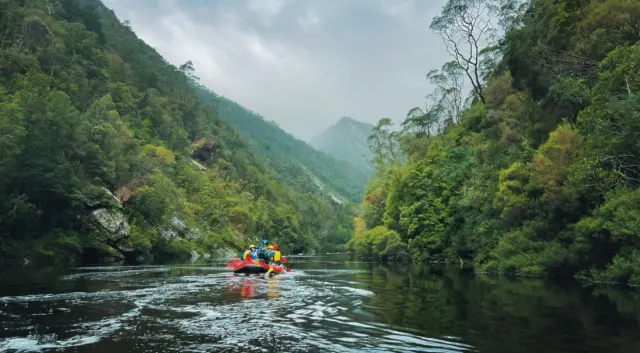
The writer has his own near-miss, on Tasmania's Overland Track. A side trip into an area called the Labyrinth — no map, no compass — turned into five lost hours, no water or food, and an underdressed night looming. A blind scramble down a rock face and a lucky guess at a mountain eventually led him back to a hut. A young woman disappeared in that same area months later; she has never been found.
The practical know-how is genuinely useful. A baseplate compass has a clear plate with a direction-of-travel arrow and ruler scales, plus a fluid-filled rotating bezel holding the red-tipped magnetic needle. To take a bearing: line the compass edge between where you are and where you want to go, rotate the bezel so its orienting lines match the map's north-south grid, read the bearing at the index line, then hold the compass flat, turn your body until the needle sits inside the red orienting arrow, and walk.
There are quirks to respect. Magnetic north, true north and grid north aren't the same thing, so you must apply the magnetic variation (declination) printed on your map — subtract if it's west, add if it's east. The magnetic pole itself keeps drifting, over 1,000km towards Siberia in the past century, so fresher maps mean more accurate figures. Compasses are also balanced for global zones; one bought in Australia won't perform properly in the UK, though Suunto's two-zone models and universal compasses solve that. Pair it with a current topographic map — Australian bushwalkers use 1:25,000 to 1:100,000 scales, with bigger scales showing more detail.
For anyone planning a walking holiday — Tasmania, the Alps, anywhere remote — the takeaway is simple. Pack a compass even for short walks, learn the basics before you go, and treat GPS as a bonus rather than a plan.