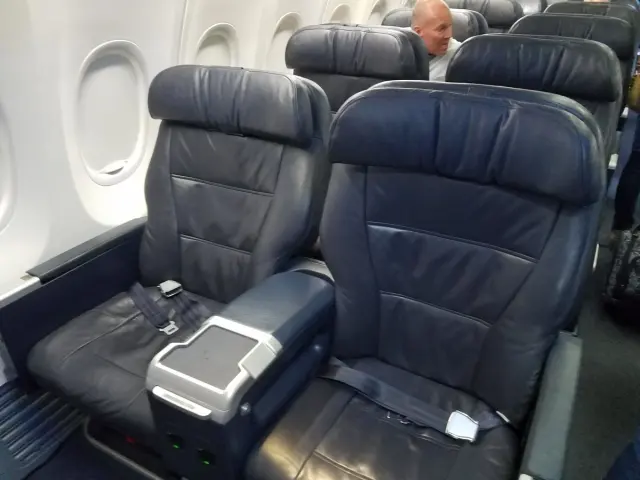
Retrofitting a fleet with new business class suites takes years — certification, engineering, and installation all move slowly. Refreshing what lands on your tray table takes months. That simple maths is why airlines are pouring energy into inflight dining, and specifically into partnerships with famous chefs, to win over the passengers who pay the highest fares.
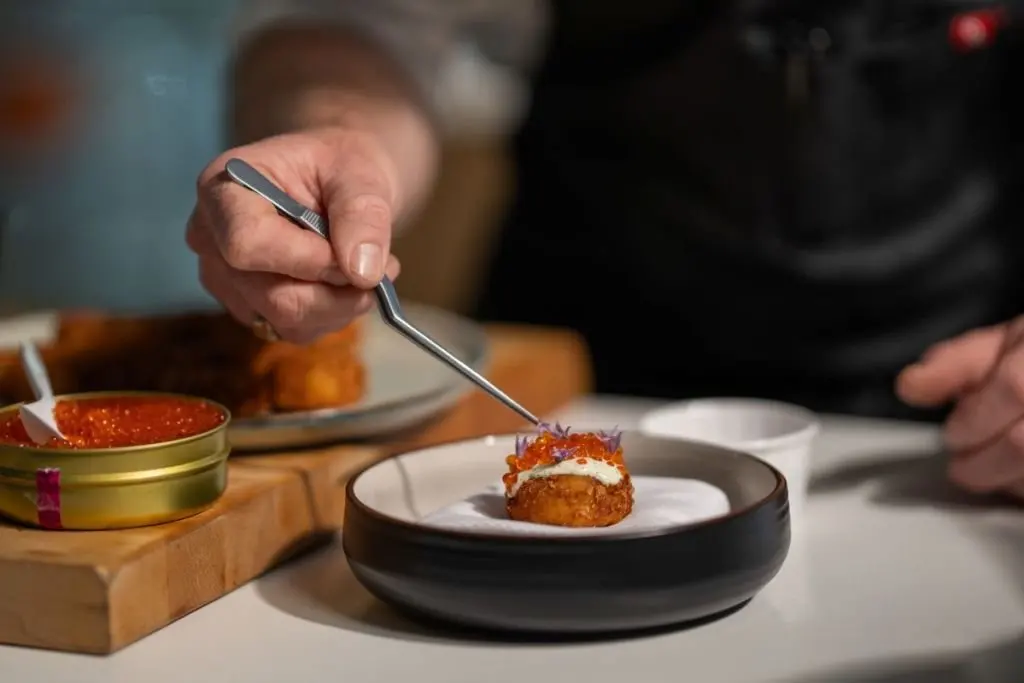
The logic, as reported by Skift, is that food has become one of the few places where a carrier can visibly differentiate its premium product without ordering a single new seat. Premium cabin hardware is expensive and slow to roll out, but a menu relaunch can generate headlines, press trips and social media buzz in a fraction of the time. Chef partnerships let airlines borrow established culinary reputations and translate them into an onboard experience that feels fresher than the aircraft itself.
None of this is entirely new. Singapore Airlines has run its Book the Cook programme since 1998, letting premium cabin passengers pre-order dishes curated by its International Culinary Panel of celebrated chefs before they fly. What has changed is how central these programmes have become. As business class seats across rival carriers converge on similar lie-flat designs, the meal service is one of the few remaining places where an airline can taste — literally — different from its competitors.
For travellers, this is more than marketing fluff. Chef-designed menus tend to mean better ingredients, regionally inspired dishes and more thoughtful vegetarian and health options, especially if you pre-order. programmes like Book the Cook reward a little planning: check the airline's website before your flight, pick your main in advance, and you'll eat noticeably better than whoever waited for the standard choice. If you're booking a long-haul premium cabin partly on the strength of the onboard experience, it's worth comparing carriers' dining partnerships alongside seat maps and lie-flat measurements.
The wider takeaway for anyone booking long-haul flights in the next couple of years: expect menus to change more often than cabins. Airlines that can't launch a new suite will launch a new tasting menu instead, and high-yield passengers are the target. For frequent flyers redeeming miles or splashing out on a special trip, that means the food gap between airlines is widening — sometimes more than the hardware gap. A five-year-old business class seat with a brilliant chef-designed dinner can beat a shiny new cabin with a forgettable one.