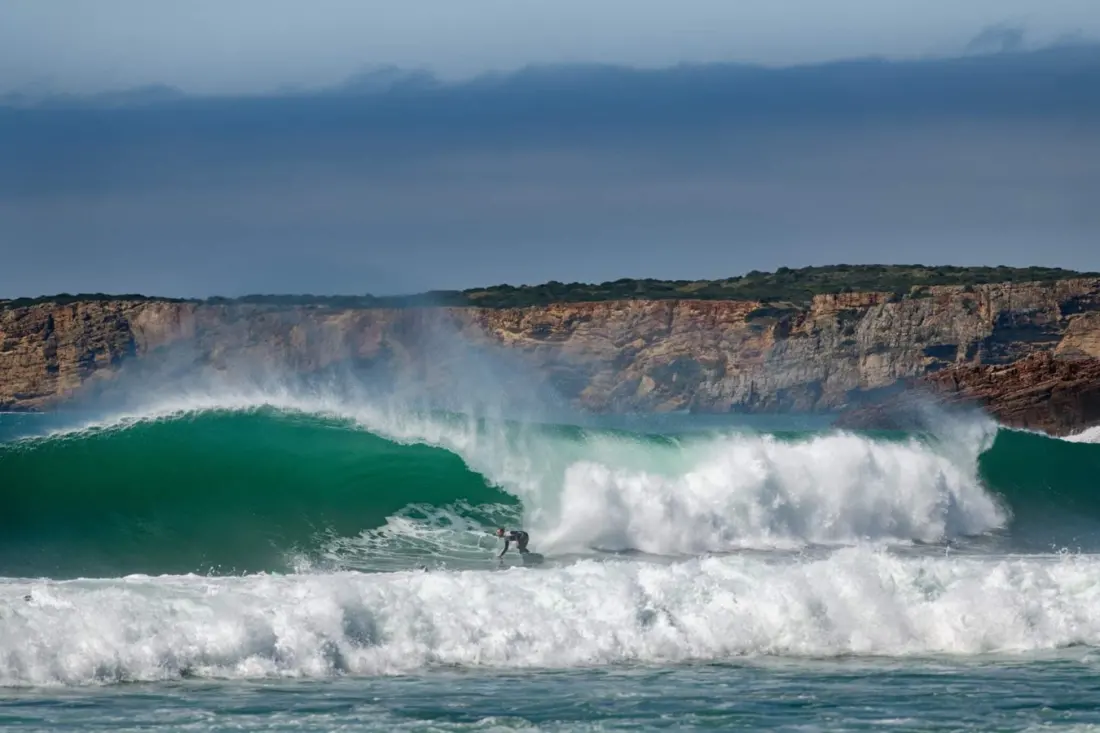
Sagres, the wild southwestern tip of the Algarve where the coast turns rugged and the Atlantic swells get serious, is launching a brand-new surf festival. The first Sagres Sessions runs from October 30 to November 1, organised by Algarve Surf Clube with backing from Vila do Bispo Council, Turismo do Algarve and Turismo de Portugal — and with clear ambitions to put the region back on the national and international surfing map.
Club president Sérgio Brandão is blunt about why the timing matters: the Algarve has drifted off the surfing stage in recent years, despite having coastlines well suited to wave sports. The plan is for Sagres Sessions to become the region's flagship surf event and, over the medium term, draw an international crowd.
The programme is broader than a standard surf contest. It opens at Praia da Mareta with adaptive and solidarity surfing sessions run with FisioRider and the ParaSurfing section of Portimão Surf Club, giving people with disabilities or facing social vulnerability the chance to get in the water, with beach clean-ups alongside.
Culture gets a look-in too. On the Friday, the Pavilhão Multiusos Clésio Ricardo hosts the premiere of Uma História do Surf… do Havaí para Portugal, a theatre piece by Chiara Vighetto following surfing from its Polynesian origins to its arrival in Portugal, with a nod to the Algarve's pioneering surf community. The same venue holds a photography and art exhibition of local artists, while Mandala Sagres offers free yoga, wellness and workshop sessions across the three days.
Evenings are for music and food: free concerts in central Sagres on Friday and Saturday, with LANA GASPARØTTI on the bill, musicians from Portimão's School of Rock, a jam session and local DJs. A market of regional brands and produce sits alongside food trucks and a bar.
The sporting core is the Algarve Cup powered by Visit Algarve, an inter-club contest with titles for Under-12, Under-16 and Open categories, men's and women's, plus a trophy for the best-performing Algarve club overall.
Practically speaking, most of the festival is free. The catch is that places are limited for several activities and you must register in advance through the festival website. Surfers who want to enter the Algarve Cup and aren't members of Algarve Surf Clube pay €15.
For travellers, this is a good excuse to see the Algarve out of season. Late October and November in Sagres means quieter towns, cheaper beds, and some of the most reliable swell in Portugal — the area around Sagres and the nearby Costa Vicentina is a favourite with surfers long after the summer beach crowds have gone home. Add in live music, local food and a wellness programme, and it works as a low-key autumn break whether or not you own a board. If you do surf competitively, registration is the first step; if you'd rather watch, the cup and the free concerts need nothing more than turning up. Portugal Resident