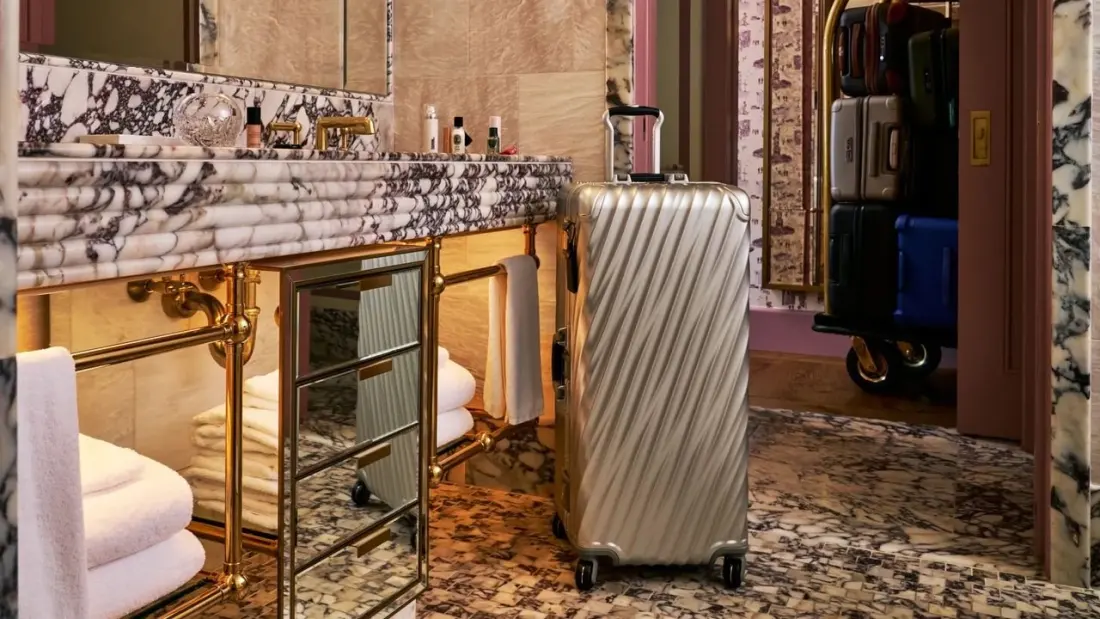
Rolling a polished metal case through an airport terminal is a small flex — it gleams among rows of identical black spinners. But according to a recent gear roundup from Condé Nast Traveler, the appeal of aluminium luggage goes well beyond looks, and their editors spent months putting the market's leading metal cases through real trips to prove it.
The case for aluminium is practical as much as aesthetic. The material is the same stuff used to build aircraft, and it shows: a rigid, crush-proof shell absorbs bumps, drops and baggage-handler abuse far better than polycarbonate or soft-shell bags. Instead of zippers — the most common failure point on any suitcase — aluminium cases use latch locking systems that create a tight, water-resistant seal and are much harder to break into. Steel-reinforced corners and full frames add further armour for fragile contents.
There's a character element too. Rather than tearing or cracking over time, a well-used aluminium case develops a patina: dents and scratches that read as a travel history rather than damage. Buyers are effectively choosing a bag built to last decades, which helps justify what is undeniably a serious outlay — these cases cost several times more than perfectly good hard-shell alternatives.
The Condé Nast testing process was suitably thorough. Editors and contributors took shortlisted cases on everything from long weekends in Milan and Mallorca to three-week international itineraries, scoring them on wheel smoothness, internal compression systems, weight-to-capacity ratios and overall toughness. Each bag was also assessed in-office first, with checks on build quality, TSA-approved locks, external pockets, laptop compartments, weight and general usability.
The standout names in the category are familiar: Rimowa, the German brand that essentially invented the grooved aluminium suitcase, leads the pack for iconic status, while Tumi offers sleeker trunk-style options. The piece frames its picks by trip type, recognising that the right case for a city break differs from one built for a multi-week expedition.
So who should actually buy one? Frequent flyers who check bags regularly will get the most value — the protection and latch security pay off most when your case lives in cargo holds. Occasional holidaymakers can honestly stick with a good polycarbonate bag at a fraction of the price, as the article itself concedes. But if you travel constantly and want gear that lasts a lifetime while looking sharp doing it, aluminium is the category worth the splurge.