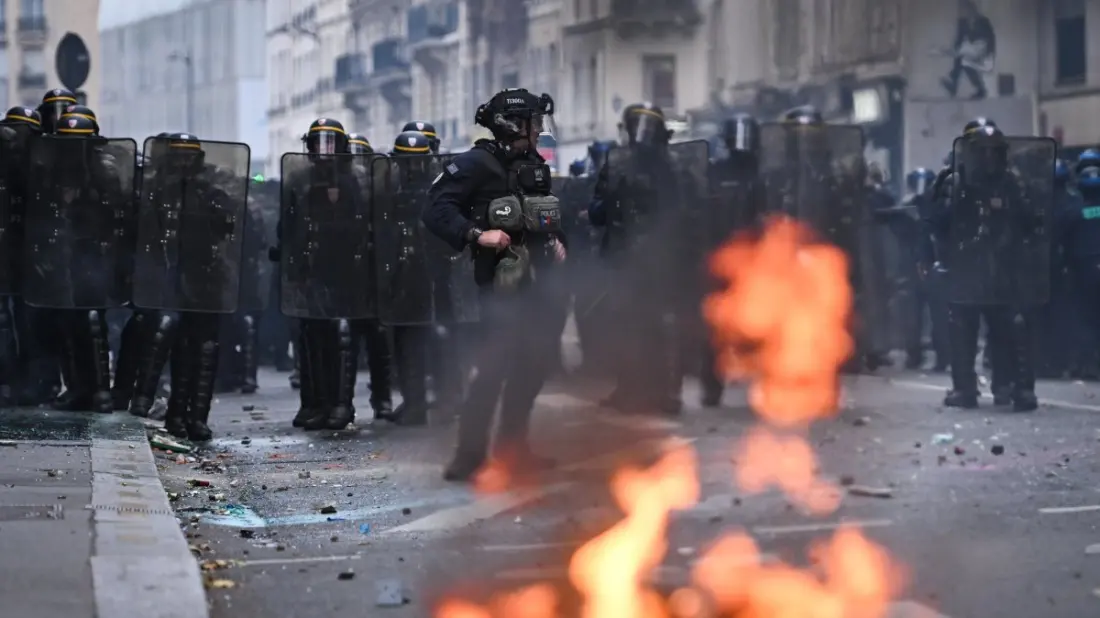
Student strikes in France and housing protests in Spain are the latest signs of a continent under political strain. An opinion piece in Daily Sabah argues that this anger is no passing mood — and that the way European governments respond may matter to travellers as much as to voters.
The immediate triggers are concrete: high-school and university students have been demonstrating across France, while Spain saw protests after an elderly woman was evicted during a deepening housing crisis. Far-right figures, including Marine Le Pen, have used the French unrest to call for expanded police powers. The author's wider point is that anti-establishment parties are now stronger than they were a decade ago, and that the establishment's habit of co-opting their hardline policies — especially on migration — has fuelled rather than defused the tension.
Beyond domestic politics, the piece points to two structural pressures. Economically, Europe has lost ground to rivals since the 1990s, and the costs of healthcare, education, housing and pensions keep climbing while governments debate 'Made in Europe' industrial policies and protectionist barriers. Geopolitically, the war in Ukraine is draining budgets into defence, with little left to address middle-class grievances. Slogans like 'Make Europe Great Again' — a European variant of the American version — promote, in the author's view, an illiberal agenda rather than real redistribution.
What does this mean for someone booking a European city break? Practically, not much changes day to day: protests in France and Spain are usually localised, announced in advance and generally peaceful, though transport strikes can disrupt trains and airports. But the underlying issues do touch travel. Housing crises in cities like Barcelona and Madrid have fed into debates about tourist rentals and short-term lets, which can mean tighter rules, capped permits or higher accommodation taxes in popular destinations. Stricter migration policies across the EU may eventually shape border checks and visa processes, including for the forthcoming ETIAS authorisation system.
The deeper takeaway is that the Europe you visit in the next few years may feel politically livelier than the one you remember. Expect visible security around government buildings during major demonstrations, occasional transport disruption, and more heated local conversations about tourism's footprint in over-visited neighbourhoods. None of this should put anyone off — Europe remains one of the easiest and most rewarding places to travel — but checking local news before you go is now as useful as checking the weather. A little awareness helps you avoid the march that closes a metro line and, perhaps, understand why the locals in that atmospheric old town feel priced out of it.
For now, the advice is simple: keep plans flexible, follow your country's travel advisories, and treat protests as something to observe from a respectful distance rather than something to route around in panic. Europe's politics of anger is real, but the cafes, museums and coastlines are still very much open.
Analysis via Daily Sabah Travel.