Palma in mid-September surprised our source writer with 27°C heat — and by November the island still averages around 18°C. With more than 300 days of sunshine a year, Mallorca has quietly become a year-round destination rather than a summer-only one, drawing over 13 million visitors annually to the largest of the Balearic islands, 125 miles off Spain's eastern coast.
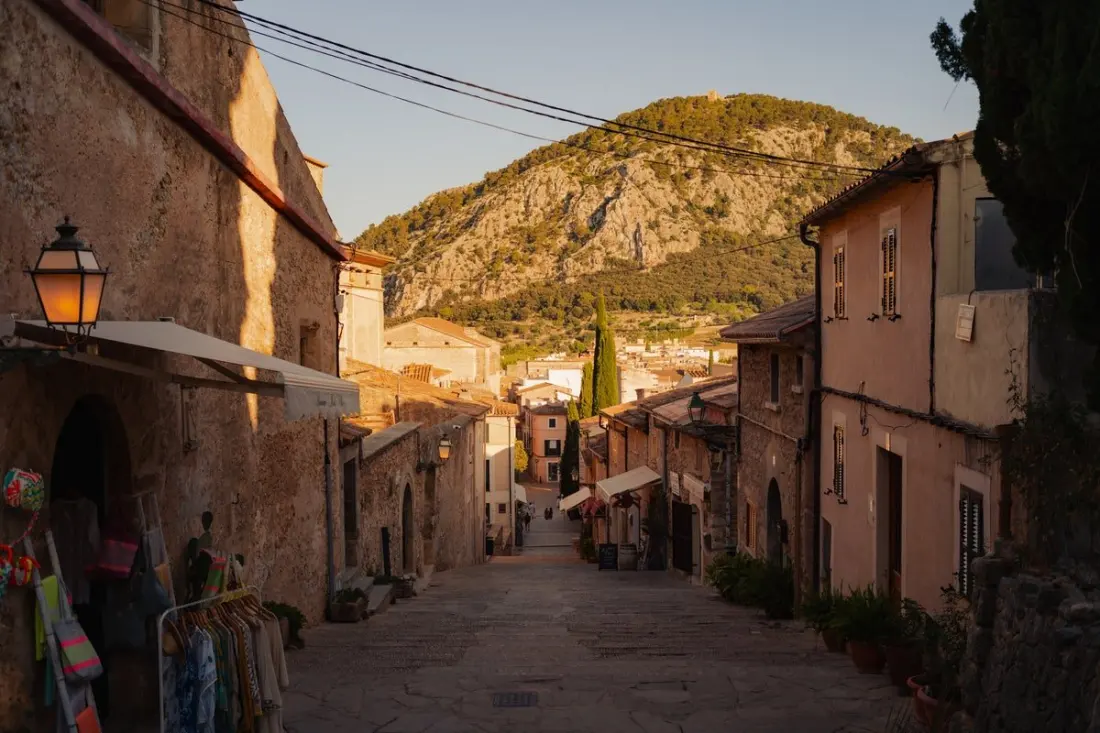
The capital rewards slow exploration. Nearly half the island's one million residents live in Palma, where a walking tour of the old town reveals centuries of Roman, Gothic and Baroque architecture sitting alongside boutiques and galleries. Local guides like Lorena Torres point out how the grand old houses were once stratified by social class, with nobility occupying the principal floors. Dominating the waterfront is La Seu, the Gothic Cathedral of Santa Maria — started in the 13th century and took 372 years to build, on the site of a former mosque, with Christian, Jewish and Islamic influences woven through it. Its vast stained-glass rose window is a highlight. If timing works out, Palma's Nit de l'Art festival sees galleries throw open their doors and performances spill onto the streets.
For lunch, Celler Sa Premsa is a local favourite known for its paella. Outside the capital, the Cuevas del Drach near Porto Cristo are the island's standout natural attraction: illuminated limestone chambers leading to Lake Martel, one of the world's largest underground lakes, where musicians perform classical concerts from boats in the dark. It's touristy, but genuinely memorable.
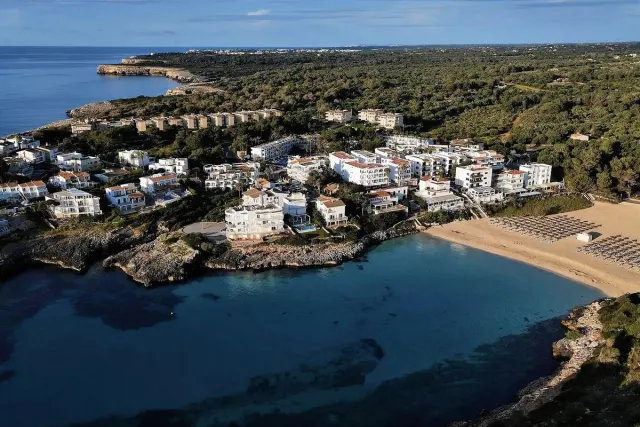
For a quieter base, the south-east coast fishing town of Portocolom offers a picturesque harbour, waterfront restaurants and coastal walking paths — sunset dinner at Kaikuana Beach Restaurant comes recommended. The recently refurbished Wyndham Portocolom reopened in April 2026, 150 metres from Cala Marçal Beach, mixing self-catering apartments with hotel perks like a pool and gym. Seven-night rates start from €720 for up to six people, which works out remarkably cheap per head for a group trip in the shoulder season.
Why it matters: autumn visits mean fewer crowds, lower prices and warm-enough weather for beach days mixed with sightseeing. If your image of Mallorca stops at package resorts, the off-season is when the island's history, food and calmer rhythms get room to breathe.