Ask pilots who have flown both Boeing and Airbus narrowbodies, and the chat rarely stays on range or passenger numbers. It turns to feel: what the 737 does with their hands, ears and even knees. Despite updates stretching back to the late 1960s — including the thoroughly modern MAX flight deck — the 737 keeps quirks that have all but vanished from commercial aviation, and pilots have strong opinions about each one.
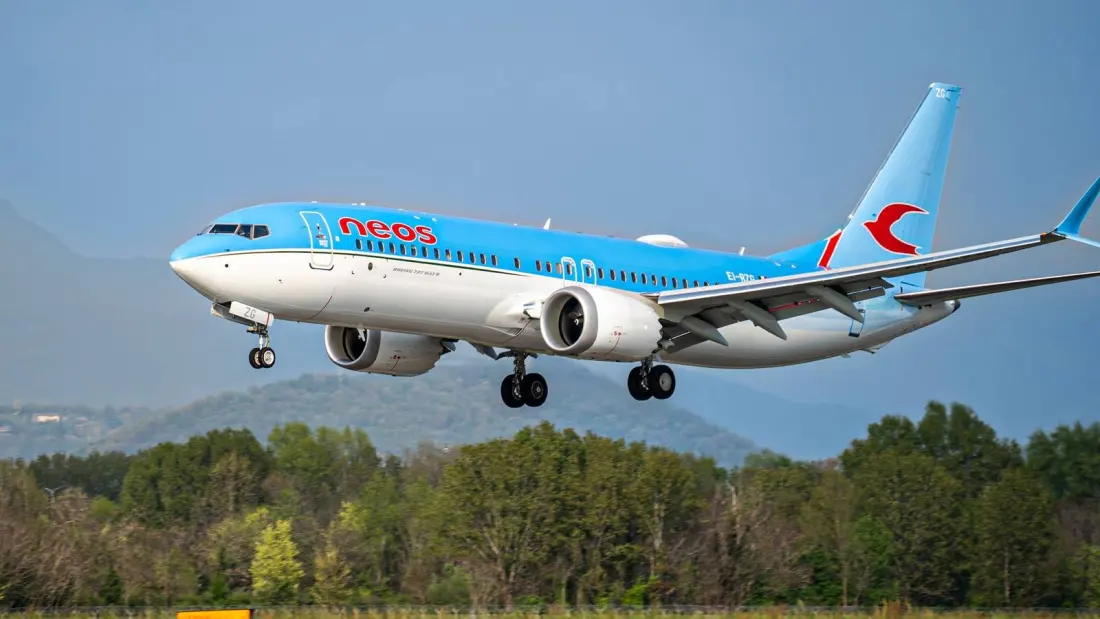
Start before the engines even run: the aircraft sits unusually low to the ground. Unlike most modern jets, its main landing gear has no doors — the wheels stay partly exposed after retraction, hubs and rubber seals visible to anyone who knows where to look. That low stance was deliberate, built for smaller airports where baggage handlers and mechanics could reach holds and engines without extra lifting gear. The trade-off? It limited later redesigns: raising the airframe turned out to be far more than cosmetic work, which shaped how the MAX ended up evolving.
In the cockpit, manual involvement continues. Pitch trim needs more hands-on attention than on newer types, since settings change through every climb, descent and configuration shift. Some pilots relish that involvement; one former 737 Classic pilot described the annoyance of disconnecting the autopilot on approach and finding the aircraft badly trimmed — exactly when you don't want surprises. Meanwhile the autothrottle doesn't hide its work: it physically drives the thrust levers forward and back as thrust demands change, so crews can see and feel what automation is doing. That continuity carries across generations too — NG-to-MAX pilots keep the same yoke and throttle quadrant despite new displays.
The most iconic feature sits beside each pilot's knees: two large stabiliser trim wheels that spin audibly as the trim system works, whirring away during climbs and configuration changes. Crucially, pilots can grab them and set trim by hand, overriding electric trim or the autopilot — something you won't find on modern fly-by-wire jets. Home simulator builders spend serious effort reproducing them.
And the biggest reason all of this survives: manual reversion. If both main hydraulic systems failed, cable connections still let pilots control the ailerons and elevators. The aircraft won't fly normally — pilots compare it to driving without power steering — but the crew retains a way to bring it down safely. That mechanical backup underpins the whole design philosophy, and it's why features like the trim wheels still exist at all.
Why should a traveller care? If you're flying a short-haul route in Europe, Asia or the Americas, there's a decent chance it's on a 737. Knowing that the jet up front is flown with more physical, hands-on engagement than most modern airliners adds a little texture to the trip — and it explains why Boeing versus Airbus is the most enduring argument in aviation. The two manufacturers build planes around genuinely different control philosophies, so different that pilots need a full type rating to move between fleets, as Qantas crews transitioning from the 737 to the A321XLR discover when they leave the yoke behind for a sidestick. Neither approach is better; they're just different ideas about how much a machine should tell you, show you, and let you grab.