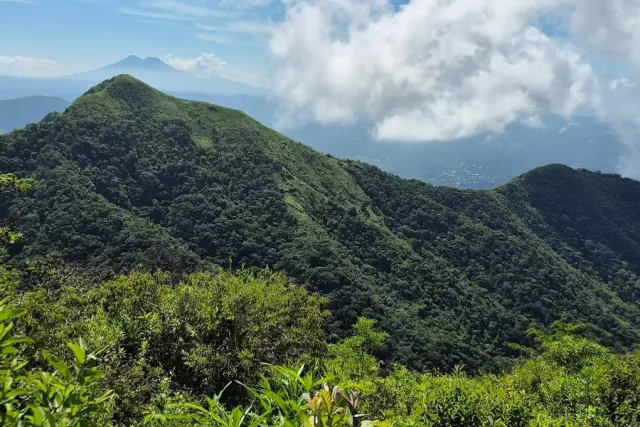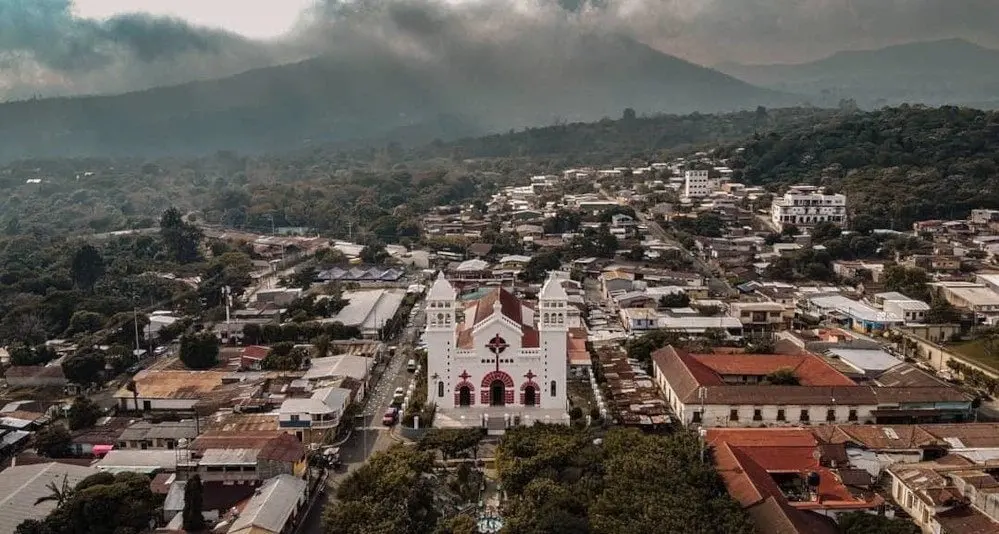
Eighty kilometres west of San Salvador, the small town of Juayúa packs more into a weekend than most capital-city districts manage in a month. Set in the coffee-covered hills of the Sonsonate department, it's one of the star stops on the Ruta de las Flores, the scenic route linking mountain towns like Ataco, Apaneca, Nahuizalco and Salcoatitán.
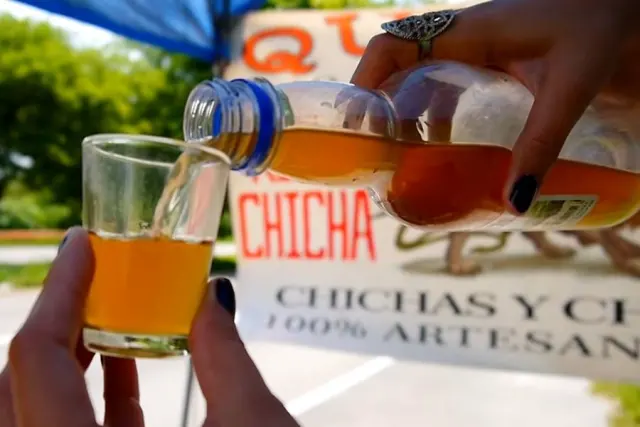
The big draw is the weekend food festival. Every Saturday and Sunday, vendors set up around the town centre to serve pupusas, yuca frita, tamales, grilled meats, seafood and traditional sweets. It's lively without losing the small-town feel, and it puts money directly into local family kitchens. If you time your visit right, the festival alone is worth the drive — but plan around it, because weekdays are far quieter.
Beyond the food, Juayúa rewards slow exploration. The compact centre is easy to walk, with a central plaza, the Santa Lucía Church (home to the revered Black Christ of Juayúa, celebrated each January with processions and festivals) and murals painted by local artists. Handicraft shops sell work from local makers, and cafés around the park are good spots to watch daily life go by.
Nature lovers should head for Los Chorros de la Calera, a waterfall where water spills over rocks into clear pools surrounded by tropical vegetation. The trail is uneven and can get slippery after rain, so it's worth hiring a local guide and checking conditions first. The surrounding hills are laced with coffee farms, and several offer guided tours covering the whole process from harvest to cup — availability varies by season and operator, so ask ahead.
The name Juayúa is usually traced to the Indigenous Nahuat language, often translated as a place of purple orchids. The town's past is complex: coffee transformed the regional economy, and western El Salvador carries the heavy memory of the 1932 peasant and Indigenous uprising and its violent suppression. For travellers interested in more than scenery, that history gives the region real depth.
Practicalities are simple. From San Salvador, it's roughly 90 minutes to two hours by car, typically via Sonsonate before climbing into the mountains — winding roads, great views, attentive driving required. Buses run to Sonsonate, where regional services continue to Juayúa and neighbouring towns. Renting a car or booking private transport makes it easier to hop between Ruta de las Flores towns, viewpoints and coffee farms.
Timing matters. The dry season (November to April) brings clearer skies and more reliable trail conditions; the rainy season (May to October) turns everything green but can leave paths muddy. Mountain mornings are cool, so pack a light jacket, and bring cash — food stalls and small shops often don't take cards. Accommodation ranges from central guesthouses to quiet countryside stays near the plantations; book ahead around Easter and major festivals.
Juayúa works as a day trip, but staying overnight gives you flexibility for waterfalls, coffee tours and neighbouring towns without rushing. For anyone building an El Salvador itinerary around food, mountains and culture, it's the natural base camp for the Ruta de las Flores.