The Black Sea has quietly become one of the most strategically important bodies of water in the world, and a new opinion piece by retired Turkish ambassador Nazif Murat Ersavcı in Daily Sabah argues that Türkiye is the country best placed to decide what the region looks like after the war in Ukraine.
Since Russia's full-scale invasion on 24 February 2022, the sea has turned into a arena where military power, commercial shipping, energy routes and food supplies all collide. Ersavcı's central point is that Türkiye holds a hand of cards nobody else can match: it controls the Turkish Straits under the 1936 Montreux Convention, belongs to NATO, and still keeps working diplomatic and economic channels open with both Moscow and Kyiv.
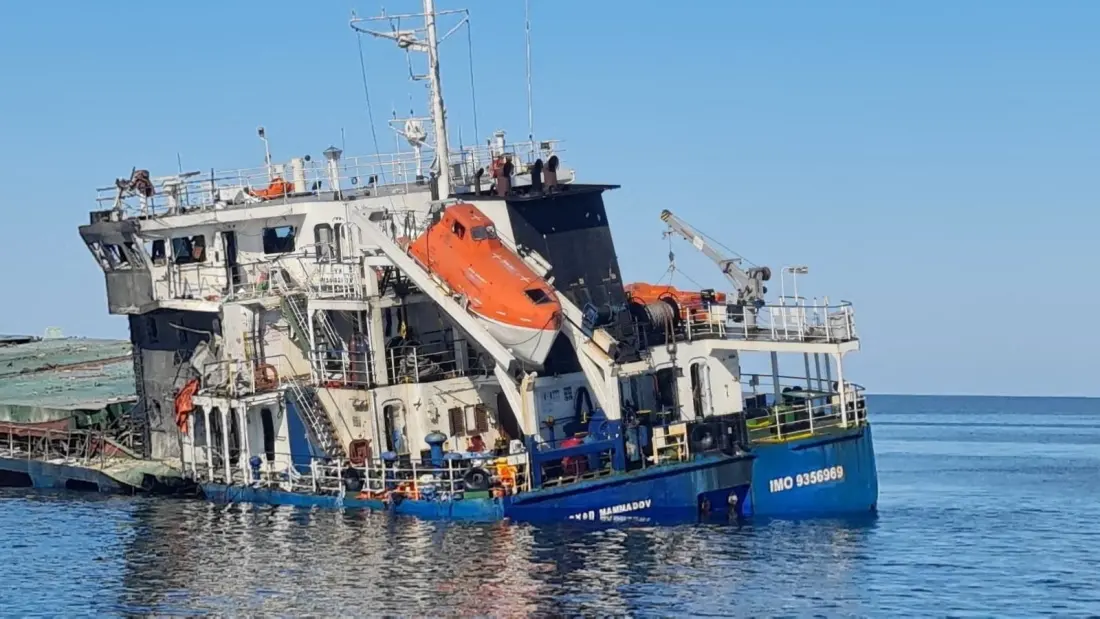
Some of the concrete shifts the piece highlights are striking. Ukraine has shown that cheap unmanned surface vessels, drones and satellite reconnaissance can challenge a far bigger navy – a genuine change in how naval power works. In 2025, attacks on the tankers Kairos and Virat, reportedly linked to Russia's "shadow fleet", happened inside Türkiye's own exclusive economic zone, pulling the war practically to Turkish waters. Meanwhile, the Black Sea Grain Initiative, before it ended in July 2023, had moved around 33 million tons of agricultural products to world markets, underlining how regional fighting translates directly into global food prices.
Türkiye's response has been a careful balancing act: backing Ukraine's territorial integrity without joining the conflict, while implementing Montreux to restrict warship movements by both warring sides and outside powers. The convention marked its 90th anniversary in 2026, and Ersavcı argues it should be built upon, not replaced. He also points to the Black Sea Mine Countermeasures Task Group – set up by Türkiye, Romania and Bulgaria and activated under Turkish command in June 2026 – as proof that practical regional cooperation is still possible.
His wider argument is that the postwar Black Sea needs a durable maritime security framework covering commercial navigation, mine clearance, unmanned systems and underwater infrastructure like cables and pipelines. Whether the region ends up permanently militarised or predictably managed, he writes, will be decided in large part by Ankara – a country that, in his view, can no longer afford to be a spectator.
Why should a traveller care? Because this sea borders some of the region's most popular holiday stretches – the Turkish coast around Sinop and Trabzon, Georgia's Batumi, Romania's Constanta and Bulgaria's Golden Sands – and shipping routes, port disruptions and regional tensions can affect ferry links, cruise itineraries and insurance costs around the Black Sea. How the security order settles will shape how easily these coasts reconnect with each other in the years ahead.