
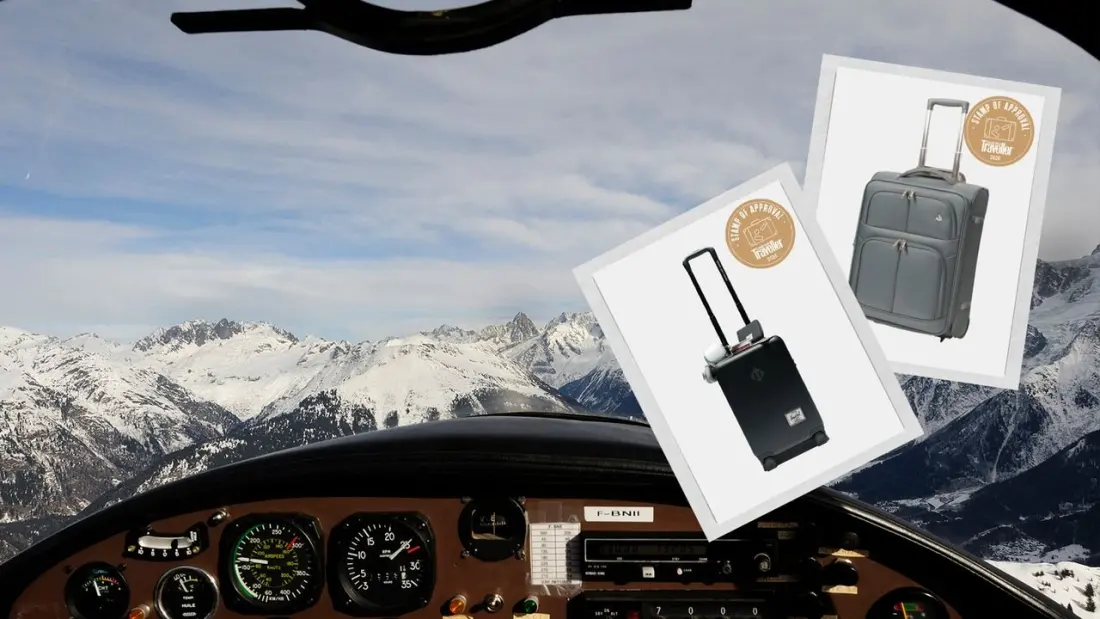
There's a quiet arms race happening in luggage: brands shaving grams off their cases so travellers can pack more without paying for it at the gate. Condé Nast Traveller UK has just refreshed its guide to the best lightweight suitcases for 2026, drawing on years of testing nearly 100 cases across real flights and rail trips. The benchmark they set is strict: only carry-ons under 3kg and checked bags under 5kg made the cut.
The logic is simple maths. Every gram built into the shell of your suitcase is a gram stripped from what you can actually pack. On long-haul itineraries with multiple legs, that matters even more — a heavy case can eat your allowance before you've added a single souvenir, jumper or pair of boots.
The good news from the testing: lightweight doesn't mean flimsy. The editors evaluated shell durability, how smoothly 360-degree spinner wheels roll, lock security, and interior extras like zip dividers and laptop sleeves, alongside empty weight and handling. Commerce writers Charley Ward and Lauren Burvill ran initial hands-on assessments in the office before the wider editorial team put cases through real-world travel.
The guide also lays out how wildly airline rules differ — and this is where most travellers get caught out. British Airways is generous, allowing a personal item plus a cabin bag up to 23kg each. EasyJet gives you 15kg for a cabin bag, though the large bag costs extra beyond the free under-seat option. Ryanair's free allowance is just a small personal bag of 40 x 20 x 25cm, with the bigger case reserved for Priority bookings and capped at 10kg. Meanwhile Singapore Airlines and Emirates stick to a combined 7kg limit for cabin luggage.
For size, most standard cabin cases measure around 55 x 35 x 25cm, which fits the overhead bins of most major carriers. Carry-on weight limits generally run between 7kg and 15kg, averaging around 8kg globally.
Two practical takeaways worth acting on. First, if you travel mostly on full-service carriers, weight matters more than squeezing dimensions; if you fly budget, the under-seat personal item is your free real estate — packed well, it can cover a weekend trip entirely on its own. Second, a portable luggage scale costs a few pounds and routinely saves travellers from gate-side excess baggage fees, which can dwarf the price of the case itself.
Who is this for? Anyone who's ever stood anxiously on a bathroom scale holding a suitcase, or repacked shoes at the check-in desk. Over-packers, long-haul flyers juggling connecting flights, and budget airline regulars all have the most to gain from going light. The full guide includes companion round-ups covering hard shells, soft-sided cases, under-seat bags and full luggage sets, so it's a decent starting point whether you're replacing one case or the whole collection.