Mursko Središće, a small town in northern Croatia close to the Slovenian border, has rolled out a digital grave-finding service just in time for the country's busiest cemetery week of the year. Scan a QR code at the gate, type in a name, and the system shows you exactly where that grave sits on a map of the cemetery.
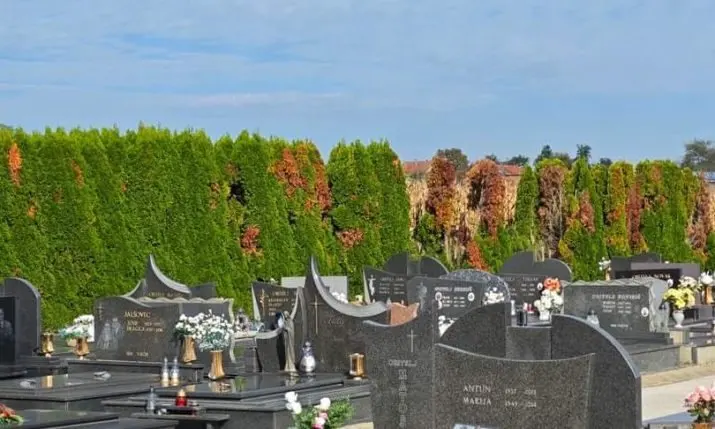
The service covers all three burial grounds in the municipality: the main town cemetery, which holds roughly 1,000 plots, plus the smaller cemeteries in Peklenica and Križovec, which together add another 500 or so. Every grave has been photographed and the records updated, drawing on around 50 years of available data. Building the database took about two months.
The timing is no accident. All Saints' Day on 1 November is a public holiday in Croatia, and in the days around it families flock to cemeteries to tidy graves and light candles — a tradition comparable to Mexico's Día de los Muertos in its emotional pull. Anyone returning to a hometown after years away, or trying to find the resting place of an ancestor they never met, knows how needle-in-a-haystack that search can be among a thousand headstones.
The project was run by the municipal company Murs-ekom, whose director Josip Sršan pointed to the value of having current information and photographs available digitally. The whole thing cost €10,000, funded from the town budget, and it's free for anyone to use — residents and visitors alike.
For travellers, this is a quietly useful development. Roots tourism — people tracing family origins in Central and Southeastern Europe — keeps growing, and Croatia's diaspora is large, especially in Australia, Canada, the US and neighbouring countries. If your family comes from the Međimurje region, a tool like this can turn a frustrating afternoon of wandering rows into a five-minute search and a meaningful visit. It's easy to imagine other small Croatian towns copying the idea, since the price tag is modest and the payoff for visitors is obvious.
It also reframes cemeteries as travel destinations in their own right. Around All Saints' Day, Croatian cemeteries glow with thousands of candles after dark, and the atmosphere is more contemplative than sombre — worth experiencing if you're in the country in early November. Mursko Središće itself sits in Međimurje, a green corner of the country known for its spa towns, vineyards and the nearby resort area around Sveti Martin na Muri, so a family-history stop can easily fold into a broader trip.
The town hasn't announced plans beyond its three cemeteries, but as a low-cost template for diaspora-friendly services, this is one to watch — and to use, if you happen to be hunting for a Croatian grave this November.