A German aerospace research centre wants to put wood back on cruise ships — not as a full wooden hull, but as a lightweight material in smart spots around the vessel. The German Aerospace Center (DLR) won the sustainability category at the AIDA Innovation Hub in Rostock on September 16 with a project called WoodShip, and it could shape what future AIDA ships are made of.
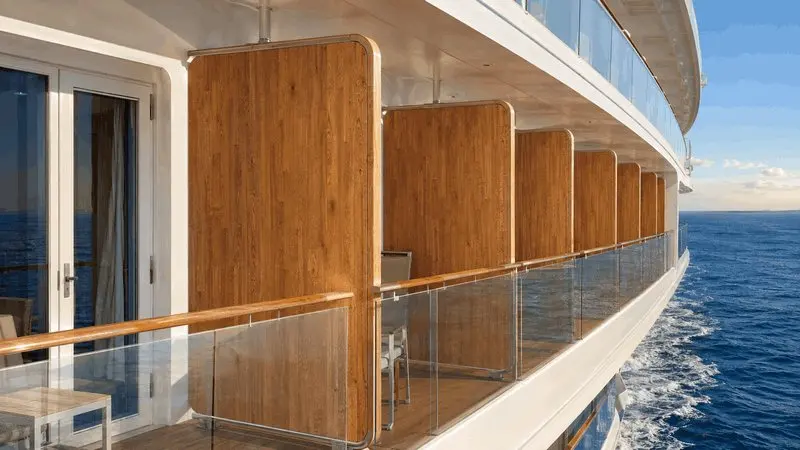
The idea is modest at first: privacy screens, cladding and parts of balcony areas on the exterior of the ship. These components are only semi-load-bearing, face less structural stress and are easier to repair, making them a sensible testing ground. DLR's numbers explain the appeal. Steel runs about 7,800 kilograms per cubic metre, beech around 700, and lighter woods like albasia just 250 to 400. Based on its rail vehicle work, the team reckons the approach could cut weight by around 30 percent — and on upper decks especially, that translates into lower fuel consumption and fewer emissions.
Fire is the obvious objection, and DLR knows it. Historically, timber was kept out of shipbuilding for exactly that reason. But the institute points to two proofs of concept: its wood-based materials already meet Europe's tough railway fire standard, DIN/EN 45545, and multi-storey timber buildings have solved comparable problems for years. In a demonstrator, impregnated beech plywood combined with metal or plastic cladding hit the required hazard levels. Ships follow their own rulebook, though — so the next steps are fire tests on actual ship components, adapted certification guidelines, and sign-off from classification societies. A dedicated fire laboratory is expected to open in early 2027 to test timber parts under realistic conditions.
As for AIDA, the cruise line hasn't committed to anything. The winners can develop the idea in an implementation study or trial it as a pilot project onboard the fleet — steps that will show whether wood is technically and economically viable at sea. DLR's Dr. Elmar Beeh, whose Stuttgart-based department specialises in lightweight construction and renewable materials, wants to see WoodShip out of the lab and in series production within five years, with real operating data from everyday ship life. If it works, the components could be adapted for other vessels too.
Why should a holidaymaker care? The cruise industry is under real pressure to clean up its emissions record, and lighter ships are one genuine route to burning less fuel. If timber parts eventually appear on AIDA vessels — one of the brands popular with German and European cruisers — passengers probably won't notice much beyond the balcony, but the environmental footprint could quietly improve. It's also a nice reminder that the materials of cruising are evolving, and that a material shipbuilders abandoned centuries ago might find a modern second life a few decks up.
Cruise Industry News