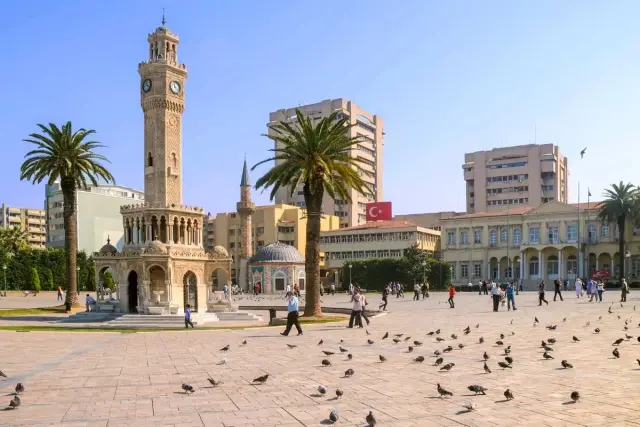
A climate summit is coming to one of Turkey's most popular holiday regions. COP31, the United Nations climate conference, runs in Antalya from November 9-20, and a new column in Daily Sabah uses the moment to ask an uncomfortable question: when we picture a better life, why do we almost never picture a better planet?
The piece, by İlknaz Lauren Bektaş, starts from fiction — Ursula K. Le Guin's short story "The Ones Who Walk Away from Omelas" and the Fallout TV series, both about perfect-seeming worlds hiding a rot underneath. Asked to describe their own utopias, most people she spoke to imagined personal upgrades: more money, more comfort, someone else handling the logistics. Her own fantasy, she admits, was just a better seat inside the existing economic system, not a different one.
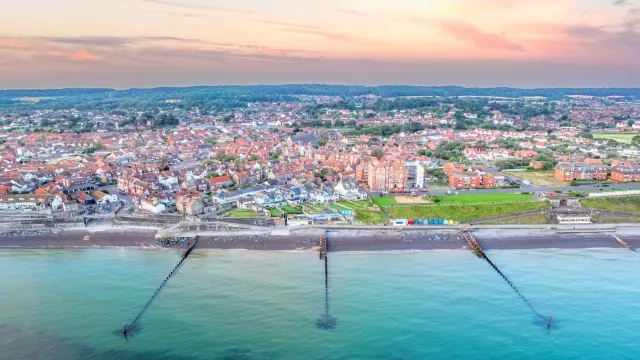
Climate change is the thing that breaks that framing, because it can't be solved at the level of personal comfort. The column points out how abstract the headline number has become — most of us can recite "1.5 degrees Celsius" without being able to picture it. The concrete stakes are stark. At 1.5 degrees of warming above preindustrial levels, the IPCC projects warm-water coral reefs could decline by a further 70 to 90 percent. At 2 degrees, the projected loss passes 99 percent. And the Mediterranean, the sea that Antalya's whole tourism economy depends on, is already warming faster than the global average, bringing longer heat waves and mounting pressure on water supplies.
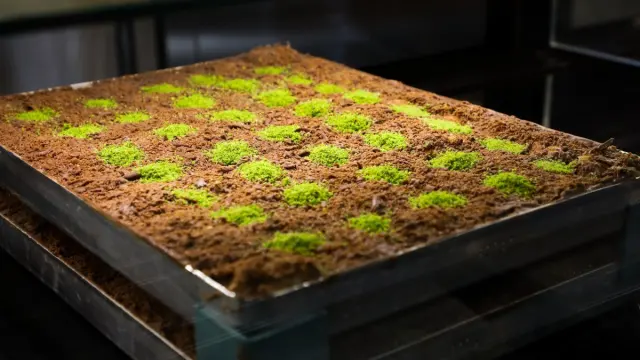
The column's second thread is a small counterpoint to all that doom: an exhibition called "Wetland" by artist Jakob Kudsk Steensen at the Museum of Modern Art in New York. For the work on show, Berl-Berl, Steensen spent weeks walking the wetlands around Berlin, building a virtual version in a video game engine. The detail that stuck with the author: turning over one stone, he found a tiny worm that had just laid eggs — something a biologist beside him spotted and he would have missed. He scanned the eggs and rendered them as enormous spheres drifting through his digital wetland. His point, quoted via the museum: fieldwork surfaces things you would never think to ask an AI prompt for. You have to physically turn the stone, and often someone else's trained eye has to tell you what you're looking at.
Why should a traveller care? Because the two threads connect. The places we love to visit — reef-lined coastlines, a cool Mediterranean summer — are exactly what the numbers being negotiated in Antalya refer to. And the Berlin worm is a reminder that the most interesting travel experiences are the unscripted ones: going slowly, looking under things, being guided by people who know a place intimately. A utopia built only on personal comfort misses both the fragility of the destinations we love and the quiet discoveries that make travel worth doing in the first place. The column's quiet conclusion: before imagining where we'd fit into an ideal world, it might be worth noticing what's living beneath our feet in this one.
Original column via Daily Sabah Travel.