We've all been there: a big dinner, then a losing battle with the sofa by the second half of the movie. That heavy, sleepy feeling has a proper name — postprandial somnolence, better known as a food coma — and a board-certified internal medicine doctor writing for Outside Online says a simple post-meal walk can fight it while setting you up for better sleep.
First, the science behind the slump. It's not, despite the old family wisdom, your stomach stealing blood from your brain. Digestion does pull extra blood to the gut, but the brain protects its own supply. Instead, researchers think drowsiness builds from several sources at once: your internal clock naturally dips in the early afternoon, sleep debt from the night before makes it worse, and a glass or two of wine doesn't help. In mice, signals from a full gut travel up the vagus nerve and activate calming brain cells — whether the same happens in humans is still unclear.
So what does walking actually do? The best-documented benefit is blood sugar control. Moving right after a meal blunts the post-dinner glucose spike better than sitting or even exercising beforehand, and the sooner you start, the bigger the effect. That matters for sleep too: studies have linked larger glucose swings to lighter, less efficient sleep, more tossing and turning, and earlier waking.
The sleep payoff from walking itself is real but modest. A 2026 meta-analysis found walking increased total sleep time and reduced wakefulness at night, though it didn't help people fall asleep faster — and most trials tested daytime walking, not evening strolls. Sessions of 30 minutes or more showed the clearest improvement in how rested people felt. Exercise also acts as a zeitgeber — a cue that helps set your body clock — so regular moderate activity strengthens daily rhythms overall.
Timing is the one catch. Tracker data from nearly 15,000 people showed light or moderate exercise ending about two hours before bed caused no sleep problems, but hard evening workouts did. Eating dinner earlier gives you both a walk window and a longer gap before lights out, which large population studies link to better sleep. Walk at sunset and you get a bonus: the dimming, less blue evening light signals your brain's master clock to start releasing melatonin.
The doctor's practical formula: start within 30 minutes of finishing dinner, keep the pace gentle so your nervous system can wind down, and match the length to your goal — 15 to 20 minutes for blood sugar benefits, or 30-plus minutes at a conversational pace for sleep. And don't sit down until you're back.
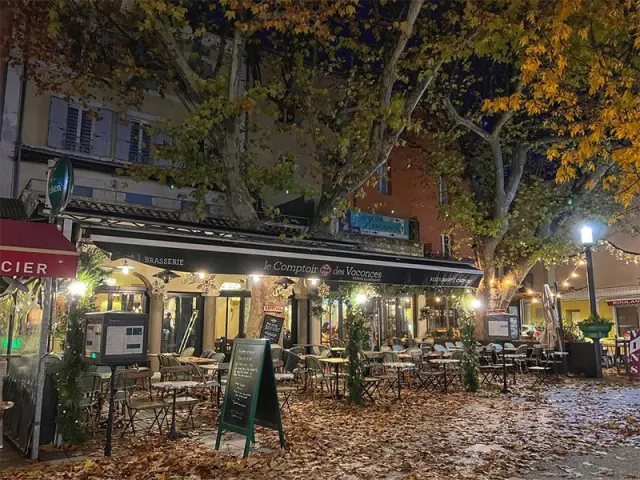
Why should travellers care? Holiday routines are exactly when this falls apart: late restaurant bookings, richer food than usual, wine at dinner, then straight to bed. A post-dinner stroll fixes several problems at once — it aids digestion, steadies blood sugar, may deepen sleep in an unfamiliar hotel bed, and doubles as a low-effort way to explore a new neighbourhood at golden hour. It costs nothing and needs no equipment.
Full story from Outside Online.