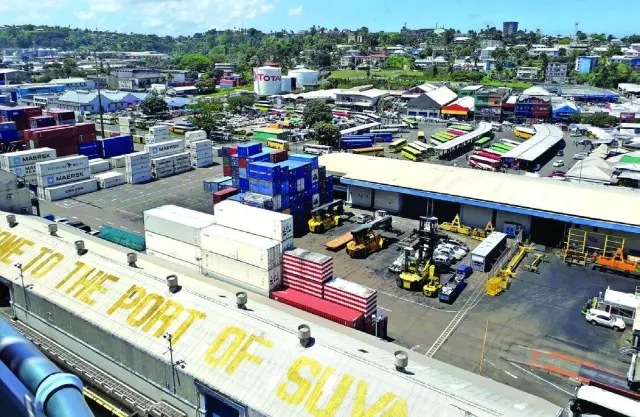
A headline figure of $1.3 billion landed hard in Yap, a small island state in the Federated States of Micronesia with roughly 7,000 people on the main island. The number was reportedly attached to FSM government demands for compensation linked to American plans to upgrade Yap's airport and seaport for military use.
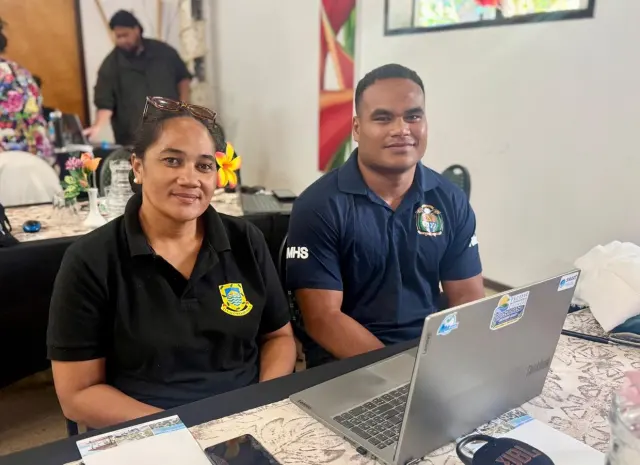
The US reaction was blunt. Adm. Samuel Paparo, head of US Pacific Command, objected to the proposed payout and warned the military could shift its investments elsewhere, according to an August report in The Diplomat. Then, on Oct. 8, the Yap US Military Operations Office struck a friendlier tone after a visit from US Embassy Chargé d'Affaires Andrew Wylie and Rear Adm. Joshua Lasky of Joint Task Force Marianas: the projects are still moving ahead, with officials set to review proposed defence sites, equipment storage areas and environmental safeguards, and public comments will be taken into account.
What's missing from the reassurances is any word on the $1.3 billion itself — withdrawn, trimmed, or still quietly on the table, nobody is saying. An open letter circulating among Yap residents has challenged the reported breakdown, including figures of about $800 million for graves and land acquisition and $350 million for environmental mitigation, asking how the numbers were calculated and who would actually receive the money.
For Yap, there's a cautionary backstory. In the early 2010s, Chinese developer Deng Hong's Exhibition and Travel Group arrived promising 10,000 hotel rooms, golf courses and charter flights full of tourists. Some landowners signed 99-year leases believing they'd get lump-sum payouts worth hundreds of thousands of dollars, only to find the money dribbled out over a century. The resorts never materialised as advertised — one, the former Village View Resort in Maap, was later found derelict while landowners had lost usable access to their ancestral land.
This time the context is different: the US-FSM defence relationship is long-established, and better airport and port infrastructure could genuinely benefit an island that depends heavily on its air links. But the underlying lesson holds for any community weighing a mega-deal — the headline number isn't the same as the deal's value, and fine print can outlast everyone negotiating today.
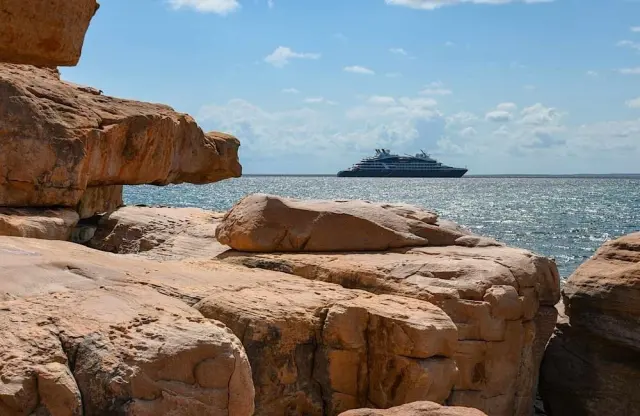
Why should travellers care? Yap is one of the Pacific's standout diving destinations, famous for its resident manta rays and intact traditional culture, and it's reachable only through a handful of flights. What happens with the airport and seaport will shape how — and how comfortably — visitors get there for decades. Locals, meanwhile, deserve clarity on who controls any compensation and what obligations come with it.