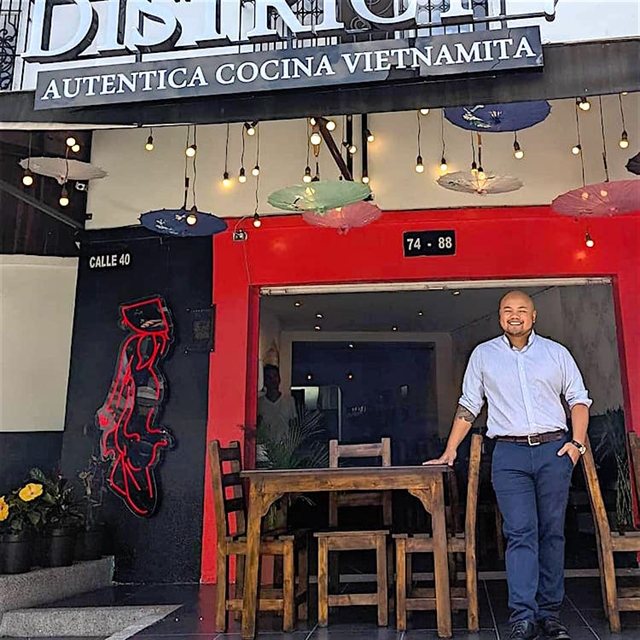
In Medellín, a city better known for arepas and bandeja paisa, a small restaurant called District 1 is serving bowls of phở under red lanterns. Its owner, Vietnamese-American Hiếu Lê, has been to Việt Nam exactly once — a trip in 2007 — and speaks only a little of the language. But he grew up on his mother's cooking in California, and that memory has become the backbone of an unlikely culinary project on the other side of the world.
The restaurant's name comes with a Spanish tagline, 'Auténtica Cocina Vietnamita', and the decor leans on familiar Vietnamese touchstones: paper umbrellas outside, áo dài paintings and illustrations of broken rice, crab noodle soup and bánh mì on the walls. The signature dish is phở with roasted beef marrow, and local diners appear to be catching on — the place carries a Tripadvisor recommendation. One Colombian customer, 23-year-old Daniela, told the restaurant's story that the broth-based noodle soup was a revelation compared to the dry, sauced pasta-style noodles Colombians usually eat.
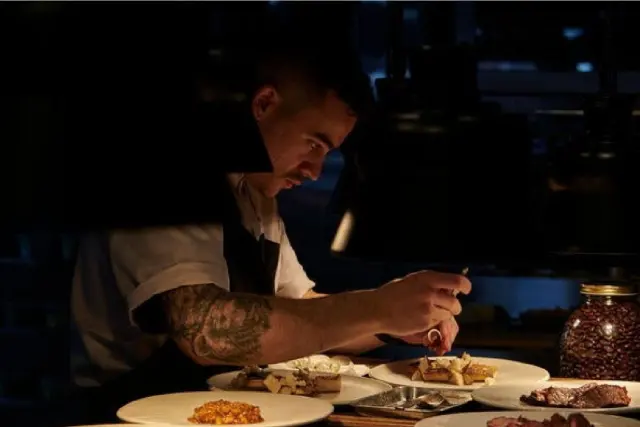
Hiếu's method for authenticity is hands-on. He films his mother cooking and sends the videos to his Colombian kitchen team, then tastes every dish and adjusts the seasoning until it matches what he remembers. When service gets busy, he steps into the kitchen himself. His staff have become converts too: co-manager Saul, who is Venezuelan, regularly checks whether dishes taste 'Vietnamese enough', while chef Jaime has been struck by the heavy use of fish sauce, basil and star anise.
The bigger challenge came around 2022-2023, when Colombia tightened rules on high-sodium imports, cutting off access to fish sauce and other Asian seasonings. A fellow Vietnamese-American, Danny Trần of the Son Fish Sauce brand in the US, stepped in with a donation of nearly 500 litres to keep the kitchen going. But Hiếu wanted a permanent fix. In 2023 he travelled to Tolú on Colombia's Caribbean coast, where local sardines proved suitable for Vietnamese-style fermentation — though he swapped wooden barrels for stainless steel tanks to satisfy hygiene regulations.
The first batch produced about 600 litres of pure fish sauce after more than a year. Getting it onto supermarket shelves, however, has stalled under Colombia's demanding requirements for facilities, equipment and food safety controls. For now the sauce stays in-house, seasoning the dishes he serves at District 1.
For travellers, this is a nice reminder that food culture travels in unexpected directions. Medellín has become one of South America's most visited cities, and District 1 adds a genuinely personal Vietnamese option to its dining scene — run by someone measuring authenticity one spoonful at a time, not by a franchise playbook. If you're exploring the city's restaurants between trips to Comuna 13 and the cable cars, a bowl of that marrow phở is a curious and worthwhile detour. — Vietnam News Life