Millions of people have discovered a Croatian great-grandparent through a genealogy website, and plenty of them assume that a printed family tree is all it takes to claim an EU passport. It isn't. Croatia's Ministry of the Interior treats commercial genealogy printouts – whether from Ancestry.com, MyHeritage or FamilySearch – as research material, not legal evidence.
Citizenship by descent in Croatia rests on proving an unbroken, legally documented bloodline from you back to the emigrant ancestor. That means state-issued physical birth, marriage and death certificates for every generation in the chain. A 1912 ship manifest showing an Ivan Radić arriving in New York proves only that a man by that name travelled; it doesn't establish that he was your specific ancestor, or confirm his nationality in the eyes of the modern Croatian state.
Every foreign-issued document also needs an Apostille from the relevant authority, plus sworn translations by a court-appointed Croatian translator. But the hardest piece is usually the one you can't download: the original birth or baptismal record of the ancestor in Croatia itself. While much Western records-keeping has gone digital, a huge share of Croatia's vital records still live only in physical volumes – municipal registries, regional archives and parish books scattered across the country. If your grandmother was born in 1905 in a Dalmatian hinterland village or a small Slavonian town, her record almost certainly isn't indexed anywhere online. Someone has to work out which office or parish holds the right volume, correspond with local clerks in Croatian, and extract a certified copy.
For applicants in New York, Toronto or Sydney, that ground-level legwork from thousands of kilometres away can stretch a DIY project from a few months into years of administrative limbo. Specialist diaspora services (the article points to Croatian By Descent, run by people who've been through the process themselves) exist to bridge exactly that gap – pulling certified records from Croatian archives, handling apostilles and translations, and packaging everything to the Ministry's standards.
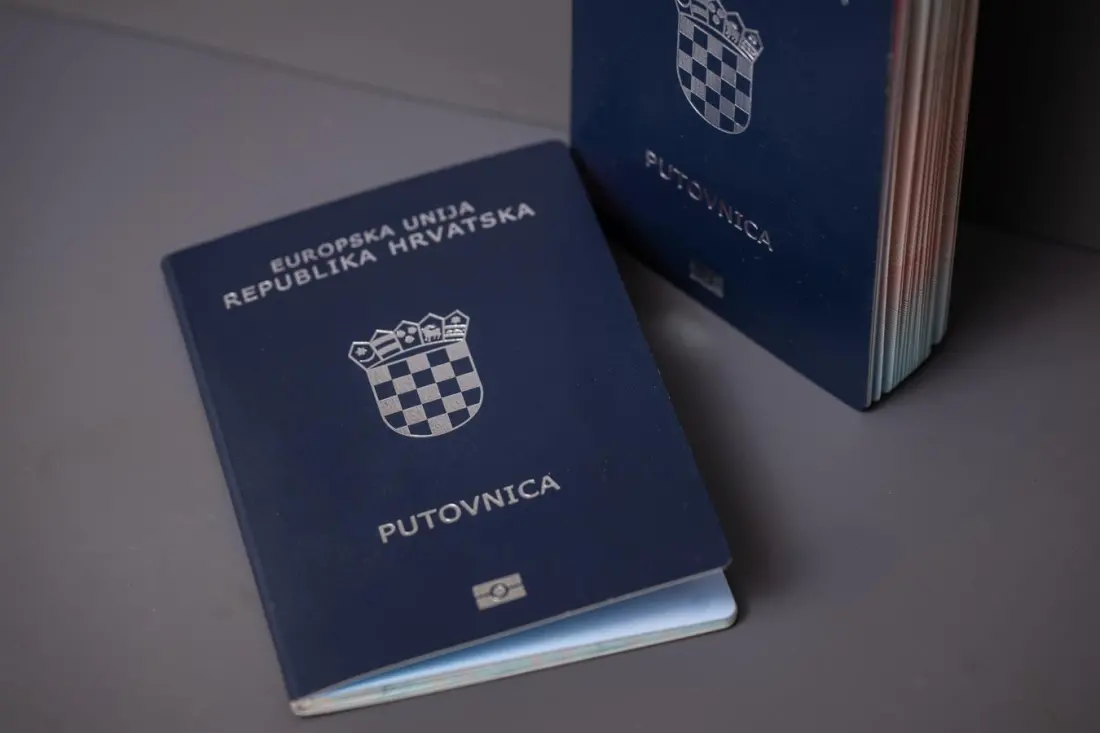
Why does this matter to travellers? Because Croatian citizenship means an EU passport: freedom of movement across the bloc, no visa queues, and the option of that Mediterranean holiday cottage becoming something more permanent. Your genealogy-site research isn't wasted – the names, dates and home villages you've uncovered are the perfect starting point. Just treat it as step one of a paper trail, not the finish line.