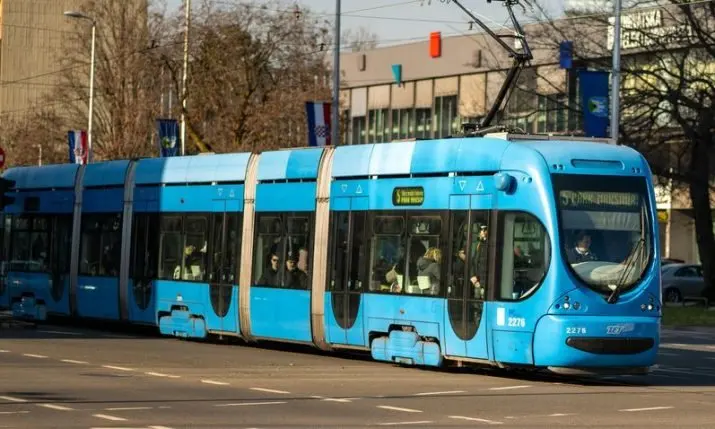
If you're in Zagreb on Monday 27 September 2026, plan for a very slow day. Workers at ZET, the city's public transport operator, and Zagreb Holding are walking out, and the mayor expects services to be heavily reduced — possibly stopped entirely.
Mayor Tomislav Tomašević briefed the public on Sunday and pulled no punches: he anticipates "very, very large traffic jams" as commuters switch to cars. The crunch periods will be the familiar rush hours, 7am to 9am and 3pm to 5pm, when school runs and commuting pile onto already congested roads.
For travellers, the practical advice from the city is simple. Arrange alternative transport before the day, and if you have a rental car or are driving, expect long delays and consider teaming up with others heading the same way. Taxis are also expected to be in short supply — the mayor has asked anyone who can walk, cycle or share a ride to leave cabs free for older people, patients heading to hospital and others who genuinely need them.
The strike context matters too. Tomašević criticised union leaders for pushing ahead before arbitration on minimum service levels had finished, calling the move irresponsible, while stressing that frustration should not be aimed at individual ZET or Zagreb Holding staff on picket lines. In other words, the disruption is real, but it's a labour dispute — be patient, not combative.
Why should holidaymakers care? Zagreb is Croatia's main rail and bus hub and its international gateway, so a full shutdown of city transport affects airport transfers, station connections and any sightseeing plan built around trams — which is most of them. If your visit overlaps with the strike day, budget extra time to reach Zagreb Airport by shuttle or pre-booked transfer, and be aware that even getting across the city centre could take far longer than usual. The same logic applies if you're passing through Zagreb en route to the coast or Plitvice.
The smart move is flexibility: check whether your tram or bus route is running before setting out, build in buffer time for any onward connections, and have a walking or ride-share backup. Strikes like this are usually single-day affairs, so most itineraries should survive intact with a little replanning.