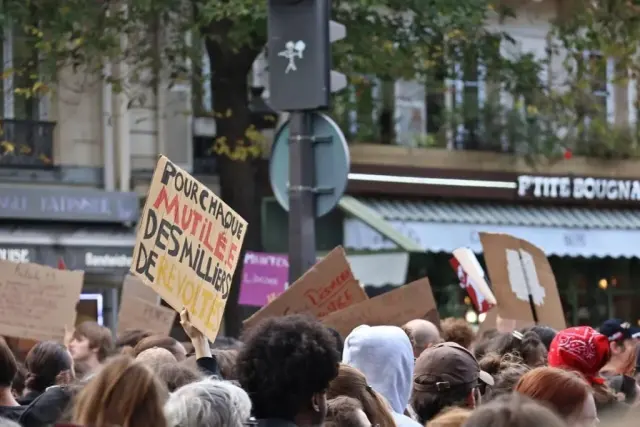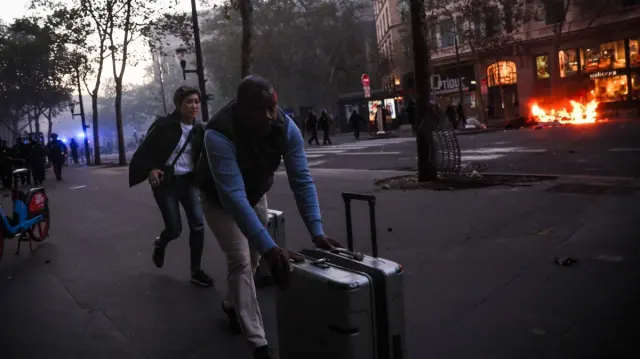
France woke up to a mess on Monday morning. After close to half a million people marched nationwide on Saturday over the rising cost of living, violent fringe groups torched buildings, looted shops and clashed with riot police, leaving more than 2,400 people arrested and one protester dead after a cardiac arrest in Paris.
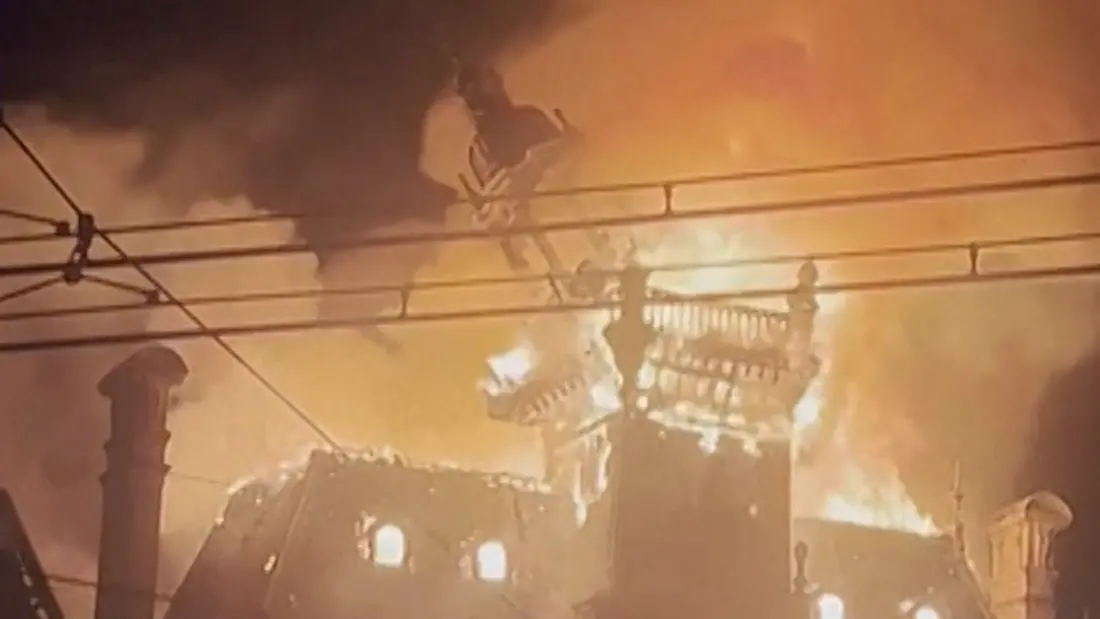
The damage is startling even by the standards of French street politics. Limoges' 19th-century city hall went up in flames, its roof collapsing, and Lyon's tourism office was set on fire while demonstrators reportedly blocked firefighters. Hundreds of businesses were ransacked in Paris, Marseille, Lyon, Bordeaux, Rennes, Strasbourg, Grenoble and Nice. Around Place de la République in the capital, cobblestones have been ripped up and shopfronts smashed. President Macron has called for calm, describing "unprecedented violence", and Prime Minister Sébastien Lecornu has convened an emergency cabinet meeting to assess the fallout.
The movement started small — a month ago, at high schools in Paris's suburbs, over staff shortages and crumbling facilities — then spread nationwide and was folded into wider anger about living costs and a fraying welfare system. The government insists it has been hijacked by outsiders looking for a fight, and there's no clear sign yet that the unrest is over.
So what does this mean if you've got a trip booked? Officially, not much has changed. The UK's Foreign Office has issued no warning against travel to France, so you can't claim a full refund on that basis — and travel insurance almost certainly won't cover cancelling over safety fears unless government advice changes. Your cancellation rights come down to your holiday provider's own terms, so it's worth calling them directly if you want to postpone. Some policies do include cover for events that stop you physically reaching your destination, so dig out the paperwork and check the small print.
The FCDO's standing advice for France already covers this kind of situation: strikes, demos and marches happen frequently and can flare up with little warning. Its guidance is to keep an eye on the media, follow your operator's updates and steer clear of protest areas. That's sensible advice in any French city right now — most demonstrations are peaceful, but the edges of this one clearly aren't.
Practically speaking, a holiday to France can still go ahead. Tourist sites, trains and airports are largely operating as normal; the trouble has been concentrated in city centres on protest days. If you're travelling in the coming weeks, build in some flexibility, avoid Saturday marches and known flashpoints like Place de la République, and have a plan B for city-centre accommodation if streets are cordoned off.
Who is this for? Anyone with flights, a gîte or a city break booked in France over the next month — and anyone wondering whether to book one. The short version: don't panic-cancel, but do stay informed, since the situation is still moving and a single change in FCDO guidance would alter the refund picture entirely.
Story first reported by The Independent Travel.