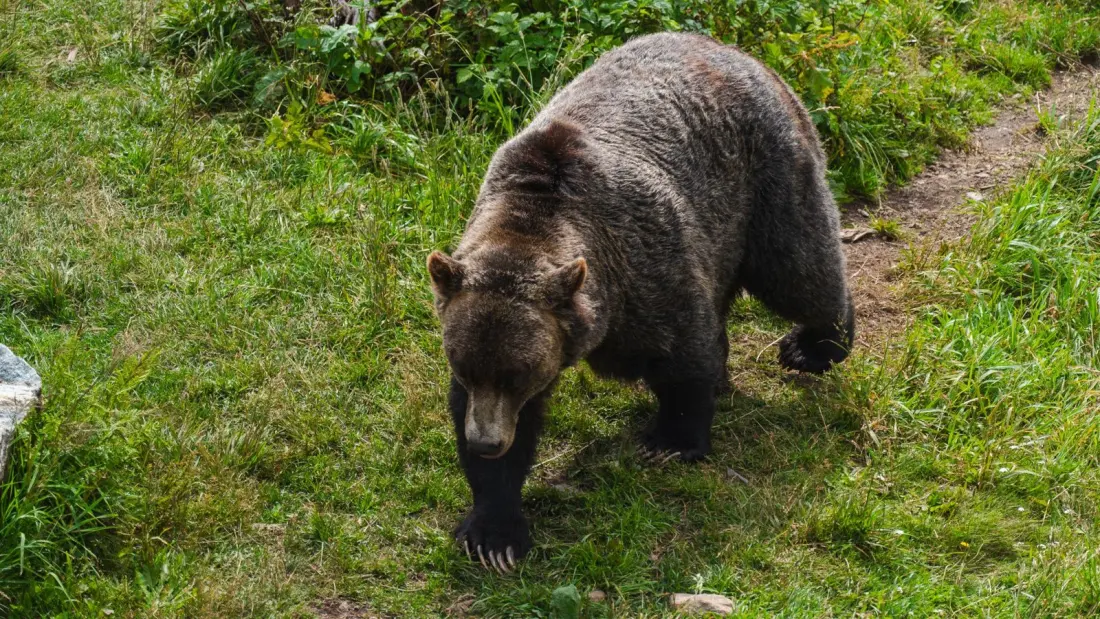
Two hikers who set out on a Halloween-day walk near their home in Bella Coola, British Columbia, were killed by a grizzly bear — and wildlife officials say it was no ordinary bear encounter. DNA testing has conclusively linked a mother grizzly and her three cubs to the deaths of Jennifer Balcarras, 48, and her daughter Selah Reed, 20.
When the pair failed to return home the night of October 31, family members raised the alarm. Search teams found Balcarras on November 2 and Reed the next day, both with injuries consistent with a bear attack. Conservation officers later captured the four bears and euthanized them. B.C. Conservation Officer Service Inspector Jeff Tyre explained the hard logic behind that decision: bears involved in fatal attacks cannot be relocated or rehabilitated, and killing them is deemed necessary to prevent a repeat.
What makes this case stand out is its classification. Forensic evidence from the scene suggests the attack was predatory, not defensive — meaning the bears appear to have viewed the hikers as prey rather than reacting to a perceived threat. That's vanishingly rare. A 2019 analysis of brown bear attacks across North America, Europe, and Asia found only about 5 percent were primarily predatory. Far more common triggers: encountering a mother with cubs (47 percent of cases), a surprise close encounter (20 percent), or the presence of a dog (17 percent). Officials confirmed the bears destroyed this month were not involved in a separate incident nearby, nearly a year earlier, in which a bear severely injured three children and an adult on a school field trip. That animal was never caught.
The deaths have shaken Bella Coola, a remote valley community in B.C.'s central coast region that sits squarely in grizzly territory. The Nuxalk Nation, the area's Indigenous community, began advising an 8 p.m. curfew for residents, and chief councillor Samuel Schooner described the incident as deeply re-triggering for a community still recovering from last year's attack, with support services staying in place for the foreseeable future.
For travellers, the takeaway is not that grizzlies are lurking predators waiting to strike — attacks of this kind are exceptional. But Bella Coola is genuine bear country, and the story is a blunt reminder of what backcountry prep actually means there. Travel in groups, make noise on trails, carry bear spray and know how to use it, store food properly, and be extra cautious at dawn and dusk. If you see a sow with cubs, give her an enormous berth. Most importantly, check local advisories before you go: after this incident, area residents are being urged indoors after dark, and conditions in the valley can change fast.
Balcarras had only recently moved to Bella Coola; she worked as an art therapist, and Reed, an educational assistant, had just completed three large murals at the local health centre. The community they called home — dramatic mountains, a winding fjord-inlet road, and some of the best grizzly-viewing in the province — is the same landscape that demands respect from anyone lacing up hiking boots there.