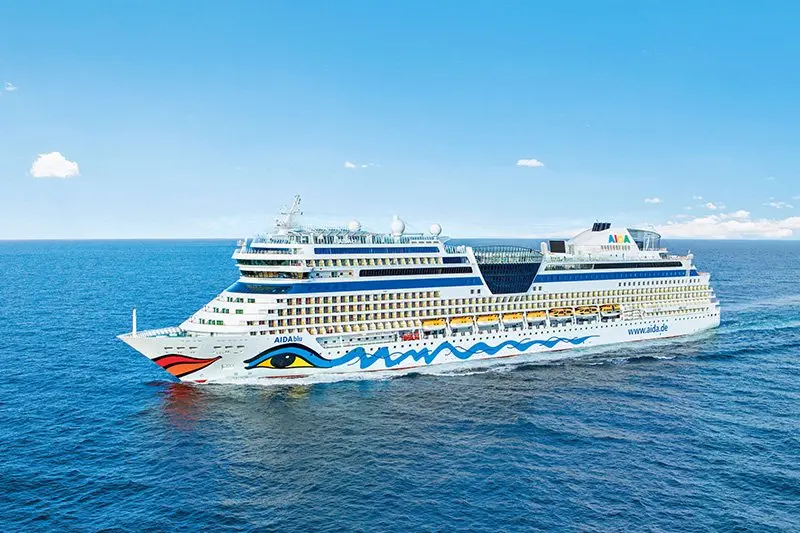
Cruise ships churn through an enormous amount of soft furnishings. Carpets, curtains and canopy fabrics take a beating at sea and get replaced regularly — and, historically, most of it has ended up as waste. AIDA Cruises is now trying to change that, and it has roped in scientists and industry partners to prove whether the idea actually works.
The German cruise line is expanding its project, "Recycling Loops in Cruising: Rethought," originally launched alongside Futouris e.V., the sustainable tourism organisation, and the recycling specialist Oceancircle. The Fraunhofer Institute for Environmental, Safety and Energy Technology UMSICHT has now come on board to provide the hard science: life-cycle assessments, material-flow analyses and stakeholder engagement.
The groundwork already exists. Since 2025, as part of AIDA's fleet modernisation programme, the line has been collecting worn-out carpets, curtains and canopy fabrics from its ships and giving them a second life — most notably as underlay for new carpet areas onboard. The programme has also introduced fully recyclable carpeting at sea for the first time. What's new is the scientific scrutiny: researchers will assess the environmental impact of current carpet recycling methods and future materials, then map the material flows of ship interior fittings to find more opportunities for reuse, refurbishment and recycling.
What makes this more than a PR exercise is the stated ambition to share the results. Futouris says the findings will be turned into concrete recommendations for other cruise lines, tested for transferability to the hotel industry, and compiled into a practical industry guide. AIDA's sustainability chief Dirk Inger framed the logic plainly: circular economy approaches keep resources in use for as long as possible, so materials can be meaningfully repurposed once their original job is done.
For travellers, the relevance is indirect but real. If you're choosing between cruise lines and sustainability factors into your decision, this is the kind of behind-the-scenes work that separates genuine waste reduction from marketing language. Older ships get refitted every decade or so — AIDA's Evolution programme being a case in point — and what happens to all those tonnes of removed carpet and fabric is a question more lines will have to answer as environmental regulation and passenger expectations tighten. An industry-wide guide could speed up adoption well beyond one fleet.
It also signals where cruise interiors are heading: cabins and public spaces fitted with materials designed from the start to be recycled, rather than replaced and dumped. That may eventually mean more recycled-content flooring underfoot on your next sailing, whether you notice it or not.