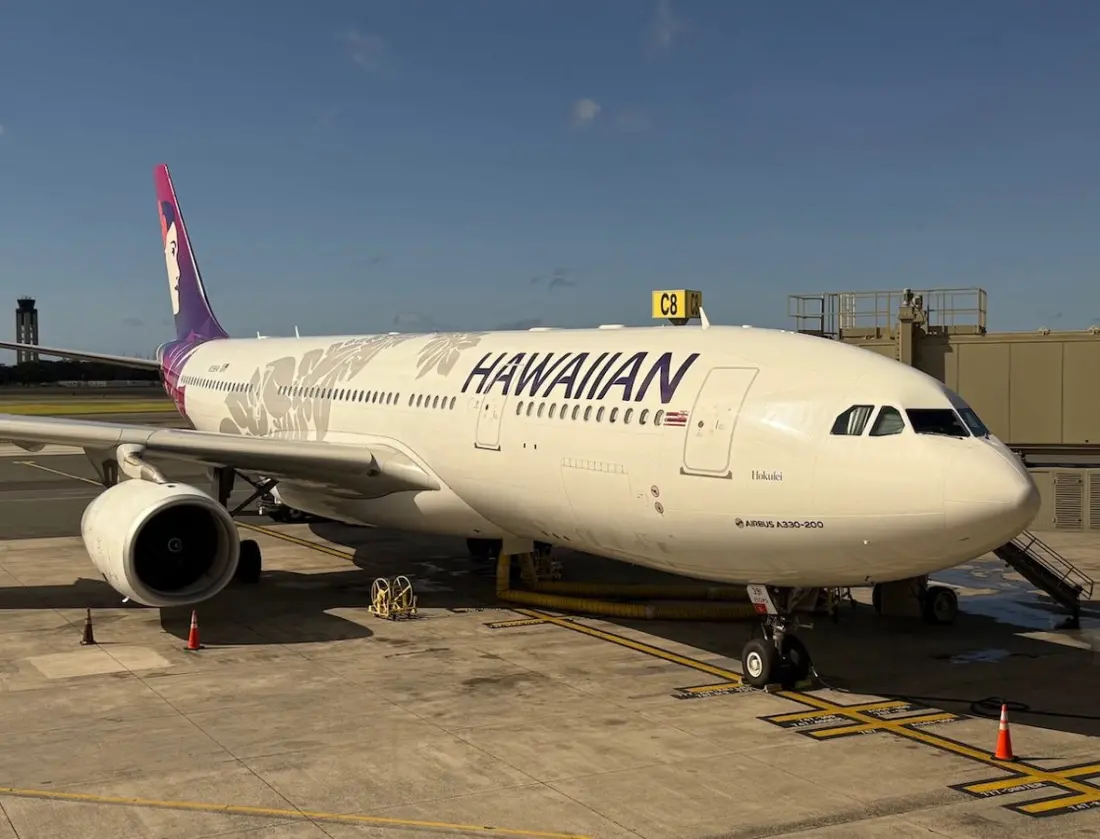
Alaska Airlines is pressing ahead with its plan to turn Seattle into a genuine long-haul gateway, and the next two routes on the list are big ones: Osaka, Japan and Papeete, French Polynesia. Both launch in spring 2027, and both will be flown with Airbus A330s inherited from Hawaiian Airlines, which Alaska acquired in 2024.
The Osaka service starts on 14 May 2027, running four times a week. The flight covers 5,040 miles and is timed at just under 12 hours westbound, leaving Seattle at midday and arriving in the early evening. That makes Alaska only the third airline linking Osaka with the US mainland, joining United from San Francisco and Japan Airlines from Los Angeles. For travellers, there is a handy bonus: Kansai International is the closest long-haul airport to Kyoto, so this is effectively a new Seattle-to-Kyoto option.
Tahiti follows on 11 June 2027, with three weekly flights to Papeete. The 4,782-mile route takes around 10.5 hours southbound, departing Seattle late at night and landing at 7:20am the next morning, which is a civilising arrival time for a beach holiday. Competition here includes United and French Bee from San Francisco, plus Air France and Air Tahiti Nui from Los Angeles. Air Tahiti Nui previously tried and failed on Seattle-Tahiti, so Alaska is betting its strong Seattle loyalty base and the Atmos Rewards programme can generate demand where others could not.
The catch is the aircraft. The A330s seat 278 passengers — 18 in business, 260 in economy — and have Starlink Wi-Fi, but their interiors are dated. Cabin overhauls are only slated to begin in 2028, so early flyers will get the pre-refresh product. There is also a branding oddity: these planes are meant to be based in Honolulu wearing Hawaiian livery, yet they will now fly Seattle-Osaka and Seattle-Tahiti without touching Hawaii at all.
Another question mark hangs over Honolulu. Both Osaka and Tahiti are already served by Hawaiian from Hawaii, and much of Alaska's long-haul expansion so far has come at the expense of unprofitable Hawaii routes. For now, tickets are on sale from both hubs, but it would not be a surprise if the Hawaii versions eventually disappear.
Why does this matter for holidaymakers? Seattle travellers get nonstop access to two destinations that previously required a connection on the West Coast, and the Osaka flight in particular opens up Kansai — Osaka, Kyoto, Nara and Kobe — without routing through Tokyo. Tahiti, meanwhile, becomes a realistic one-stop-free escape for anyone in the Pacific Northwest. Both routes go on sale well ahead of the 2027 launches, so there is time to plan, and award space via Atmos Rewards could be worth watching given how thin premium cabin inventory is on these aircraft (18 business seats spread across a wide-body). If you book early 2027 departures, manage expectations about the cabin: the hardware is functional and connected, but the polish comes later.