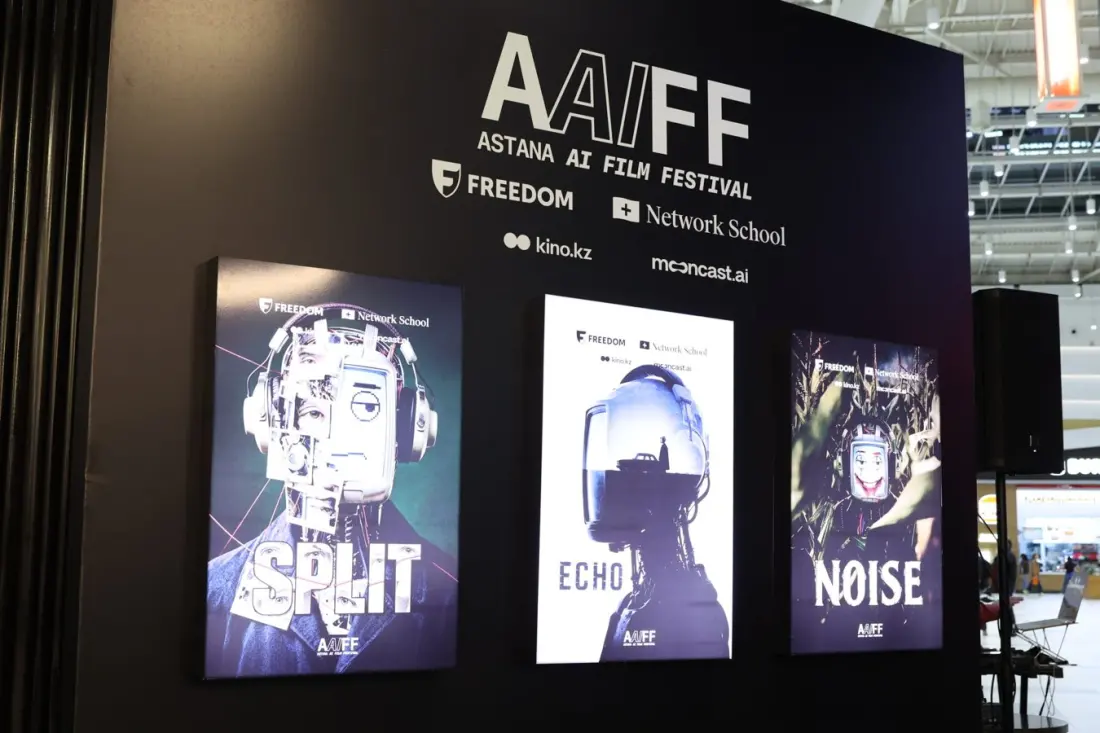
Astana has spent October positioning itself as an unlikely hub for the future of film. The Astana AI Film Festival (AAIFF 2026) drew entries from 125 countries — more than 8,000 applications — and just 25 made the final cut for public screenings on 2-3 October, with winners announced on 3 October. It's all part of Kazakhstan's wider AI Month and the AI & Digital Bridge 2026 programme, and the country is billing the event as the first of many.
The scale alone is striking. From those 8,000-plus submissions, the jury narrowed the field to roughly 200 works before settling on the finalists. The shortlisted films run between five and 20 minutes, and co-founder and creative director Aizatulla Hussein says a typical short costs somewhere between $3,000 and $5,000 to produce — a fraction of conventional budgets, though he's quick to push back on the idea that AI makes filmmaking easy. Many of the strongest entries, he notes, came from people with traditional film backgrounds: cinematographers, editors and directors who know how to hold a story together.
What makes the festival interesting is its attitude. Rather than using AI to imitate Hollywood, Hussein argues the technology can unlock entirely new forms of storytelling and visual design. The festival even ran a themed category, "The Future Worth Living In," as a deliberate counter to the usual sci-fi trope of a dangerous, doomed tomorrow.
There's a platform play too. The organisers have launched Mooncast.ai, a streaming service built specifically for AI-generated films, giving the hundreds of entries that missed the final stage somewhere to find an audience — and hinting at a distribution channel that could outlast the annual competition itself.
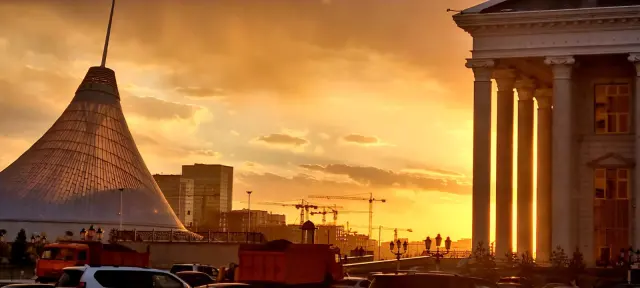
For travellers, the draw is a glimpse of Astana beyond the usual postcard of futuristic towers. Visiting during the festival season puts you inside a city actively experimenting with new media, alongside its striking contemporary architecture and growing events calendar. If AAIFF does become an annual fixture, October in the Kazakh capital is worth a look for anyone curious about where culture and technology collide.