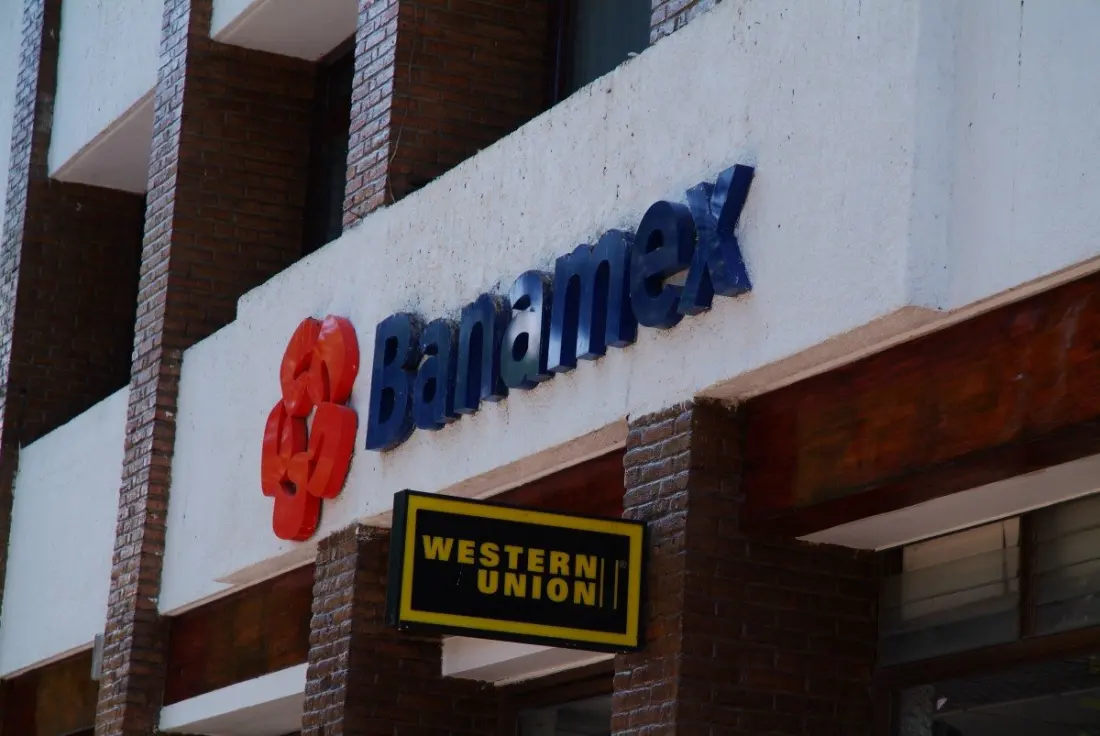
Mexico has a reputation as a cash-first country, and that reputation still holds. Cards are widely accepted in cities and resorts, but markets, taxis, small restaurants and rural spots run on pesos, and queues outside bank branches remain part of daily life — especially around quincenas, the twice-monthly paydays when workers line up to cash cheques or withdraw wages.
The scene has changed a lot in the past decade, though. Anyone who remembers the old model — counters open from 9:30am to 1pm, with an entire morning lost in a queue — will barely recognise modern Mexican retail banking. Branches now keep longer hours, many open on Saturdays, and telephone and internet banking have become the default for everyday transactions. Paying bills, transferring money and checking balances can all be done from a phone app rather than a bank counter.
Still, the transition isn't universal. Older customers often distrust online banking and use branches only for cashing cheques or withdrawing cash, so long lines persist at peak times. The practical lesson for visitors and newcomers alike: plan cash runs around the quincena rush rather than during it.
For travellers, the main takeaway is simple — carry pesos, don't rely solely on cards, and use ATMs linked to reputable banks. For those staying longer, opening a local bank account is usually necessary if you're working, retiring or buying property in Mexico. A local account makes it far easier to manage day-to-day spending and to move money between a foreign account and your Mexican one, avoiding repeated cross-border transfer fees.
Why does this matter to a holidaymaker? Because money friction is one of the most common trip-wreckers. Arriving assuming everywhere takes contactless payments is a good way to get stuck. Knowing that Mexico leans on cash, that ATMs can run dry around paydays, and that banks may not offer the counter services you expect helps you budget and plan realistically. Long-stay visitors, retirees scoping out a future home, or buyers of a beach condo will get the most out of this — but even a two-week holiday goes smoother with a little financial prep.