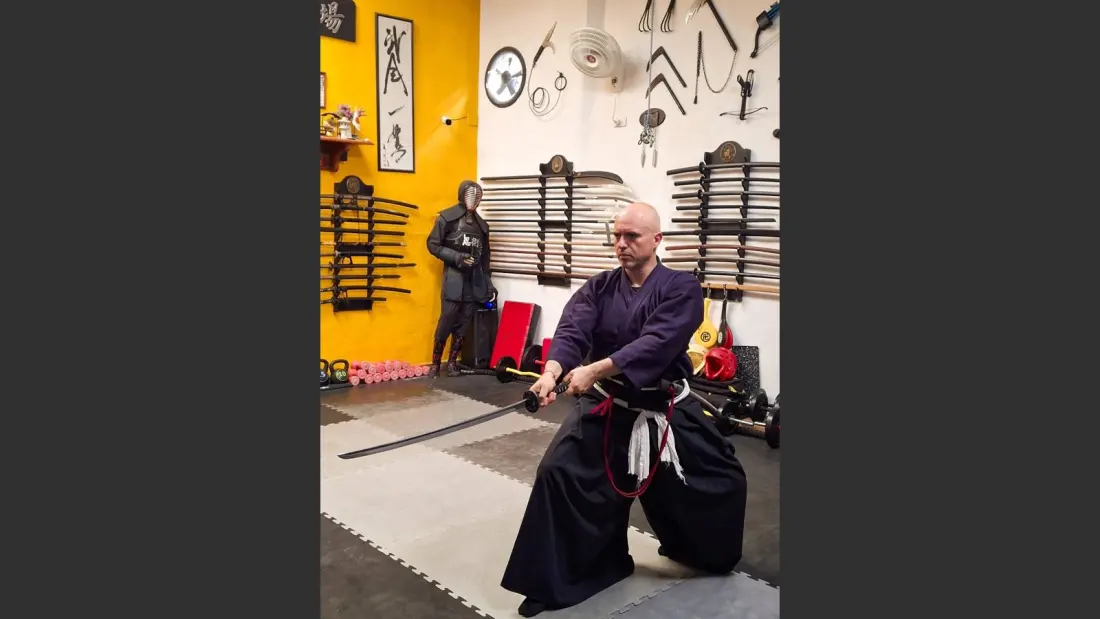
Ninjutsu might sound like something from a film, but it has real dojos in Colombia, and one Bucaramanga-born teacher helped put them there. Arnoby Sinam Alba, a physical education graduate from Santander, became the first Colombian to travel to Japan in February 2002 to train under Masaaki Hatsumi, head of the Bujinkan organisation that unites nine classical Japanese martial arts schools. He passed Hatsumi's sakki test — an assessment of perception — to earn the Shidoshi teaching title, and by 2020 held the rank of DaiShihan, or grand master.
The story of ninjutsu in Colombia starts well before that trip. Accounts differ, but Alba's school credits Argentine instructor Jorge Goldenstein with founding the Colombian Bujinkan in 1993. That same year, Alba, Alejandro Estrada and Yaneth Fragozo began training; Alba opened schools in Cúcuta and Pamplona in 1994, Estrada brought the art to Bogotá in 1999, and Fragozo introduced it in Valledupar in 2004. Hatsumi himself presided over large gatherings in Colombia between 2008 and 2016.
So what exactly is ninjutsu? Often translated as "the art of endurance" or "the art of concealment," it's the traditional system of the shinobi — the ninja. Rather than a single fighting style, it bundles hand-to-hand combat, weapons training, survival skills, disguise and strategy. Its lineage is tied to the Togakure-ryu school, said to have been founded by a samurai who fled to Japan's central mountains in the 12th century. Unlike judo or taekwondo, ninjutsu has no tournament circuit; training centres on taijutsu, or body movement, and adaptation rather than competition. That's why it sits firmly on the "martial art" side of the line separating traditional disciplines from rule-bound contact sports — a distinction that matters when people casually call every kicking, punching art "karate."
Alba's career has stretched far beyond the dojo. Born in Bucaramanga in 1973 and a University of Pamplona graduate in 1998, he has studied martial arts for nearly four decades. He has taught self-defence to security guards and bodyguards, worked with groups connected to Colombia's special forces, and picked up certifications in functional training, battle ropes and kettlebells. In 2009 he founded Tienda Marcial, an importer of martial arts gear, and in 2024 launched Academia Táctica Colombia in Bucaramanga — offering rappelling, tactical shooting, archery, airsoft and jungle survival. TV viewers may recognise him from Discovery Channel's "Desafío X2 Colombia," where he appeared as an ex-military survival expert.
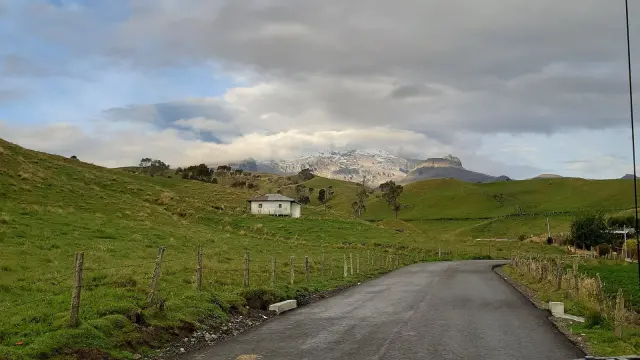
For travellers, this is a reminder that Colombia's cities hold cultural scenes far beyond salsa and coffee. Bucaramanga and the surrounding Santander department have built a reputation for adventure sports — whitewater rafting at San Gil, paragliding near Chicamocha Canyon — and tactical and survival academies now fit neatly into that picture. Visitors keen on martial arts or outdoor skills can find classes where students range from age four to seventy, a sign of how deeply the art has taken root. It's also a good excuse to explore Santander itself: a region of canyons, colonial towns and mountain air, three hours or so by air from Bogotá. The ninja, it turns out, found a natural home in the Andes.