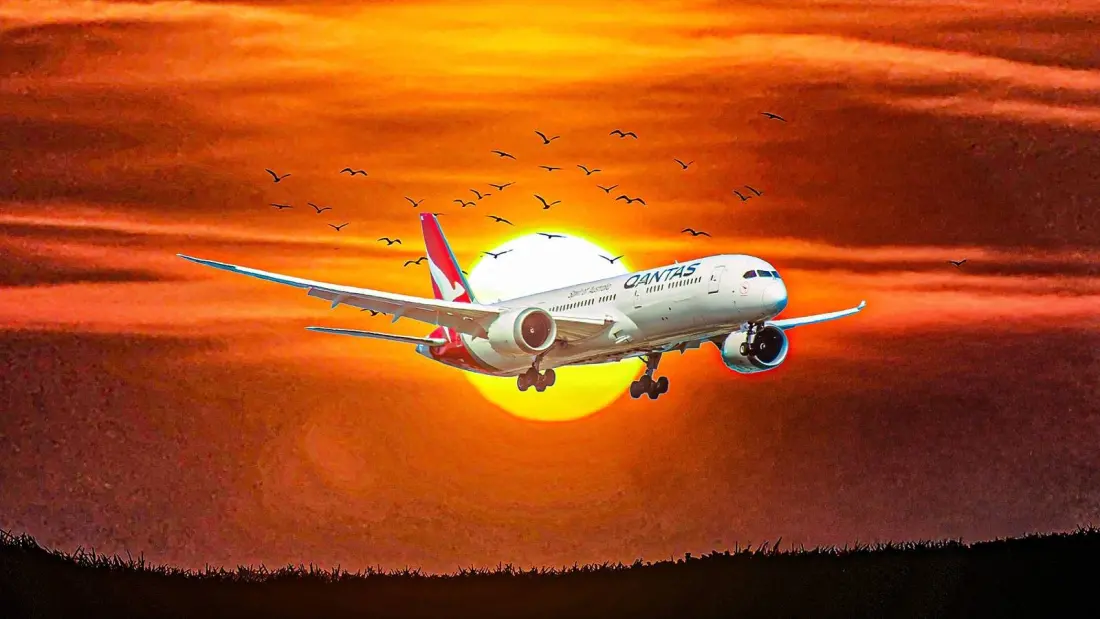
A Qantas Boeing 787-9 had to be pulled from service in Rome after passengers on the inbound flight reported being bitten by bedbugs, forcing the airline to cancel its return service and give the aircraft a deep clean.
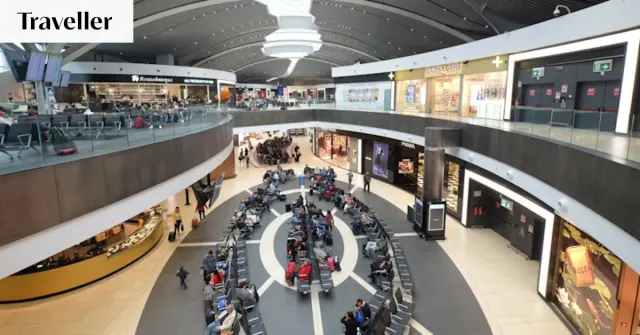
The trouble started on flight QF5, the daily Melbourne-Rome service that runs via Perth. Its second leg is one of the few nonstop links between Australia and Europe, a marathon 16.5-hour sector. The aircraft, registered VH-ZNI, landed at Rome Fiumicino just after 7:30 AM on Saturday, October 10, more than an hour behind schedule. By then, economy passengers had been complaining of bites, and Qantas had run through its entire stock of antihistamines.
Rather than risk a repeat on the return leg, Qantas cancelled QF6, the scheduled Rome-Perth-Melbourne service that would normally have departed at 10:45 AM. That left ground crews just over three hours to turn the plane around, nowhere near enough for the fumigation-style treatment needed. A spokesperson confirmed the cancellation allowed engineers to deep clean the affected seats, described as a small number in the economy cabin.
Affected passengers weren't left stranded. The airline rebooked everyone on alternative flights within 48 hours and covered hotel rooms in the meantime. As for the plane itself, it finally left Rome that afternoon as a passenger-free ferry flight, reaching Perth at 11:06 AM the next day before continuing to Sydney. It has since been cleared and returned to regular service. The likely culprit? Hitchhiking bedbugs that came aboard in someone's luggage or clothing.
If this sounds like a freak event, it's rare but not unique. Turkish Airlines faced similar complaints in January 2025, with passengers sharing photos of bites from multiple flights. And back in 2017, British Airways apologised to a Canadian family bitten on a Vancouver-to-London flight, who were told they couldn't move seats because the plane was full.
For travellers, the practical takeaway is less about panic and more about what to do if it happens to you. Bedbugs on planes are genuinely uncommon, and airlines generally rebook and compensate when an aircraft is pulled for treatment. Document any bites with photos, report them to cabin crew straight away, and keep receipts for any expenses if your flight is disrupted. It's also a reminder that ultra-long-haul routes, where you're seated for 16-plus hours, give any problem more time to surface. Qantas's handling here, rebooking within two days and covering hotels, is roughly what you should expect from a carrier when something like this goes wrong.
The Rome-Perth route itself remains one of aviation's great feats, cutting what used to be a two-stop journey down to a single nonstop sector, so the occasional drama hasn't dented its appeal.