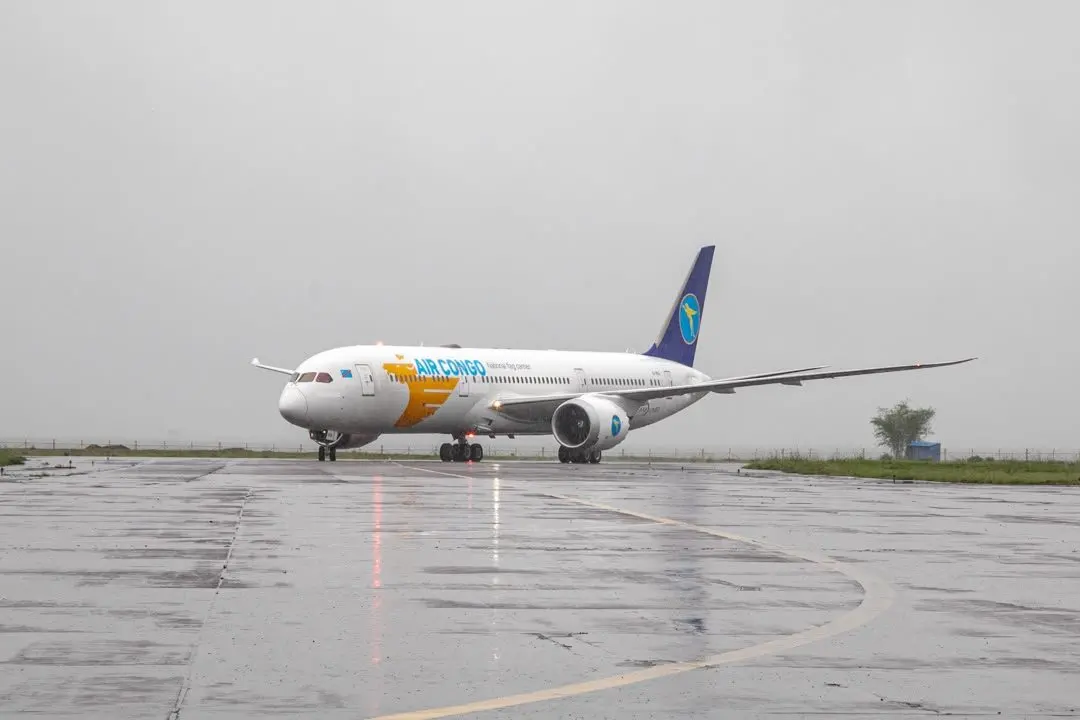
Air Congo has quietly levelled up. A Boeing 787-9 Dreamliner landed at N'djili International Airport in Kinshasa on 27 October, brokered by chartering and leasing specialist Chapman Freeborn, which matched the Congolese carrier with an unlikely donor of capacity: MIAT Mongolian Airlines. The aircraft is set to start flying for Air Congo on 31 October.
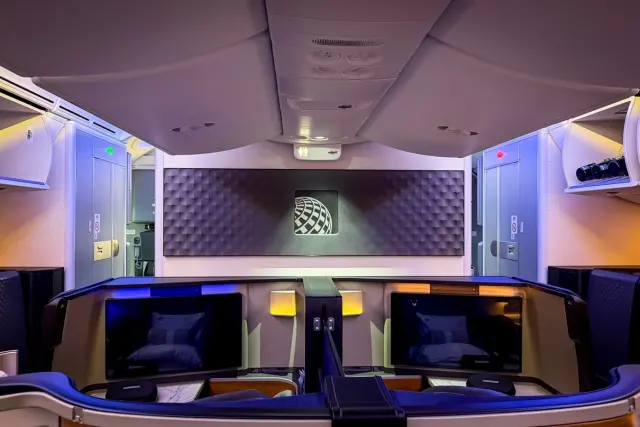
The lease matters for passengers as much as for the airline's balance sheet. The Dreamliner brings 292 seats arranged across three cabins — 30 in Business, 36 in Premium Economy and 226 in Economy. That's a notably wider spread than many African carriers offer on comparable capacity, and the arrival of a Premium Economy cabin in particular signals Air Congo's ambition to court more than just bargain hunters.
The deal was welcomed at a political level, too. Jean-Pierre Bemba, the Deputy Prime Minister responsible for Transport, was on hand for the aircraft's arrival alongside Air Congo chairperson Jeanne Madeleine Mpemba Tujibikile and director general Mesfin Biru — a hint at how strategically important national flagcarrier capacity is viewed in Kinshasa.
Behind the scenes, this is a textbook ACMI (aircraft, crew, maintenance, insurance) arrangement. Chapman Freeborn's leasing team worked with Air Congo to pin down its capacity needs and service goals, then lined up MIAT Mongolian Airlines as the lessor and steered the talks through to delivery. Chapman Freeborn's Daniel Huggins and Linas Dovydenas both framed the deal as proof that matching an aircraft to an airline's commercial plan is as much about relationships as about hardware. Leasing capacity short-term like this lets a growing carrier add widebody capability without the multi-year commitment and capital outlay of buying.
For travellers, the practical upshot is straightforward: more seats into and out of Kinshasa, more cabin choice, and a modern, fuel-efficient aircraft type that's quieter and more comfortable than much of the older metal still flying regional African routes. If Air Congo uses the Dreamliner to push longer-haul or higher-frequency services, it could shake up pricing on routes connecting the DRC with Europe, the Middle East and beyond — a market long dominated by a handful of international carriers. Keep an eye on how the airline deploys the aircraft once it enters service this month.
This story was first reported by Nomad Africa.