Bhutan's autumn calendar has quietly become one of the most interesting in Asia. Over just a few weeks this October and November, the country hosts four very different events that, taken together, say a lot about where it is heading.
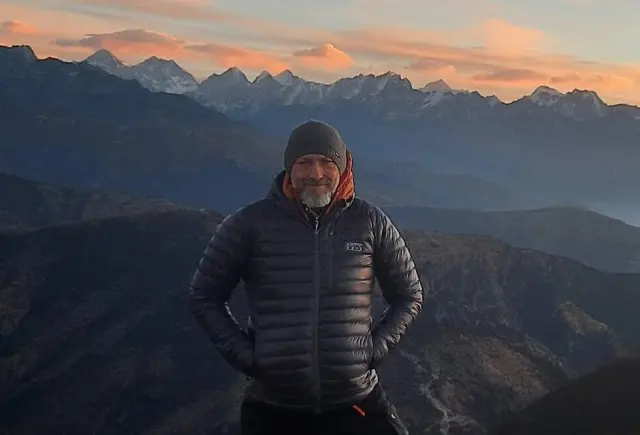
First up is the ninth Royal Highland Festival in Laya, the high-altitude village near the Tibetan border reachable only on foot. Launched in 2016, the festival shines a light on Bhutan's highland herders and this year runs under the theme "Rangeland for Life, Empowering Herders." Two announcements give it extra weight: the launch of a Himalayan Yak Herders' Network Secretariat linking Bhutan, India and Nepal, and the declaration of 23 October as National Yak Day. There's also a first — a Global Highland Fusion Ramp Walk, where traditional highland dress gets a creative, fashion-forward showcase. For travellers, it's a rare chance to see a living nomadic culture being actively repositioned as an economic asset rather than a relic.
The third Snowman Race follows. This is one of the world's toughest ultra runs, a multi-day route through remote Himalayan terrain conceived to draw global attention to glacier melt and climate vulnerability. It finishes with a Climate Conclave in Bumthang, turning an extreme sports event into a platform for climate dialogue.
Then comes Project 108 on 1 November: volunteers will raise 108 Jangchub Chortens in a single day at Gelephu Mindfulness City, Bhutan's ambitious new urban development in the south. The number carries spiritual significance, and participation is open well beyond Bhutan's borders — an unusual invitation for visitors who want their trip to involve doing something, not just seeing things.
The season closes on 11 November with the conclusion of year-long celebrations marking the 70th birth anniversary of the Fourth King, Jigme Singye Wangchuck — the monarch who introduced Gross National Happiness and set Bhutan on its distinctive development path.
Why should a traveller care? Because these events show Bhutan doubling down on exactly what makes it unusual. The Highland Festival puts you among yak herders, traditional costumes and rangeland culture that few outsiders ever witness. The Snowman Race route passes some of the planet's most fragile high-altitude wilderness. Gelephu Mindfulness City is a once-in-a-generation urban experiment you can watch take shape. And the thread running through all of it — the idea that tradition and creativity can feed each other — shapes the kind of tourism Bhutan wants: small-scale, meaningful, high-value.
Practical note: access to Laya and the Snowman Race route involves serious trekking logistics and acclimatisation, and Bhutan's Sustainable Development Fee still applies to visitors, so this is a destination to plan well ahead rather than wing it. But if your dates line up with late October or early November, you'll catch the country at its most self-aware and ambitious.