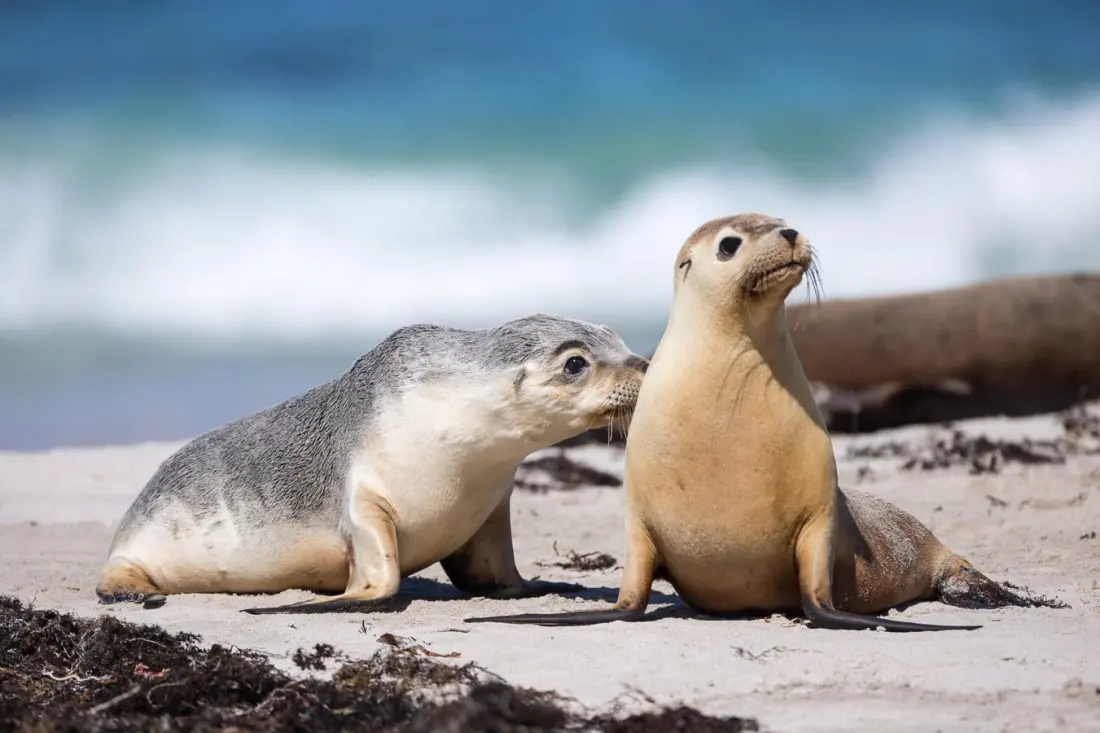
A lethal strain of avian influenza, H5N1, is moving fast along the southern Australian coastline. It has already killed thousands of wild birds and infected at least two long-nosed fur seals, and scientists warn the coming months could be brutal for some of the country's most iconic animals. Conservation biologist John Woinarski, writing for Australian Geographic, lays out what's likely to happen next.
The predictions are sobering. Infected ducks, herons and swans are expected to carry the virus inland to wetland systems — just as El Niño-driven hot, dry weather shrinks those wetlands. Starving waterfowl will crowd into the few remaining water sources, turning them into virus-laden pools where the disease can rip through dense flocks.
Subantarctic Macquarie Island, home to huge colonies of king penguins, seals and petrels, has so far escaped infection. That luck probably won't hold: similar colonies on Kerguelen and Crozet Islands have been devastated. The Australian government has already evacuated researchers from Macquarie in anticipation. Meanwhile, millions of short-tailed shearwaters are due back from migration to nest on islands in Bass Strait, where the virus is likely waiting. Scavengers — foxes, feral cats, mynas — are expected to spread it inland and into cities, threatening urban wildlife like magpies and possums.
There are reasons for cautious optimism. Nowhere in the world has H5N1 actually caused a species extinction, and some affected populations overseas have recovered as surviving birds develop stronger immunity. The real conservation question is scale: thousands of greater crested terns have died, but that species numbers between 150,000 and 1.1 million globally. The Christmas Island frigatebird, by contrast, has a total population of around 3,000, so any losses would be catastrophic. Experts argue governments need to measure the proportion of each species lost, not just count corpses — no small task when most native mammals aren't monitored at all, and remote species like the Heard Island black-faced sheathbill are rarely surveyed.
Why should travellers care? If you're planning a wildlife trip to southern Australia — penguin viewing on Macquarie Island or Tasmania's coast, seal tours, or birding in the Coorong or Bass Strait islands — expect access changes, seasonal closures and biosecurity checks as authorities try to slow the spread. Some research and tourism operations on vulnerable islands may be paused entirely. For wildlife lovers, it's also a sobering reminder that the animals on a bucket-list itinerary can be far more fragile than they look. Keep to marked paths, clean footwear and gear between sites, and report any clusters of dead or sick birds to local authorities — it genuinely helps the monitoring effort.
The longer-term picture: slow-breeding species like albatrosses may take years or decades to bounce back even after the outbreak peaks, so conservation responses will need to be targeted at the species that can least afford the losses.