If your safari bucket list is all about ticking off the Big Five, timing matters more than you might think. South Africa's Kruger National Park delivers wildlife year-round, but the dry winter months between April and September are widely regarded as the prime window for game viewing — and there's a simple reason why.
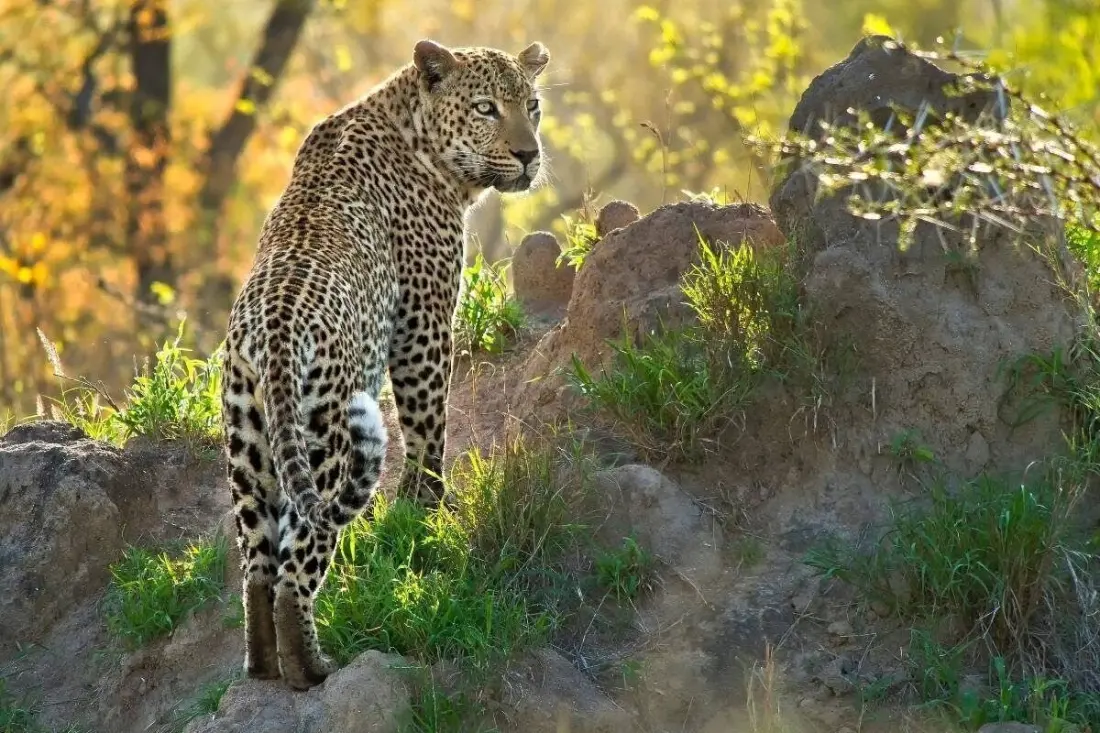
As SANParks points out, less vegetation and fewer natural water sources in winter mean animals gather around rivers, dams and waterholes, making them far easier to spot from the park's road network. Days are warm, nights are cold, and the sparser bush offers predators less cover. The late dry season — August and September in particular — is when conditions are at their driest and wildlife most concentrated. That's when your chances of seeing lion, leopard, elephant, rhino and buffalo peak, alongside giraffe, zebra, hippo and a long list of antelope.
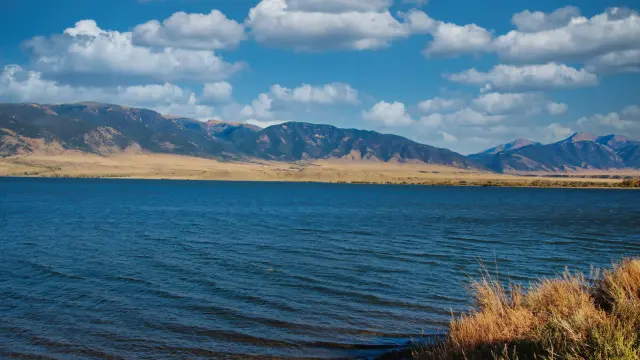
The green season from October to March is a different park altogether. Summer rains transform the landscape into lush, vibrant bush with water everywhere — which means animals disperse and hide in thicker vegetation. Sightings take more work. The trade-off is substantial, though: summer is superb for birdwatching (the Orpen area is noted for its raptor sightings), and you have a decent chance of spotting young animals. Photographers often prefer the dramatic skies and fresh greens of the wet months.
First-timers chasing maximum sightings should aim for June to September, with April and May offering very good viewing and pleasant weather as the bush dries out. But whichever month you pick, the clock matters as much as the calendar. Early mornings and late afternoons are the most productive for wildlife, when animals are active and temperatures cooler. SANParks runs guided morning drives that leave before the gates officially open, plus sunset and night drives for spotting nocturnal species. Self-drivers should set an early alarm — the first hours in the park often outperform the rest of the day.
One caveat: nothing is guaranteed. Kruger's animals roam freely, and even in peak season a quiet day is possible. That unpredictability is part of the appeal, and it's exactly why many visitors find themselves planning a return trip — the park in September and the park in December are almost two different destinations.
For anyone planning a first safari, the formula is straightforward: dry season for sheer volume of sightings, green season for scenery and birds, and early starts either way.