
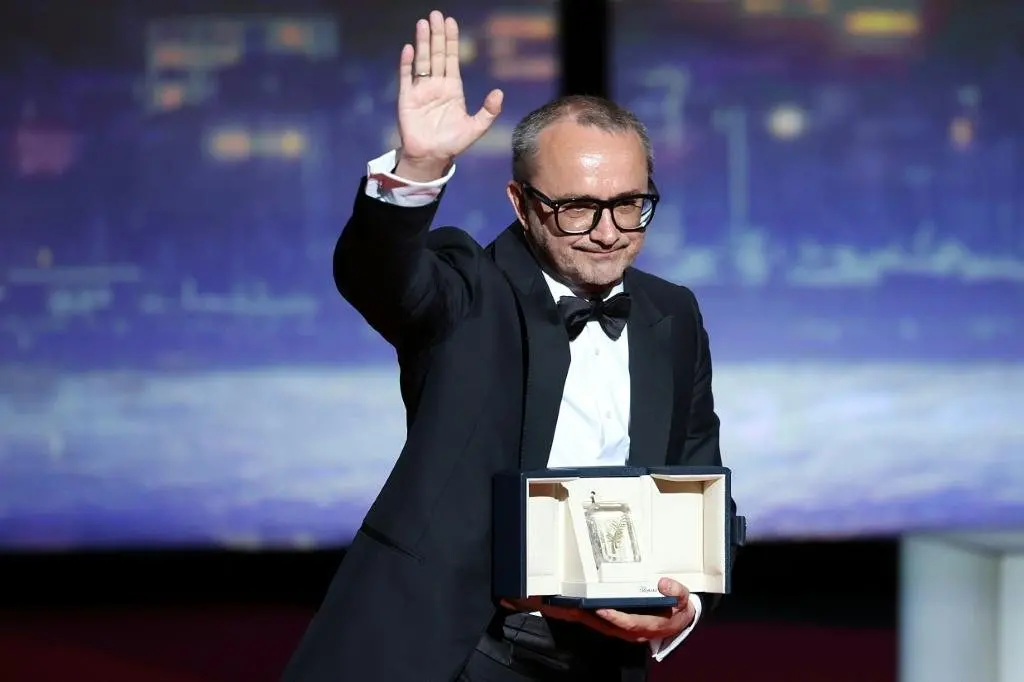
Russia has added film director Andrey Zvyagintsev to its registry of 'foreign agents', a designation the authorities use against critics of the Kremlin and the war in Ukraine. The announcement came from the justice ministry on Friday, just weeks after his latest film picked up one of the top prizes at the Cannes Film Festival.
Zvyagintsev, a 62-year-old Siberian-born filmmaker who has lived in France for years, won the Grand Prix in May for 'Minotaur', a dark drama that premiered on the Croisette. The story follows a provincial mini-oligarch in Russia who devises a toxic scheme to feed the country's war machine. The ministry justified the label by accusing him of spreading 'false information' about Russian authorities' decisions and policies, and noted that he has interacted with other foreign agents and lives abroad. He has not publicly responded.
His acceptance speech at Cannes in May had already signalled where he stands: he directly called on President Vladimir Putin to end the 'carnage', telling the festival audience that the whole world was waiting for that to happen.
The 'foreign agent' tag carries real consequences inside Russia. Anyone on the list is barred from holding public office and must register their activities with the authorities. Zvyagintsev is not the only filmmaker targeted — in March, Russia declared the co-director of the Oscar-winning documentary 'Mr Nobody Against Putin' a foreign agent on similar grounds. Since the invasion of Ukraine in 2022, legal proceedings have been opened against thousands of Kremlin critics.
Why does this matter to travellers? Partly because it shapes the cultural mood around events like Cannes, which each May turns the small French Riviera resort into the centre of the film world. Red-carpet premieres there are increasingly political, and films about Russia and the war — often made by exiled directors — have featured prominently in recent editions. If you're drawn to the festival, knowing the political currents behind the premieres adds context to what you're watching. It's also a reminder of the wider chill on artistic freedom in Russia, which affects museum shows, concert tours and film releases that travellers might otherwise encounter across Europe.