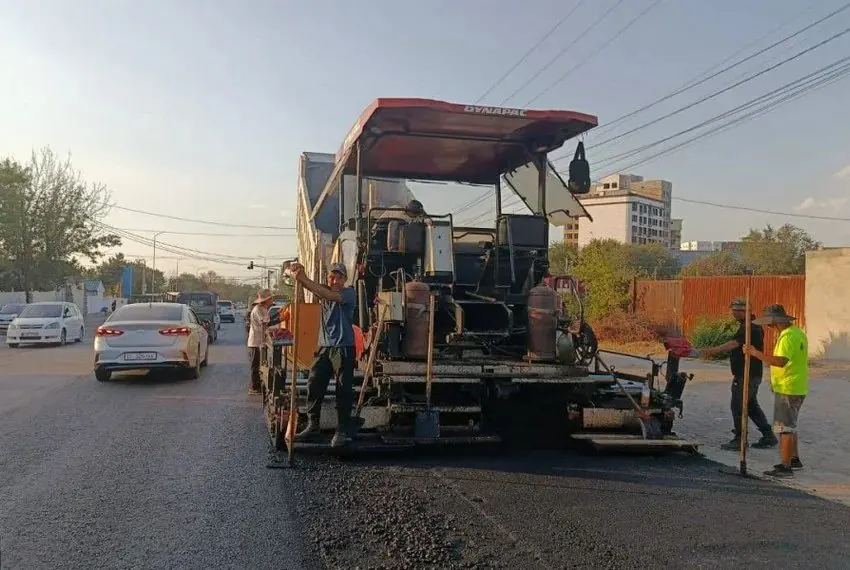
Kyrgyzstan's often battered roads are set for a helping hand. Japan is providing the country with a grant of 533 million yen — roughly $3.5 million — to buy modern road maintenance machinery, including road milling machines, soil stabilizers and rollers. The deal, agreed with the Japan International Cooperation Agency (JICA), was signed in Bishkek and now needs ratification by Kyrgyzstan's parliament before the money flows.
The equipment is aimed at repairing and reconstructing roads, including international transport corridors that cross the country. For anyone who has driven Kyrgyzstan's highways — where a stunning alpine vista can come with a generous serving of potholes — that matters. The country's road sector is running on fumes: about 35 percent of its existing machinery is out of service, and the overall need is estimated at more than 2,000 units.
The funding targets mountain roads in particular, where repairs are complicated by steep terrain and frequent landslides. These are precisely the routes travellers care about most — the roads linking Bishkek to destinations like Song Kol lake, the Torugart and Irkeshtam passes towards China, and corridors through to Osh.
There's an oddly specific detail in the project's explanatory note: because of the equipment shortage, crews have often just laid fresh asphalt over damaged sections without removing the deteriorated layers underneath. In some spots, the road surface has built up to 15 centimetres thick. New milling machines will strip away broken asphalt properly, strengthen road foundations and, in theory, make repairs last longer and go faster.
The government also notes the project requires no extra spending from the national budget — the grant covers it. Don't expect overnight changes, though. Parliamentary ratification and procurement will take time, so anyone planning a road trip through the Tian Shan in the near future should still budget for slow going on secondary routes.
For travellers, the takeaway is simple: Kyrgyzstan remains one of Central Asia's best-value destinations for self-drive trips, horse trekking and yurt stays, and this funding is a sign the country is investing in the infrastructure those trips depend on. If you've been waiting for a sign to plan that route around Issyk-Kul and into the mountains, consider this a gentle one — just check current road conditions before you go.