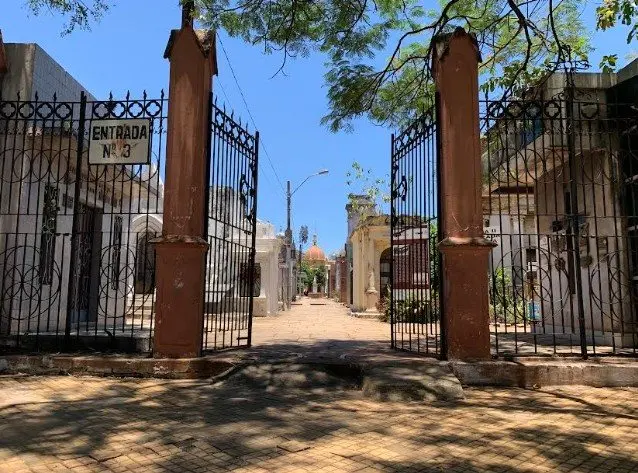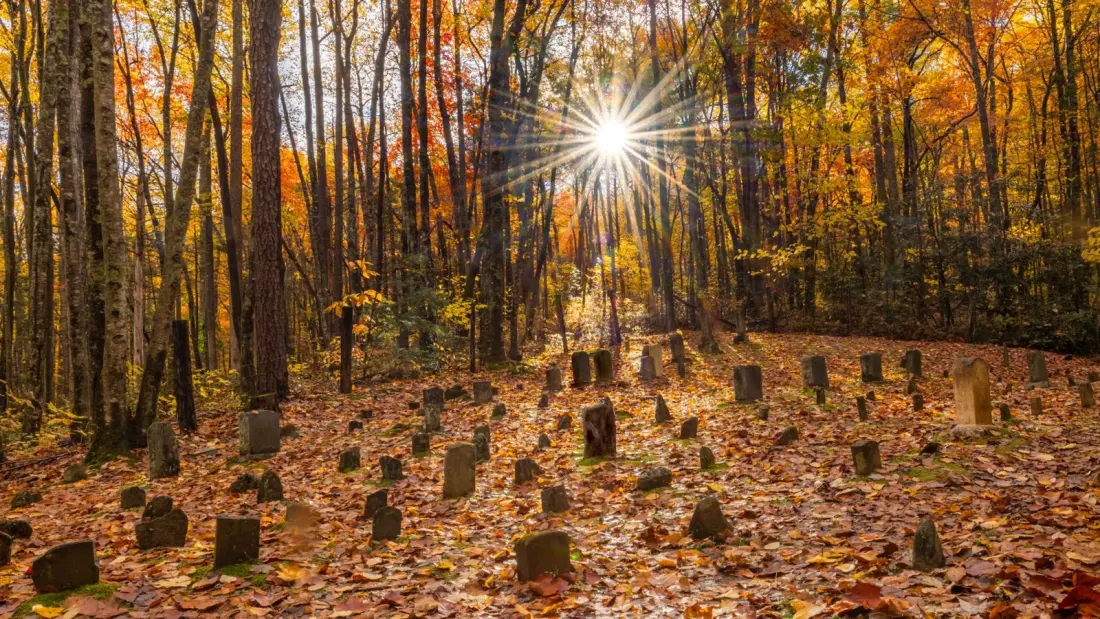
A quiet trend is growing in American outdoors culture: people are lacing up boots and heading into graveyards. A recent piece in Outside Online traces the rise of cemetery hiking, from a viral New York Times op-ed about swapping a beach holiday for a cemetery road trip to Portland's Drag Me Outside, a drag-led nature walk group whose inaugural outing through the historic Lone Fir Cemetery drew fresh attention this year. The writer tested it out on the Franklin Ghost Town hike near Black Diamond, Washington — a 2.5-mile round trip over the Green River Gorge Bridge to an abandoned coal-mining town, complete with a 1,300-foot mine shaft and an overgrown pioneer cemetery, with views of the Mt. Rainier area the whole way.
The key point for anyone tempted to roll their eyes: this is not a pumpkin-spice creation of social media. Americans have treated cemeteries as public greenspace since the Victorian era. Mount Auburn Cemetery in Cambridge, Massachusetts, consecrated in 1831 and designed by horticulturalists, predates Yellowstone's designation as the first national park by more than four decades. Early garden cemeteries effectively were the first urban parks — places where city dwellers went for fresh air, picnics and community.
There's science behind the appeal, too. A 2017 study by Norwegian researchers found that time in an Oslo cemetery felt restorative in much the same way as time in forests or other greenspace. And ecologically, urban cemeteries punch above their weight: a 2019 meta-analysis in Global Ecology and Conservation highlighted their value as refuge for migratory birds, urban predators, fungi and native plants.
What does an actual cemetery hike feel like? The writer describes it as contemplative — fellow hikers included a family drawn to the quiet and the greenspace, and an eleven-year-old ghost enthusiast convinced she'd heard cries from a shaft opening. In Franklin's blackberry-choked cemetery, timeworn wooden graves of miners (37 died in an 1894 fire there) prompt thoughts about how briefly any of us leave a mark. Time spent among the dead, the writer suggests, has a way of leveling time and space.
Why should travellers care? If you enjoy walking, history and a bit of solitude, historic cemeteries are an underused free resource in cities and old mining districts alike — often with mature trees, notable architecture and local stories you won't find on a standard trail. Pack comfortable shoes, keep a respectful tone around graves and recent mourning visitors, and you've got a low-cost half-day outing that doubles as a nature walk and a history lesson. Ghost-hunting kids welcome, apparently.