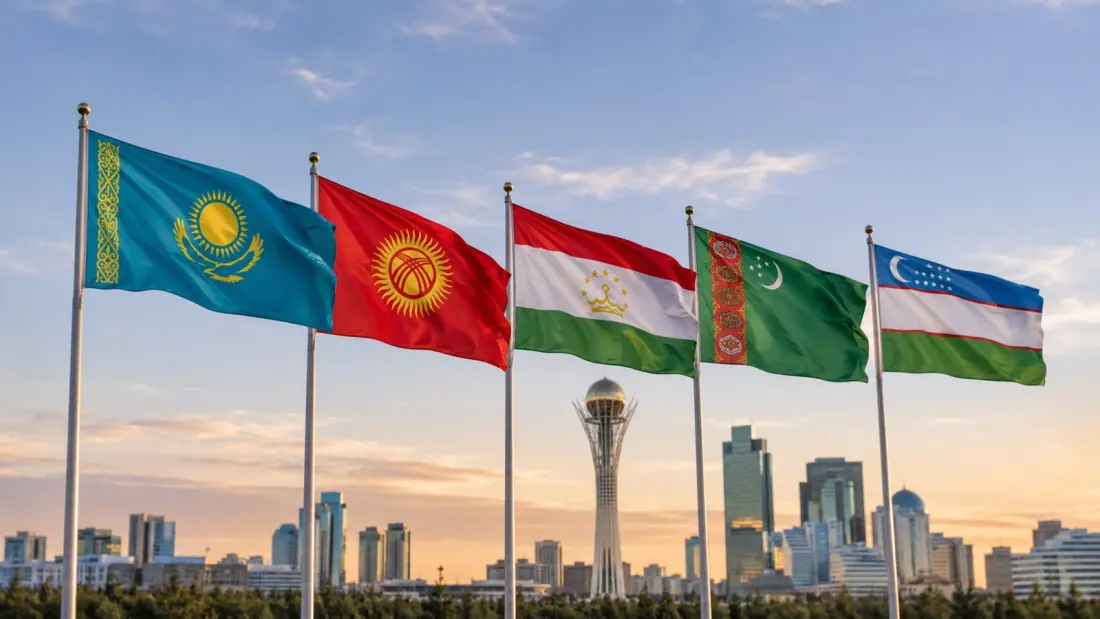
For decades, the five Stans were described almost entirely through other people's lenses: Russia's historical ties, China's Belt and Road corridors, Western interest in energy and security. Now, analysts and the region's own governments are pushing back, arguing that Central Asia should be understood on its own terms — a shift with real consequences for how the region opens up to visitors.
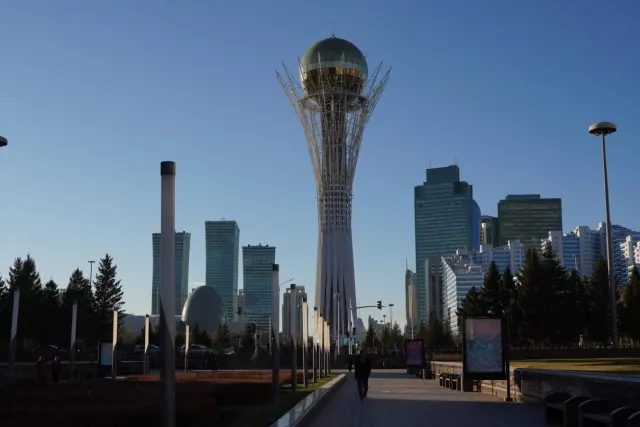
Speaking in Astana, political analyst Murad Shamilov described a move from reactive foreign policy to deliberate, independent positioning. Formats like Central Asia–China, Central Asia–EU and the C5+1 have given Kazakhstan, Kyrgyzstan, Tajikistan, Turkmenistan and Uzbekistan new channels to coordinate priorities, alongside growing regional consultations that now sometimes include Azerbaijan.
Not everyone thinks visibility equals influence. Filippo Costa Buranelli of the University of St Andrews acknowledged real progress in building a shared regional identity over the past decade — one rooted in sovereignty, non-interference and diplomacy — but cautioned that outsiders still tend to frame the region as a resource hub, a transit corridor or a strategic buffer. Labels like the "New Great Game" and "backyard of the great powers," he argued, are increasingly out of step with how Central Asians see themselves: a place of traditions, ideas, growth and everyday ambition.
Temur Umarov of the Carnegie Russia Eurasia Center added a sharper point: too much analysis of the region starts with Washington, Moscow or Beijing rather than with decisions made in Astana or Tashkent. Regional elites, he argued, are actively using great-power competition as leverage — diversifying partnerships and negotiating better terms rather than simply being pulled along by them.
Why should a traveller care? Because a region that defines itself is a region that invests in being visited. The same diplomatic confidence driving joint infrastructure, easier regional dialogue and diversified international partnerships tends to spill over into smoother borders, better transport links and more proactive tourism promotion. The Central Asia being marketed today — Silk Road cities like Samarkand and Bukhara, Almaty's mountains, Kyrgyzstan's lakes — is increasingly presented by Central Asians themselves, not filtered through a superpower framing.
The analysts' consensus also hints at what kind of trips work here: multi-country itinerants are the natural fit, since the five states cooperate on shared interests without erasing their differences. Expect distinct visa rules, currencies and vibes in each country, even as regional coordination slowly smooths the edges. For now, Central Asia remains one of the world's genuinely under-visited corners — a status its governments are working hard to change.