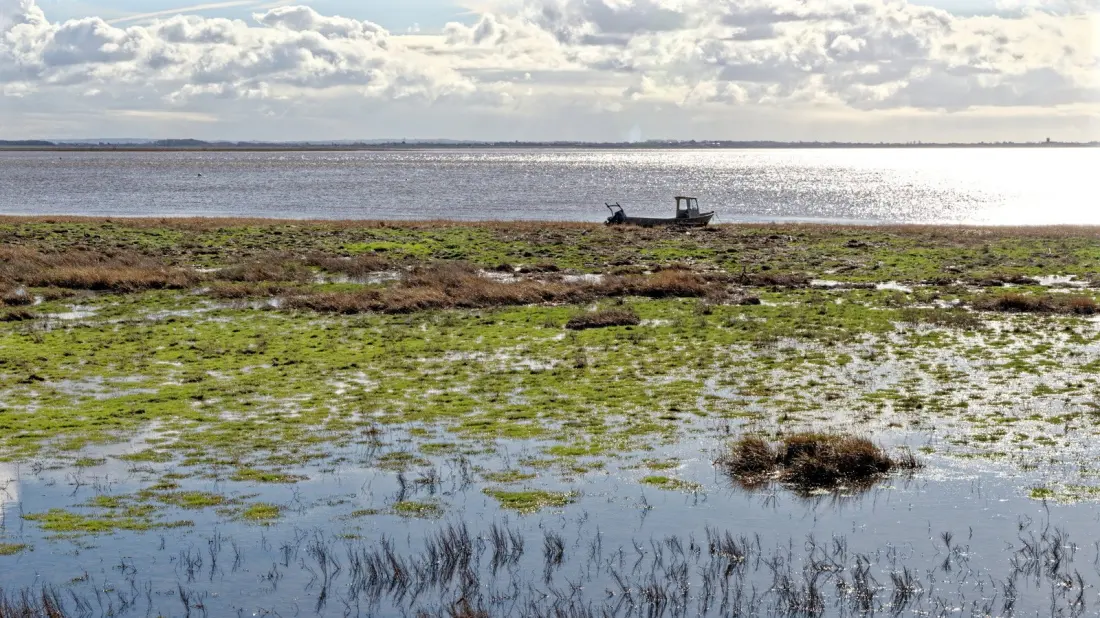
Seven miles south of Blackpool's neon and rollercoasters sits one of the UK's finest nature reserves, and most resort-goers never notice it. The Ribble Estuary, where the River Ribble meets the Irish Sea on the Lancashire coast, is a vast sweep of mudflats and saltmarsh with unbroken coastal views, flat walking trails, and some of the best birdwatching in Britain.
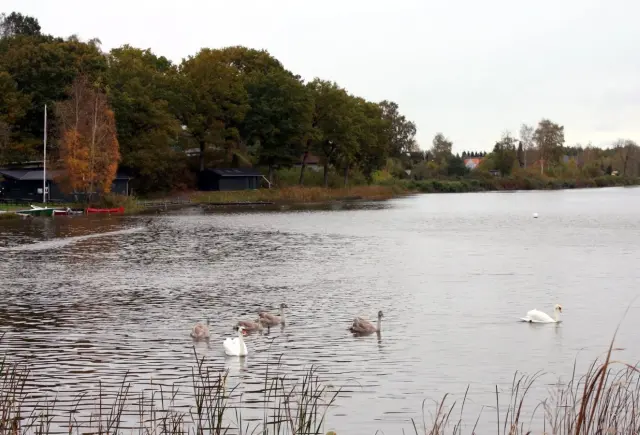
The estuary's ecological credentials are serious. Each winter it hosts around 340,000 waterfowl, making it arguably the most important wintering site for these birds in the UK. The mix of freshwater and saltwater supports the crustaceans and worms that wading birds feed on, and in winter you can expect pink-footed geese, wigeons, ducks and swans. Sandpipers and oystercatchers work the shoreline year-round, while Hesketh Out Marsh is the spot for redshanks and lapwings. In warmer months, look for terns, gulls, skylarks and linnets.
The walking is easy. There are no climbs here beyond the odd sand dune, so the trails suit anyone wanting a gentle day out. A good introduction is a nearly three-mile loop starting from Lowther Gardens in Lytham St. Annes, which traces a long stretch of estuary coastline and passes places to grab a snack. If you want more, the Lancashire Coastal Way and Lytham Hall Loop covers 6.5 miles through Lytham St. Annes and past Lytham Hall, a handsome 18th-century Georgian house. Dedicated walkers can take an 11.3-mile route from Preston along the river and across Hesketh Out Marsh, or commit to the 72-mile Ribble Way, which follows the Ribble all the way to its source in the Yorkshire Dales.
The setting is also a handy base. Lytham St. Annes has a paved seaside promenade with views over the river and wetlands, and Preston, about 11 miles east, offers walkable streets and riverside paths. It all makes for a striking contrast with Blackpool itself: same coastline, completely different pace. If Blackpool's illuminations and amusement arcades are your thing, the estuary is an easy morning escape; if they're not, it's reason enough to be in the area at all.
Bring binoculars, check tide times before setting out, and time a visit between autumn and spring if the wintering flocks are the draw. Just don't tell too many people — one of the estuary's best qualities is how quiet it stays.
Story via Islands.