A festival now in its third decade is turning a riverside village in eastern China into the focal point for anyone curious about the Yangtze. The 2026 Yangtze River Culture Festival opened on October 30 in Yonglian Village, in Zhangjiagang's Nanfeng Town, part of Suzhou in Jiangsu Province, and it runs until November 29 — a solid month of events timed for autumn travellers.
The timing matters: 2026 marks ten years since the Yangtze River Economic Belt initiative launched, and the festival leans into that, pairing culture with tourism to pull visitors into smaller cities along the river rather than just the big names. At the opening, Jiangsu unveiled its autumn and winter calendar of cultural events and visitor incentives under the banner "Charm of Jiangsu, Tides of the Yangtze," alongside ready-made itineraries linking the Yangtze River Delta's lesser-known cities by high-speed rail. Suzhou's 2026 East Asian Capital of Culture programme also featured, and new cultural and tourism project deals were signed on the day.
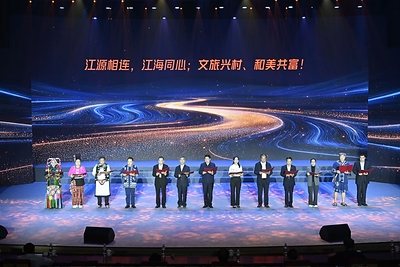
The opening ceremony itself was a nod to the river's reach: thirteen village Party secretaries arrived carrying water from their own stretches of the Yangtze, from provinces, autonomous regions and municipalities along its course, and the combined water formally opened the festival. The same thirteen communities signed up to a declaration on shared prosperity through rural culture and tourism — a sign that the festival's organisers want village-level travel, not just city breaks, on the map.
This is an annual fixture, running since 2004, with more than 200 activities staged over the years and a cumulative audience of over 500 million online and in person. The 2026 edition is organised under the theme "Integration, Promotion and Sharing" and splits into three strands: "Exploring the Yangtze," "Celebrating Yangtze Culture" and "An Open Yangtze."
For visitors, the practical draw is threefold. First, the high-speed rail itineraries make the Delta's smaller cities — the kind most foreign itineraries skip — genuinely easy to hop between. Second, there are RV camping exchanges along the river, an unusual way to see a country where road-trip tourism is still young. Third, the "Guardians of the Yangtze" market gathers living crafts, folk traditions and local food specialities in one place, which is about as efficient a culture-shopping fix as you'll find. Art lovers get something too: the Yonglian Art Museum opened two exhibitions, including a joint show of works from community collaborative art museums, "Art Without Borders."
Why should this be on a traveller's radar? Because Jiangsu's autumn and winter push is explicitly aimed at getting people off the Shanghai–Suzhou–Hangzhou conveyor belt. Zhangjiagang is roughly an hour from Shanghai and an easy add-on to a Jiangnan itinerary, and November is a pleasant month for it — cool, dry, and with late autumn colour along the river. If you're in the Delta this month, the festival gives you a ready-made reason to detour.