Colombia's Deputy Energy Minister Armando Jose Cuello has issued a stark warning: unless the country secures more generation capacity, it could run short of electricity by April 2027. For a country that millions visit each year for its Caribbean coast, coffee towns and Amazon gateways, the question is what this could mean on the ground.
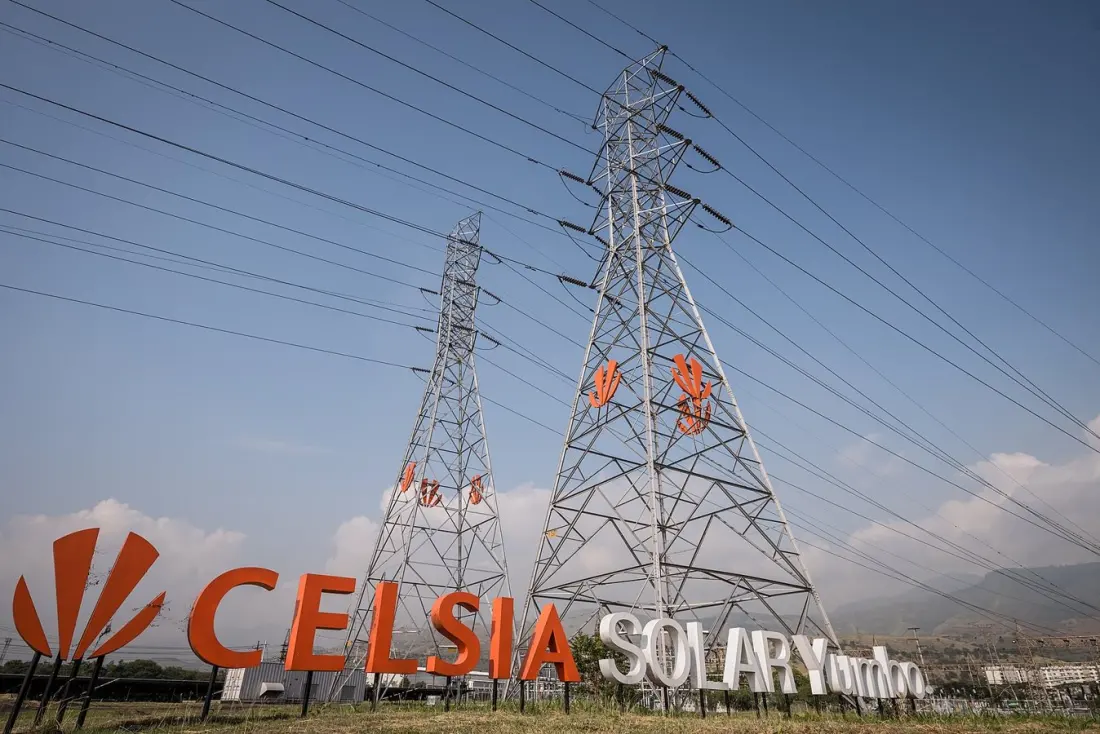
The heart of the problem is hydro dependence. A large share of Colombia's electricity comes from reservoir-fed hydropower plants, and the most intense phase of El Niño is expected to stretch into early 2027, bringing less rain, higher temperatures and faster depletion of water reserves. If daily consumption stays around 265 gigawatt-hours and the dry season bites, the system could struggle to meet demand, with February to April flagged as the most vulnerable window.
The backup plan leans on thermal plants burning natural gas and petroleum derivatives. Projections say thermal generation needs to average above 85 GWh per day through April 2027 to keep supplies stable — which depends on fuel actually being available. Compounding the risk, several generation and transmission projects have been delayed, so less new capacity will arrive in time, and even generated power may not reach every region if grid constraints persist.
The government is acting: maintenance schedules for major hydro plants are being staggered so key facilities aren't offline simultaneously, fuel supplies are being diversified, and campaigns are pushing more efficient electricity use. Officials stress that nationwide blackouts are not inevitable — but the margin for error is shrinking.
For travellers, the realistic picture is this: any shortfall would hit hardest in early 2027, and effects would more likely be localized rationing or strain on services than a country-wide shutdown. Hotels, restaurants and tourism businesses could face interruptions, and industrial or commercial disruption could ripple into everyday services. If you're planning a Colombia trip for February through April 2027, it's worth booking accommodation with backup generators, keeping expectations flexible, and checking local conditions closer to departure. Outside that window — and if the government's measures land — most visitors are unlikely to notice much at all.