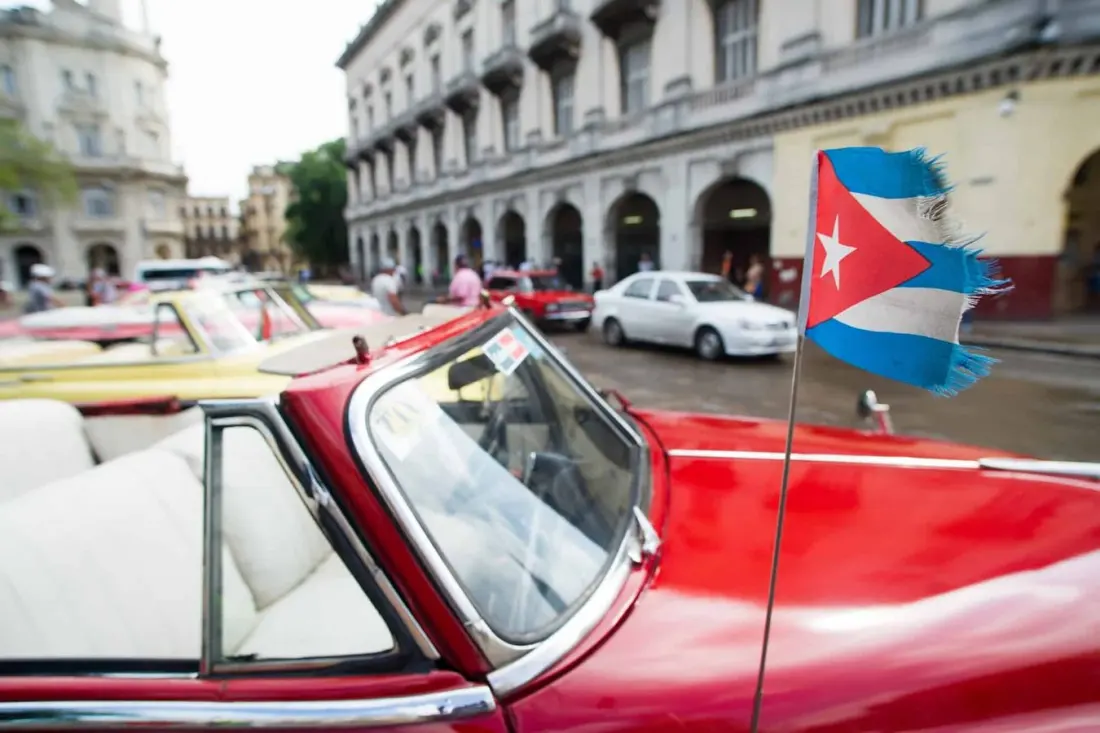
Costa Rica's break with Cuba is making headlines again, and this time the argument is over whether it even happened. Foreign Minister Manuel Tovar Rivera, speaking in Miami where he received a freedom prize from a Cuban exile organisation, declared that his country stands firm in its split with the Castro regime. Havana's response: nobody officially told us.
The paper trail is murky. Cuba's foreign ministry says Costa Rica sent a note on March 17, 2026 announcing the closure of its embassy in Havana and asking Cuban diplomats to leave San José — but that same note, signed by the then-foreign minister, explicitly stated this did not amount to breaking diplomatic relations. Costa Rica's public communiqué the next day didn't mention a formal split either. Tovar then announced the rupture to a South Florida news outlet rather than through diplomatic channels, which Havana read as bending to Washington. He denies receiving any instruction from the US, though his meeting with Secretary of State Marco Rubio days before the announcement has fuelled criticism at home, where Costa Rica's Communist Party has accused the government of subservience to American interests.
This isn't the first rupture. Costa Rica cut ties with Cuba in 1961 and restored them in 2009 under President Óscar Arias — a move Tovar now calls a mistake. He says the current break holds until Cuba is free.
For travellers, the practical picture is calmer than the political noise suggests. Cuban citizens in Costa Rica — a community of roughly 10,000 to 15,000 — keep full consular services, since consular and administrative staff remain in place under the Vienna Convention, which allows consular relations to survive a diplomatic break. Costa Ricans visiting or transiting Cuba are the ones affected: they're now routed through the Costa Rican embassy in Panama for any paperwork or assistance. Tourists of other nationalities travelling between the two countries are largely unaffected on the ground, though anyone needing embassy support in Havana should note the Costa Rican mission there ceased operating on May 1, 2026.
Why should a holidaymaker care? Mostly if you're Costa Rican, Cuban, or a dual national moving between the two countries — the rules of who helps you, and from where, have shifted. It's also a reminder that Central America-Caribbean itineraries can carry bureaucratic wrinkles that change with little warning, so checking your country's current consular coverage before booking a two-country trip is worth ten minutes. For everyone else, this is background politics: San José's cafés, cloud forests and beaches aren't going anywhere, and neither are Havana's.
The story, reported by The Tico Times, is still developing — Costa Rica hasn't published any new diplomatic note superseding the March communication, so expect both governments to keep arguing about what they actually agreed to.