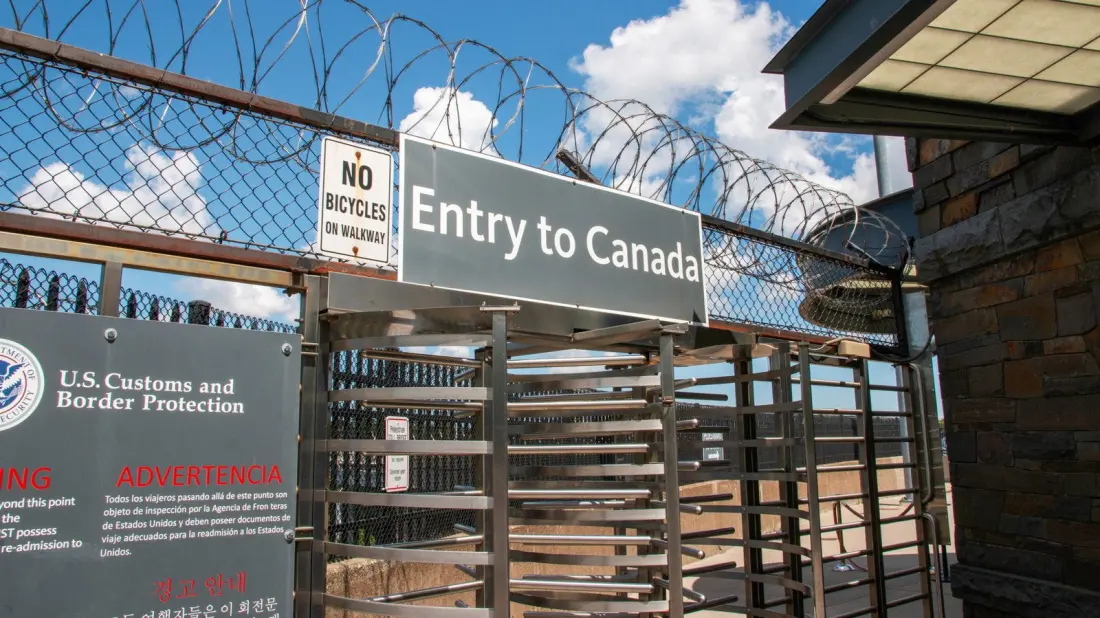
Driving into Canada is easy enough — a valid passport, a friendly chat with the border officer, and you're off to Whistler, Banff or Vancouver. But travellers coming from the U.S. regularly get caught out by items that are perfectly legal at home yet restricted on the Canadian side of the line. Some of them are genuinely surprising.
The strangest one: baby walkers. Canada has banned them outright since 2004 because of injury data, making it illegal to import, sell or even advertise them. Cross the border with one and it will be seized. Playpens that meet Canadian labelling rules are a legal substitute, and the government's consumer goods page spells out what qualifies.
Cannabis is the trap most Americans fall into. It's been legal in Canada since 2018 (up to 30 grams dried) and it's legal in many U.S. border states, but bringing it across is a criminal offence in nearly all cases. That includes edibles, CBD oils and creams, and extracts — not just dried flower. Medicinal users need authorisation from Health Canada, exemptions are rare, and you must declare cannabis in every circumstance or face stiff fines.
Food rules catch people out too. Most groceries for personal use are fine, but pork from countries with African swine fever is confiscated, and poultry products generally need to be retail-packaged with a "Product of the USA" label — so homemade or restaurant dishes containing chicken may not make it. Baked goods, dairy, seafood and eggs are allowed only up to around 20 kilos. Everything, including permitted food, must be declared.
Campers take note: firewood is heavily restricted to stop invasive pests like Dutch elm disease and the gypsy moth spreading into Canadian forests. Permits and inspections can apply, and there are even limits on moving wood between provinces. The simple fix is buying local firewood at your destination.
Bringing your own boat? Vessels aren't banned but can be quarantined for decontamination if they're not completely dry and clean — zebra and quagga mussels are the current worry, and their larvae can survive in standing water for up to 30 days. Wash your boat before you go or you risk being turned away or losing it to a cleaning facility.
Finally, weapons. Firearms can enter Canada with a declaration, a valid reason (hunting, competition, repairs) and the right permit, which functions as a visitor's licence. Restricted-status guns need extra paperwork. And it's not just guns — border officers routinely seize brass knuckles, switchblades, concealed blades and, yes, even ninja throwing stars.
The pattern here is straightforward: when in doubt, declare it. Withholding information can mean fines on top of confiscation, while declaring a borderline item usually just means a conversation and possibly a handshake goodbye to that item. Check the Government of Canada and CBSA websites before packing — the restricted list changes, and a few minutes of research beats losing your gear at the booth.