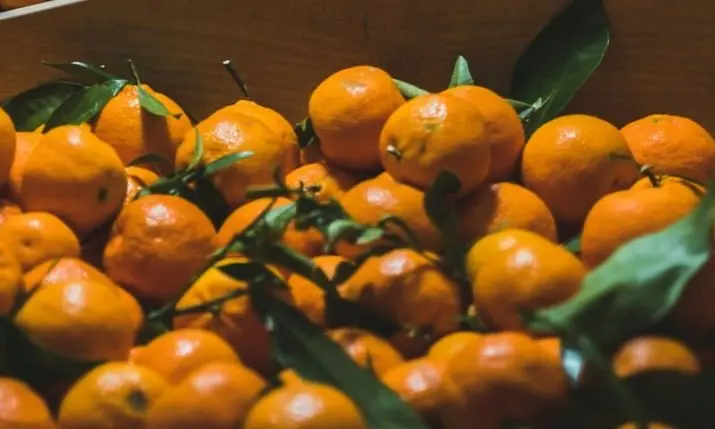
Autumn in Croatia's Neretva Valley means one thing: mandarins. The annual harvest has begun in the country's most important citrus-growing region, but 2026 is shaping up to be a tougher year than most.
Growers expect between 35,000 and 40,000 tonnes of fruit this season, down from last year, after drought and high temperatures took their toll on the groves. The upside? Quality hasn't suffered. Producers report good sugar and acidity levels, so the fruit should taste as good as ever — even if some mandarins are being picked before they've fully turned their signature orange.
The bigger headache is the Mediterranean fruit fly, one of the most serious citrus pests in the region. Around €1 million has been set aside to fight it, including a programme using the sterile insect technique — releasing sterilised flies to shrink the pest population over time. The first batches are due to arrive within days, with Dubrovnik-Neretva County involved in the rollout, and the Agriculture Ministry says it's already planning earlier interventions next year.
Growers are also short of hands for the harvest, and competition from imported fruit continues to loom over the domestic market. Still, the purchase price has risen to around €0.65 per kilogramme, about 10 cents more than last year, and producers are confident their fruit can hold its own on quality. At Zagreb's main market, local mandarins were selling for roughly €2 per kilogramme, though prices vary by seller.
Why should travellers care? If you're in southern Dalmatia between October and December, the mandarin season is a genuine local experience. Roadside stalls across the Neretva Valley sell fruit picked hours earlier, often cheaper and more aromatic than anything shipped north. Some growers offer orchard visits and tastings, and the valley itself — a flat, green delta of channels and citrus groves between the mountains and the Adriatic — makes an interesting detour between Split and Dubrovnik. Buying a bag from a roadside stand directly supports growers facing one of their most difficult seasons in years.
The season's mix of weather stress, labour shortages and pest control will be watched closely by both growers and shoppers, but for now the fruit arriving at Croatian markets is reportedly as tasty as ever.