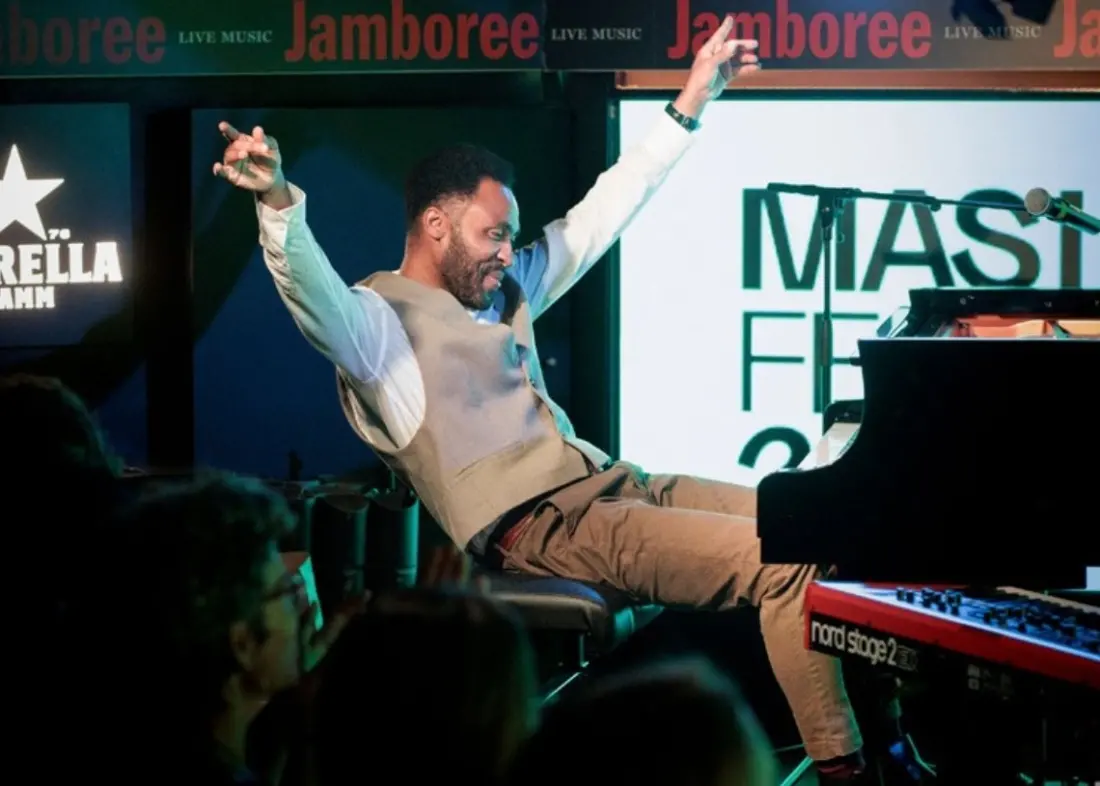
Every January, the Jazz Plaza International Festival turns Havana into Cuba's music capital — the largest gathering of its kind on the island, drawing hundreds of foreign artists alongside an even bigger roster of Cuban musicians. Among the returnees each year is pianist Dayramir González, and his story explains as much about Cuba's jazz scene as about the festival itself.
González made history in 2010 as the first Cuban to win the Presidential Scholarship at Berklee College of Music, and he has been based in New York ever since. Before that, he had already won the JoJazz competition — long the proving ground for young Cuban jazz talent — and released his debut album, Dayramir & Habana enTRANCé, which picked up three Cubadisco awards. This year he performed several times at Jazz Plaza with different ensembles, ran workshops in art schools and closed the festival with a February 1 concert in the Covarrubias Hall of the National Theatre, a tribute to legendary bandleader Arsenio Rodríguez, marking what would have been his 115th birthday. The project also includes an album and documentary.
The choice of subject matters: González calls Rodríguez the true architect of the salsa sound, the man who added piano and congas to the traditional son septet and expanded the trumpet section to create the ensemble sound that later fed both New York salsa and Cuban giants like Chucho Valdés and Irakere. For younger audiences, he says, it's a chance to understand the roots of contemporary Cuban music.
González doesn't just perform at Jazz Plaza — he helps shape it. He has brought top American pianists including Emmett Cohen, Aaron Goldberg and Christian Sands to Havana, partly so Cuban audiences hear them, partly so US musicians experience firsthand how the island's young players are developing. He's candid about Cuba's creative health: talent is abundant, he says, but what's missing is global distribution — major-label platforms that can carry the catalogue beyond the island.
His annual return is more than nostalgia. Each year he commits to three or four big projects, always reserving one for Havana. "New York is a place of work and Havana is my home," he says — a sentiment many Cuban artists abroad share, and the reason Jazz Plaza doubles as a homecoming.
For travellers, this is the angle worth knowing: Jazz Plaza isn't a tourist event with music attached, but a genuine cultural reunion where you can hear world-class jazz in intimate venues alongside locals for whom it means something. Sessions, workshops and late-night sets spill across Havana during the festival week, and the atmosphere is welcoming rather than gated. Note that the classic venues González grew up with — La Zorra y el Cuervo and the Jazz Café on Paseo — have both closed, so check current listings; part of the festival's appeal is discovering where the scene lives now.
If jazz is your excuse to travel, timing a Cuba trip to Jazz Plaza gives you the island at its most musical — and a rare chance to see artists like González play for the audience that shaped them.
OnCuba