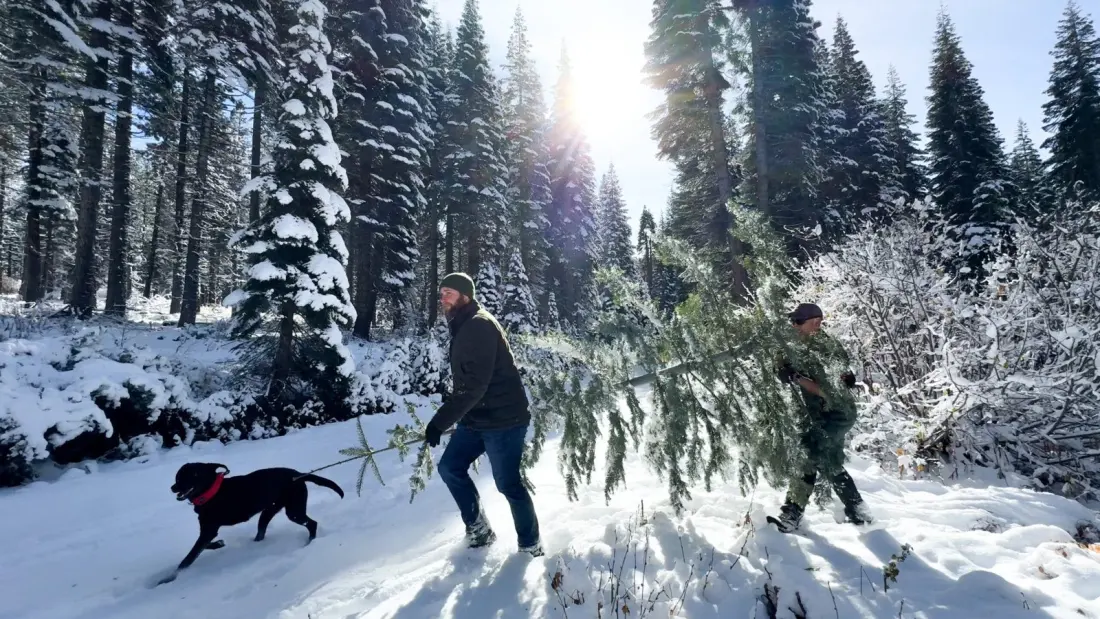
Forget the dry tree lot on the corner of the high street. Cutting your own Christmas tree — saw in hand, family in tow — is having a proper moment, and it turns out the tradition is a genuine win for the environment too.
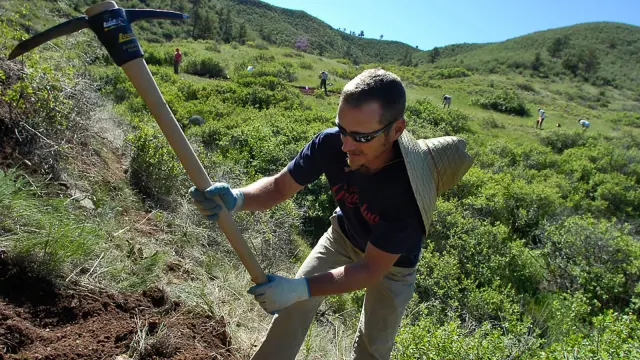
The cheapest route into the woods is the U.S. Forest Service Christmas Tree Permit Program, which lets roughly 300,000 people a year trek into a designated national forest, fell a tree with a hand saw and haul it back themselves. Permits run just $5 to $20, and the conservation logic is sound: cutting the small, crowded trees that act as 'ladder fuel' in wildfires helps the bigger trees thrive, which is exactly the thinning work agencies otherwise pay thousands of dollars per acre to do. Olympic, Gifford Pinchot and Mount Baker-Snoqualmie national forests in Washington all offer permits. Just cut in designated areas, pick a tree that thins the crowd rather than a lone standout, and strap it to the roof with the trunk facing the windscreen so the branches lie with the wind.
Prefer a farm? There are options for every style of festive outing. John T. Nieman Nursery near Cincinnati draws about 5,000 families a season, with free hot chocolate and a Christmas shop thrown in. Red Barn Tree Farm near Boone, North Carolina grows 40 acres of Fraser firs next door to Linville Falls Winery — the family's own advice is pick your tree first, because the tasting room makes ceilings seem taller. Maple Row Farm in Connecticut has been growing trees for over a century and is famous for its tailgating scene, where regulars show up with food and drinks and make a day of it. In Texas, Spring Creek Growers offers trees up to 13 feet, plus hayrides, a treehouse, doughnuts with Santa and a kids' fishing event called Tinsel and Tackle.
There's a sustainability story on the farm side too. Crest Ranch in Santa Cruz, California — the state's oldest tree farm, operating since 1948 — uses 'stump culture', a coppicing method where the trunk and a branch are left behind so a new tree regrows from the same stump. Some stumps have regrown at least nine times. The farm survived the 2020 CZU Lightning Complex wildfire thanks largely to loyal customers who turned up and bought burnt trees in solidarity, though some fields remain closed this season. In New Hampshire, The Rocks Christmas Tree Farm sits on 1,400 conserved acres and has scaled planting from 7,000 trees a year to 2,000 due to warmer, wetter conditions. Florida's Shell's Christmas Tree Farm grows heat-tolerant varieties like blue ice cypress and Virginia pine across 20 acres, and Washington's Buttonwood Farm claims to be the state's only fully certified organic tree farm — and will even deliver your tree.
Why bother? Freshness, mostly. A tree you cut lasts far longer than one that was felled a month or two before hitting the lot — just measure your ceiling first, and check for stowaway squirrels before bringing it indoors.