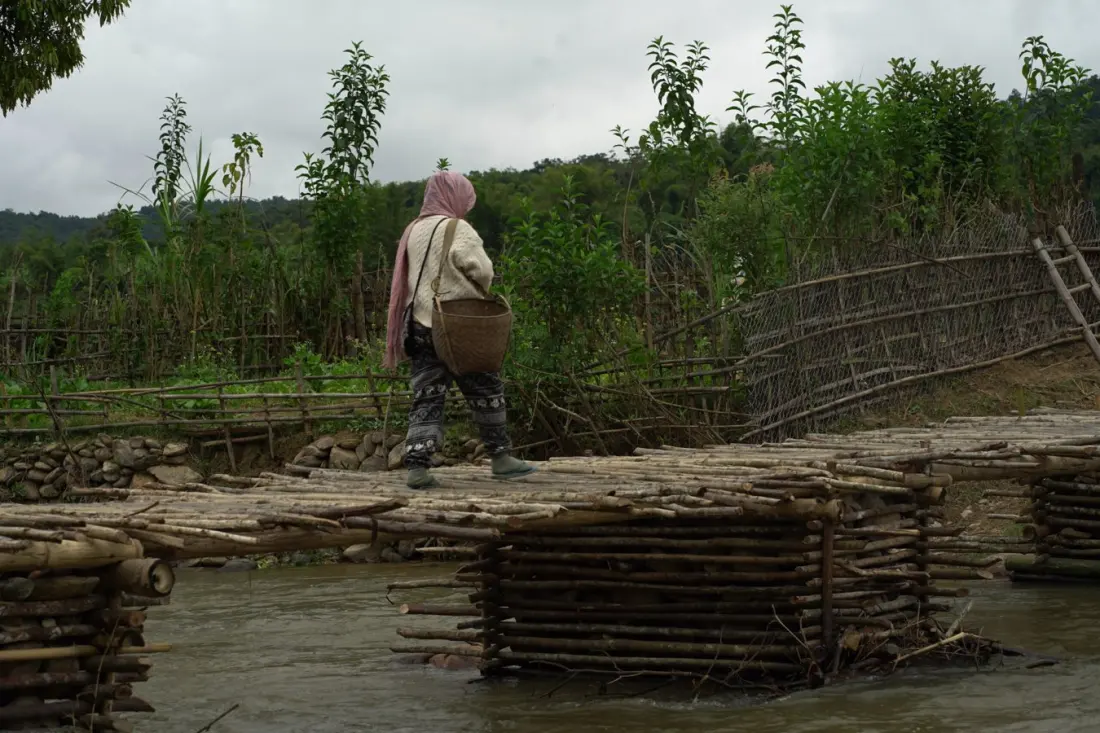
A reservoir breach at a rare earth mine in northeastern Laos has left at least three villages along the Nam Vaen River without a usable water source, and more than three weeks later residents still don't know what's in their water.
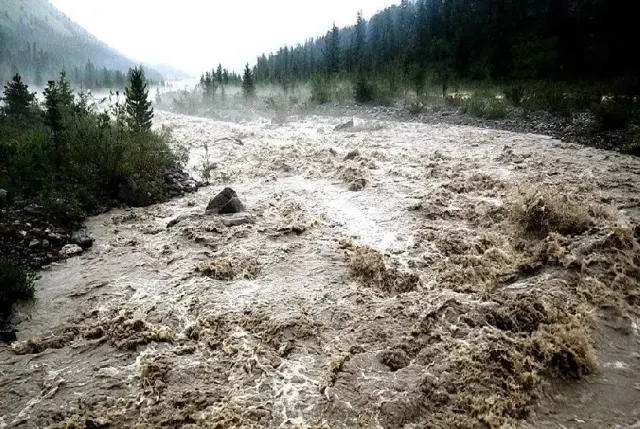
The breach happened around 2 AM on 2 November at a site run by Laos-China Rare Mineral Development Company North 2 in Thabpheung village, Xamneua district. Authorities blame heavy rain for sending soil sliding down a mountainside into the reservoir, releasing over 1,000 cubic metres of muddy water into the Duangdom Stream and then the Nam Vaen River. The surge also cut water supply pipes and eroded the embankment.
The consequences for people downstream were immediate. Village chiefs ordered residents of Meuangvaen, Nakao and Nakhoun to stop using river water on 3 November. In Meuangvaen alone, more than 150 fish reportedly died over four days in early November, and by mid-month residents in Nakao were posting videos of dead ducks on the riverbank, saying fish were still dying as of 21 November. The three villages paid out of pocket to pipe water from a smaller stream to the north, but say it isn't enough for drinking, farming or livestock.
The official response has been slow. Provincial authorities suspended mining on 13 November, but as of 27 November water test results hadn't been released, and the company hasn't paid any compensation for this year's incident. An inspection team four days after the breach reported highly turbid water 900 metres from the site but concluded the aquatic ecosystem hadn't been severely damaged and said it had received no reports of dead aquatic animals — a claim at odds with what villagers documented.
There's history here, too. The rare earth project, covering 5 square kilometres of mining and processing plus a 45-square-kilometre exploration zone across Houameuang and Xamneua districts, launched in 2022. In early 2024, villagers alleged chemical discharges had polluted streams and affected 36 villages, killing fish and livestock and causing skin rashes. Mining was briefly suspended that March, but residents claimed work continued anyway. By October 2024 a National Assembly member from the province was calling for a halt to new exploration approvals. Two ponds at the Thabpheung site breached less than a month after her remarks.
Why does this matter to travellers? Houaphanh is one of Laos's most remote and least-visited provinces — a draw for independent travellers heading to Vieng Xai's cave sites or trekking in the mountains — and tourism there depends on exactly the kind of village homestays and river-based life this incident disrupts. If you're planning to travel in Houaphanh, keep an eye on local advisories, be cautious about eating freshwater fish in the area until testing results are published, and know that your hosts may be dealing with serious water shortages. The story is also a useful window into the real tensions around resource extraction in rural Laos, where the pace of mining is outstripping environmental oversight.