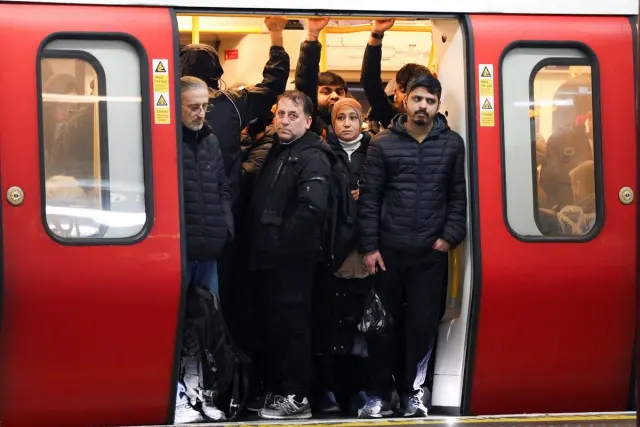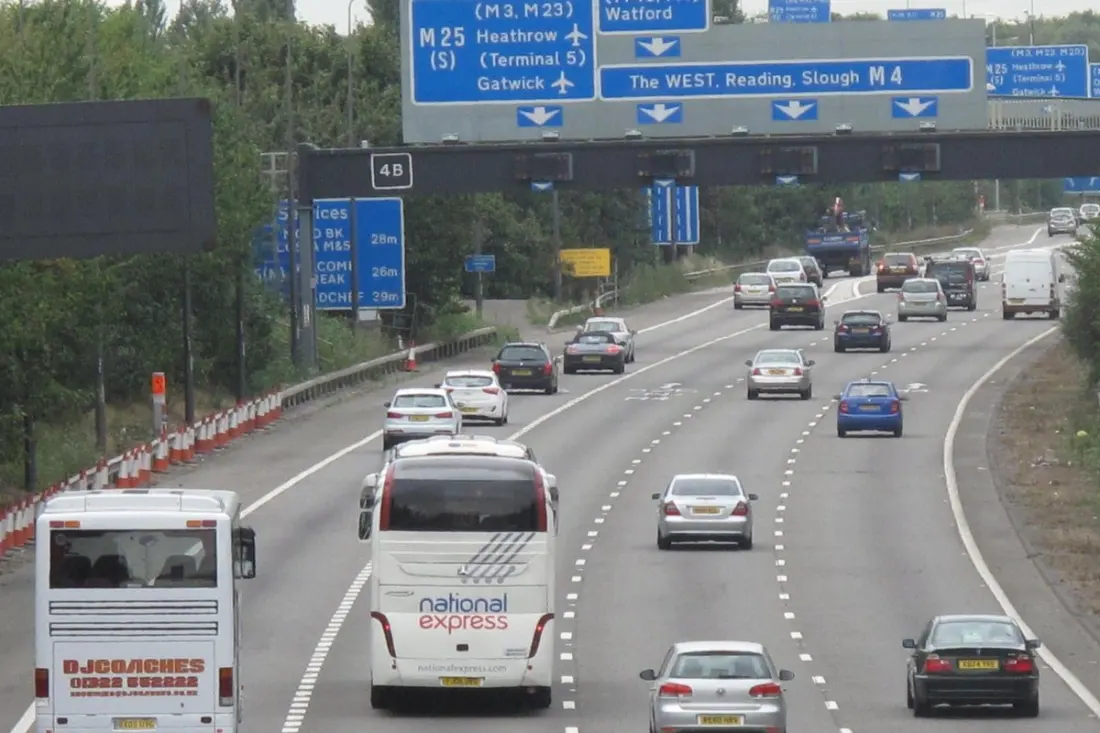
Heathrow's long-gestating third runway is back in the spotlight, and the sticking point this time isn't noise or carbon — it's traffic. Ruth Cadbury, chair of the Commons Transport Committee, has told MPs there are 'no clear plans' for how the M25 and M4 will cope once the expanded airport sends millions of extra passengers and staff onto London's already overloaded motorways. Her blunt warning: the roads risk becoming 'Europe's largest car park'.
The committee has been scrutinising the government's draft Heathrow expansion national policy statement — the rulebook any formal planning application will have to satisfy. Heathrow is currently consulting on its proposals ahead of submitting them for approval. On paper, the scale is huge: annual take-offs and landings would rise from roughly 475,000 to as many as 756,000.
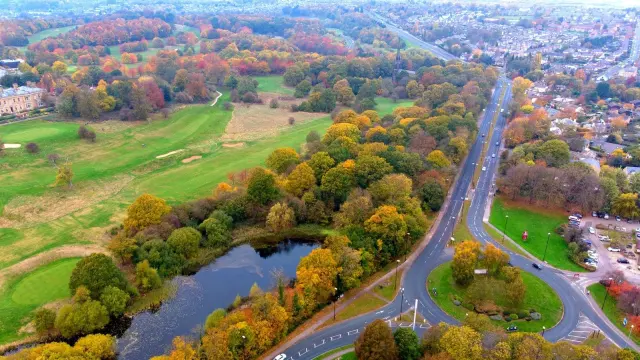
The engineering side is at least mapped out. The M25 near the airport would be shifted both horizontally and vertically, diving into a tunnel to pass beneath the new runway. The plans also promise to safeguard future rail links into Heathrow from the west and south — connections long promised but never funded.
That last point is where Cadbury's committee sees the gap. There's no detail on how those rail lines would be paid for, and no overarching UK aviation strategy against which Heathrow's role can be judged. The Transport Secretary, Heidi Alexander, had herself insisted that expansion must not clog the M4 and M25, but the committee says the picture presented so far is incomplete and the concerns must be addressed before a final policy statement is designated.
The Department for Transport has responded that expansion can only proceed if it clears four tests: economic growth, climate, noise and air quality, and that it will weigh the committee's findings as it reviews consultation responses.
So what does this mean if you're a traveller? Not much changes immediately — no runway is being built tomorrow, and any planning process will take years. But the outcome shapes your future flying from London considerably. A third runway at Heathrow would mean more routes, more competition and potentially lower fares from the UK's biggest hub, especially long-haul. It would also mean years of roadworks around one of Europe's busiest motorway junctions, so anyone driving to the airport in the 2030s should budget extra time — or lean on the Elizabeth line and Heathrow Express, which already offer a car-free way in from central London.
For now, the message for passengers is simple: watch this space, and don't plan your next trip around a 756,000-movement Heathrow just yet. The consultation responses are still being reviewed, and the committee has made clear the transport funding question needs answering before anything gets the green light.