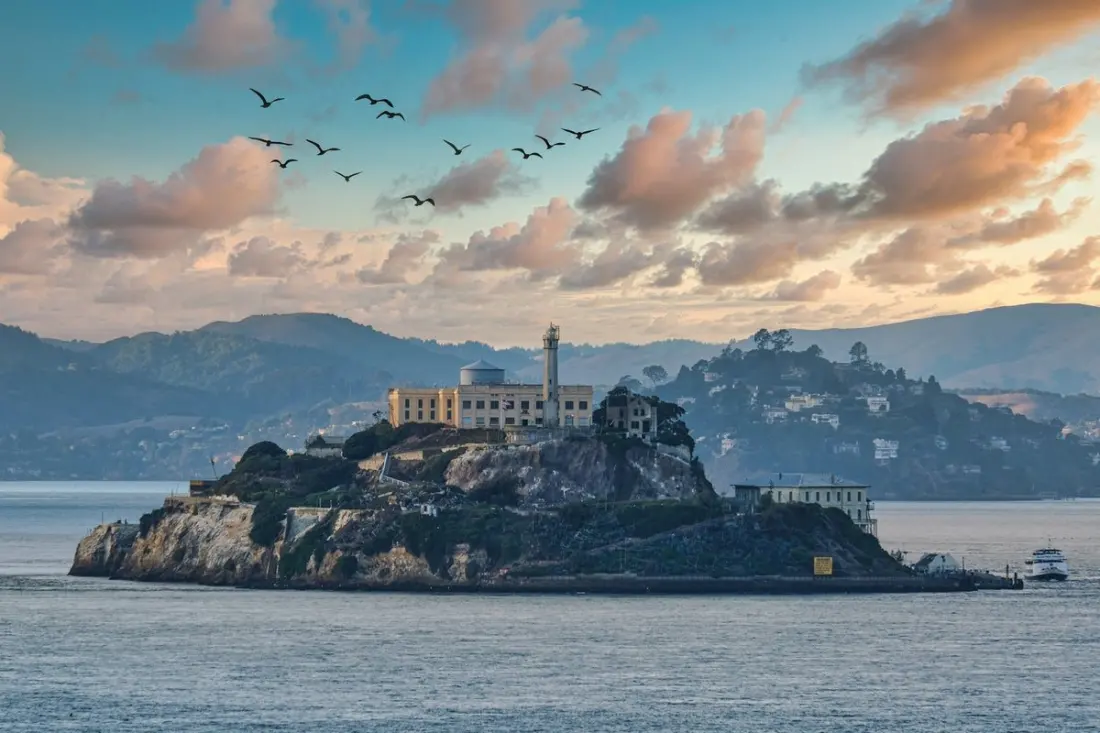
Nearly two million people walked through Auschwitz-Birkenau last year, Alcatraz draws around 1.2 million annually, and Hiroshima welcomed almost 15 million in 2025, the 80th anniversary of the atomic bombing. Travelling to sites tied to death and disaster — “dark tourism” — is not a niche habit. It's mainstream. The question is why.
The answer, according to researchers, is less morbid than most assume. Dr Duncan Light of Bournemouth University says studies have found virtually no evidence that visitors are driven by a ghoulish fascination with death. Instead, people go to learn about the past, pay their respects, stand where events happened, connect with family history, or understand places central to a nation's identity. Dr Philip Stone, who founded the Institute of Dark Tourism Research at the University of Central Lancashire, frames it as a kind of secular pilgrimage — and notes that although these sites focus on the dead, they arguably tell us more about life and living.
There are boundaries, though. Dark tourism doesn't mean slum tourism, war tourism or thrill-seeking “danger tourism”, and it certainly doesn't excuse selfies at Auschwitz. Site operators walk a constant line between commemoration and commercialisation, which Stone describes as an ethical minefield of “managerial dilemmas” and “political quandaries”.
The destinations themselves span the globe and centuries. Poland's Auschwitz-Birkenau museum preserves camp barracks and victims' belongings, with visits up seven per cent on the previous year. New York's 9/11 Memorial & Museum marks the 2,977 lives lost in 2001 plus six from the 1993 bombing, and has just opened a new exhibition marking the attacks' 25th anniversary. Ho Chi Minh City's War Remnants Museum documents the Vietnam War through photojournalism and artefacts, including two exhibitions on Agent Orange. Pompeii, frozen by Vesuvius in 79AD, now caps admissions at 20,000 a day after record crowds. Belfast's Crumlin Road Gaol, operational from 1845 to 1996, runs self-guided tours through its tunnels, condemned man's cell and execution cell. In Phnom Penh, the Choeung Ek Killing Fields and Tuol Sleng museum bear witness to the roughly two million lives claimed by the Khmer Rouge, while Kigali's Genocide Memorial memorialises Rwanda's 1994 genocide. Chernobyl, once a dark-tourism staple, is off the map for now — tours of the exclusion zone are suspended because of the war, and the UK Foreign Office advises against travel to parts of Ukraine.
Why it matters: dark tourism rewards travellers who show up with the right mindset. These are places for quiet, curiosity and respect — not entertainment. Read the context before you go, follow site rules on photography, and treat your ticket as an act of remembrance rather than a photo opportunity. Done well, it's some of the most meaningful travel you'll ever do.