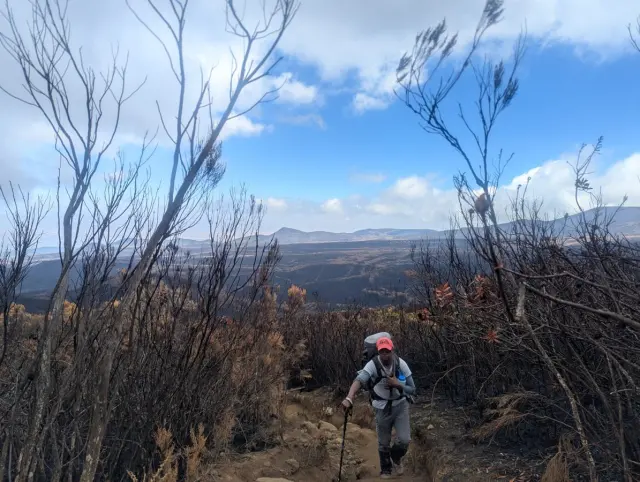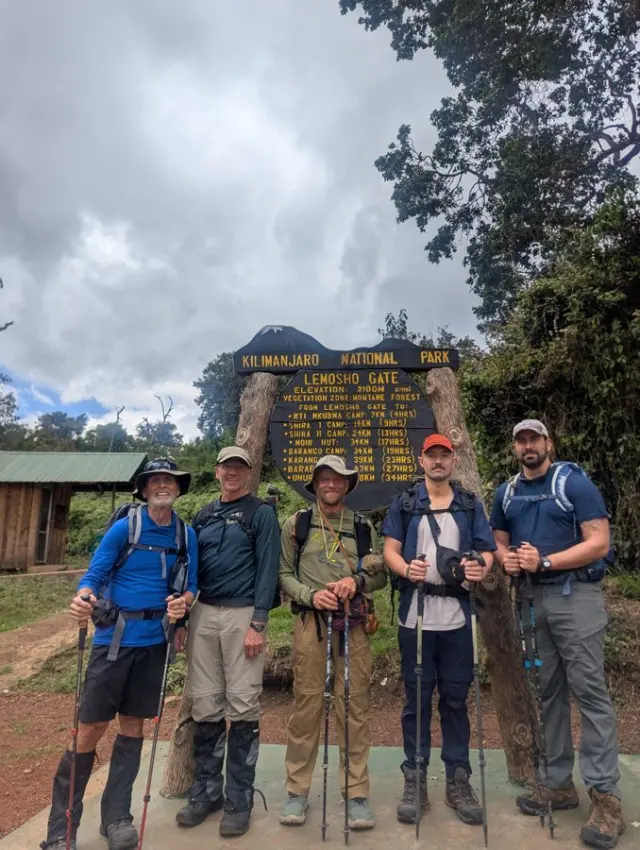
A Kilimanjaro trek diary from The Trek offers a candid look at one of the mountain's quieter, stranger days: the slow traverse from Shira Camp at 3,505m up to Moir Camp at 4,155m on the mountain's northern side. It's only about 6.6 miles with roughly 700m of climbing, but at that altitude, everything slows down — including the walkers.
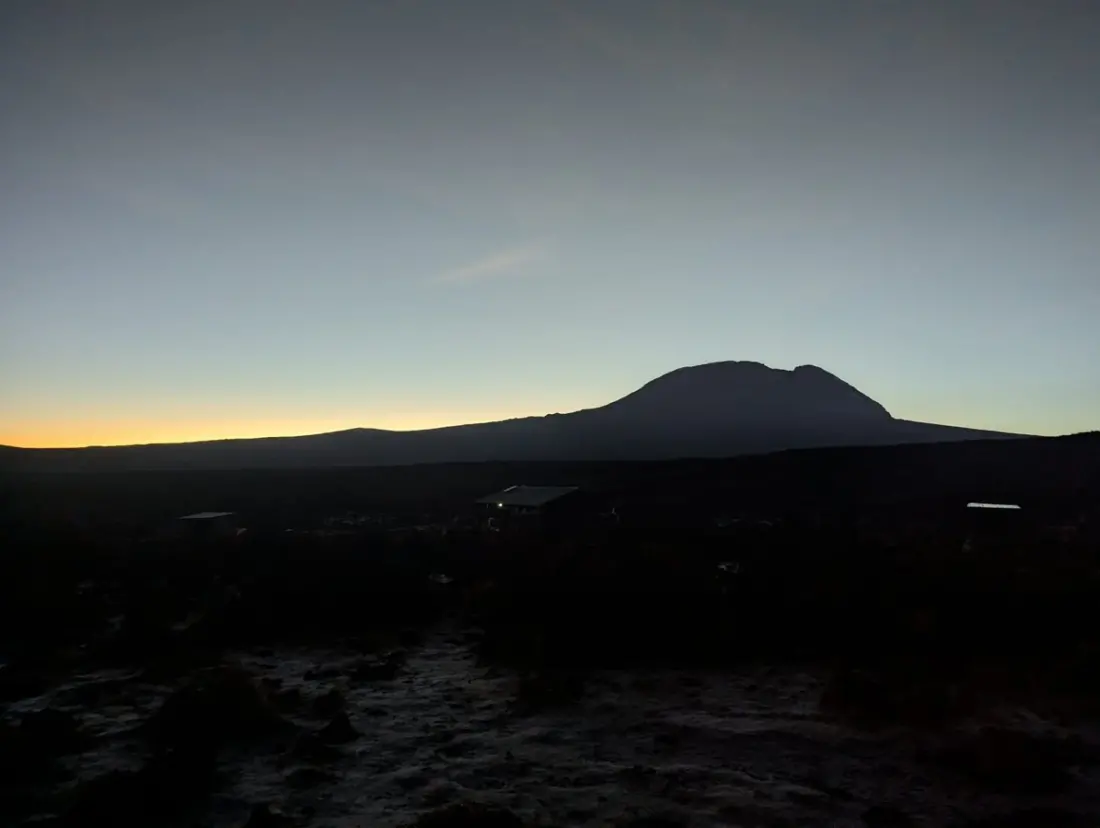
The day starts early and communally. The porters and guides sing and dance each morning, partly to motivate climbers and partly to loosen stiff legs before the trail. Our diarist, who takes Diamox (the altitude medication that doubles as a diuretic — expect 3am trips to the toilet tent), had been in bed at 8pm and up before 5:30. First reward: a clear view of the southern night sky, with Orion overhead and stars like Canopus that Northern Hemisphere hikers never get to see. Frost on the ground, though not on the tents.
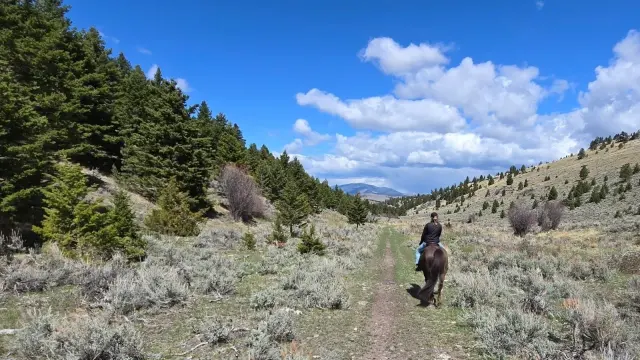
The morning itself is gentle — a flat walk across the Shira Plateau before the trail bends uphill toward Moir. Guides deliberately slow the pace with long breaks; on Kilimanjaro, "pole pole" (slowly) is the whole game. By afternoon, the group shows early signs of altitude: breathlessness on the climbs, one trekker forcing down lunch despite no appetite, blood-oxygen readings that vary wildly between people who feel fine.
Moir Camp is a highlight of the route precisely because it's quiet — only three groups overnight there. The standard routine follows: a nap, then a short acclimatisation hike up a ridge to about 4,235m, sitting around for half an hour before dropping back down. Climb high, sleep low — it works.
Then the short rains arrive. Late October sits on the edge of Kilimanjaro's wetter window (long rains run roughly mid-March to May; short rains hit November into December). Sure enough, three hours of steady rain soaked the tent's perimeter, and the diarist's improvisations are worth stealing: a towel to mop puddles, a rain jacket under the sleeping pad, everything zipped into dry spots, and a pee bottle to avoid midnight tent exits.
Two practical notes stand out. First, camps have proper toilet tents — tall affairs with a self-contained, manually pumped toilet — so no latrine-hole aiming required. Second, an honest criticism: trailside etiquette is poor on this mountain, with toilet paper left conspicuously near rocks. Bring a bag for your own waste paper and set the standard.
Also worth knowing before you go: connectivity on the mountain means one-way updates via a Garmin inReach. Family and friends are 7-10 hours behind, so don't count on real-time messaging mid-trek.
Why it matters: this account demystifies the middle days of a Kili climb — the days nobody photographs. It's the altitude management, the pacing, the damp tent and the crew's morning songs that actually decide whether you make the summit. For anyone weighing routes, a quieter camp like Moir on the northern circuits offers real solitude compared with the busier Machame corridor. Full credit to The Trek for the original account.