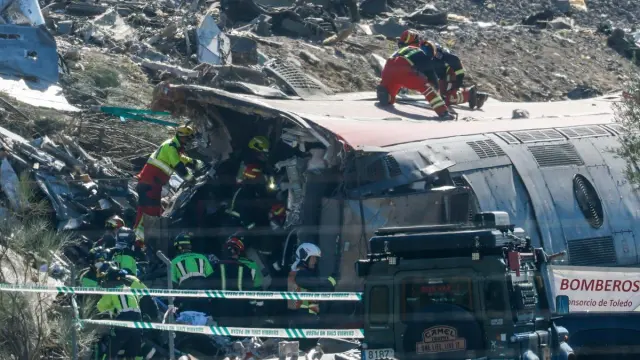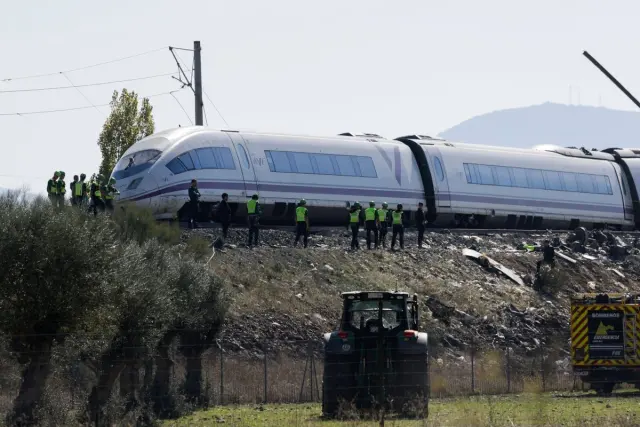
At least 68 people died and more than 50 were injured when a Madrid–Seville high-speed AVE service hit a stationary Iryo train near Urda station in Toledo province shortly before 9am on 28 October 2026. Carriages derailed and fell down an embankment in what is now Spain's second fatal high-speed rail disaster of the year, after January's crash at Adamuz in Córdoba.
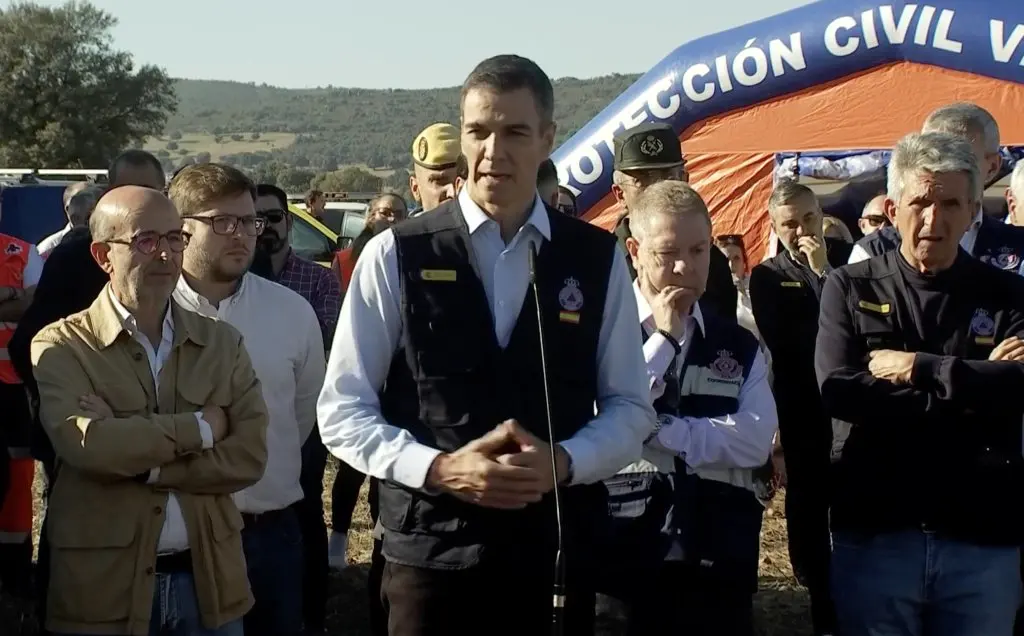
Prime Minister Pedro Sánchez, speaking at the emergency command post in Urda, declared three days of national mourning from 29-31 October and promised a full investigation. 'If there has been negligence, it will be uncovered; if there have been failures in the safety system, we will respond firmly,' he said, acknowledging that two major crashes in a single year is unacceptable for a country whose high-speed network is a point of national pride and a backbone of domestic travel.
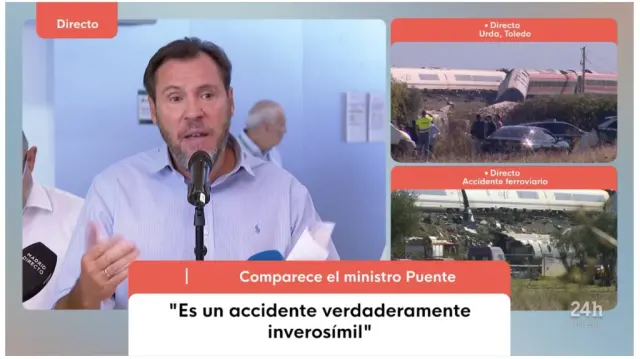
The immediate question is how two trains ended up on the same stretch of track. Transport Minister Óscar Puente told reporters at Adif's Atocha control centre that a computer fault had knocked out the LZB automatic train protection system, forcing controllers to manage traffic manually. The Madrid-bound AVE was then authorised to resume normal speed even though the Iryo was stopped several kilometres ahead. Puente stopped short of blaming human error, but the Guardia Civil has questioned the control-centre operator on duty, and the Railway Accident Investigation Commission (CIAF) is examining the crash alongside the courts.
Opposition leader Alberto Núñez Feijóo, speaking at People's Party headquarters, said grieving should not mean silence: 'Grief does not oblige us to remain silent.' He stopped short of demanding resignations on the day but pledged his party would press for answers about the state of Spain's rail infrastructure.
For travellers, the stakes are practical as well as emotional. The Madrid–Seville AVE corridor is one of Spain's busiest routes, carrying millions of passengers a year between the capital and Andalusia, with onward connections to Málaga, Córdoba and Cádiz. Anyone with bookings on Renfe or Iryo services through the area should expect disruption, diversions or cancellations while the line is investigated and reopened, and should monitor operator updates. Beyond the immediate aftermath, the crash will intensify scrutiny of how Spain's network handles signal failures — a scenario that could affect confidence across the wider high-speed system. Sánchez has pledged measures both to protect passengers and to restore trust, but the causes will only be confirmed by investigators.
If you are travelling in Spain in the coming days, check Renfe and Iryo alerts before heading to Atocha, allow extra time, and consider alternative transport for urgent trips. For now, the country is in mourning — and the trains between Madrid and Seville will not be running as normal.