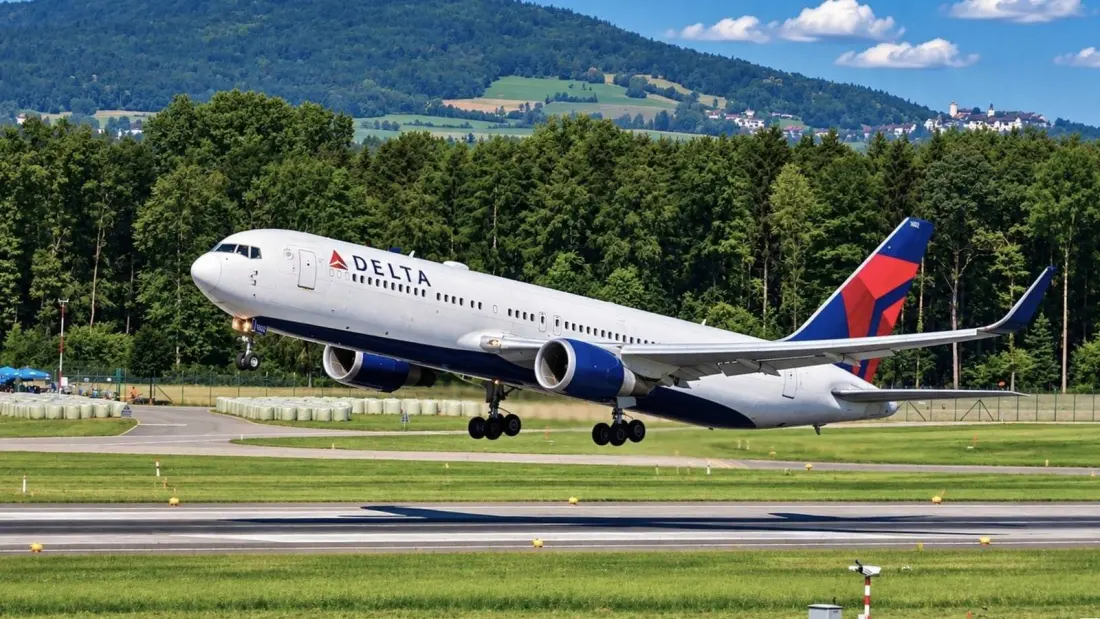
Delta Air Lines has quietly scrapped ten international routes across 2026, and the pattern behind the cuts says a lot about where the airline thinks the money is. Half of the dropped services left New York JFK, with the rest from Atlanta, Minneapolis and Detroit. The last route to go — JFK–Bermuda — stopped in October, while the first, JFK–Brussels on a Boeing 767, ended back in January.
The list skews heavily towards leisure destinations: six of the ten were Caribbean services, including Antigua, Bridgetown, Kingston, Kingstown and Sint Maarten. Brussels, Reykjavík, Mazatlán and Vancouver round it out. Nine of the ten were narrowbody operations, with Brussels the only widebody casualty.
The 'why' comes down to load factors. US Department of Transportation data shows eight of the ten routes flew below Delta's 85% international average. Atlanta–Kingstown managed just 50.4% and JFK–Kingston 54.3% — planes going out barely half full. Two exceptions deserve context: Detroit–Reykjavík performed respectably at 83.1%, but Delta is restarting Iceland flights from Boston instead, while Atlanta–Vancouver ran at 95% yet was only weekly, and partner WestJet already flies the route daily.
A few cancellations aren't true losses for travellers. The JFK–Bermuda service moved to LaGuardia rather than disappearing, and WestJet keeps Atlanta–Vancouver connected under its Delta partnership.
Meanwhile, Delta has been pouring seats into routes that already work. Eight established international routes gained capacity this year, six of them from Atlanta. Atlanta–Providenciales got a 47.8% seat increase and still ran 86.2% full; Minneapolis–Vancouver added nearly 17% capacity and its load factor actually rose to 88.8%. Curaçao, Aruba, San Salvador, Grand Cayman, Montreal and Calgary all gained seats too, all staying above 85% full.
In short: with fuel costs unpredictable, Delta is choosing density over breadth, funneling aircraft into proven Caribbean and Central American markets — especially through its Atlanta megahub — rather than keeping marginal routes alive. For flyers, that means thinner Delta options from secondary hubs like Detroit and Minneapolis to Europe and the smaller Caribbean islands, but more seats (and likely more competition-friendly frequencies) on the sunny routes Delta has doubled down on.