The Dominican Republic is stepping up its anti-dengue operations, and the epicentre is familiar territory for sunseekers: La Altagracia, the province that includes Punta Cana and Bávaro. Health authorities confirmed 15 new cases in the latest weekly bulletin, taking the national total to 415 so far this year. It's a modest number by regional standards, but the geography matters for travellers.
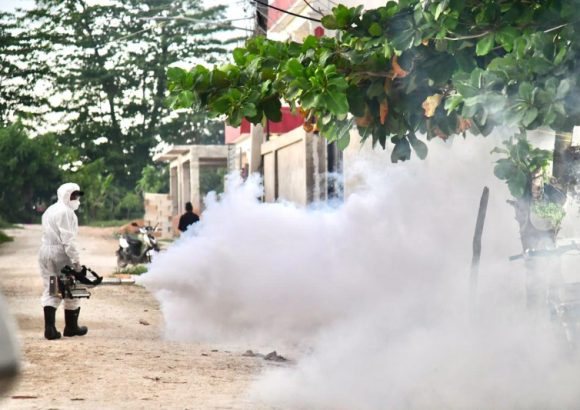
La Altagracia tops the country's case count with 131, ahead of La Romana (37) and Puerto Plata (33). In response, the Health Ministry has been running fumigation campaigns and door-to-door inspections in Higüey, Verón-Bávaro and Anamuya. One recent operation covered 114 streets and 342 homes, inspected hundreds of water tanks and treated 37 that contained mosquito larvae. Teams are also working with hotels and tourism operators in the Punta Cana area through a Water, Sanitation and Hygiene group tackling illegal dumpsites and breeding grounds.
Some context worth knowing: the Dominican Republic actually sits well below the Americas average, with a national rate of 4.89 cases per 100,000 people — up to 95 percent lower than the region's figure. The WHO and PAHO report around 1.7 million suspected cases across the Americas, with far higher rates in parts of South America and the Caribbean. So this is heightened vigilance rather than an outbreak crisis, and resorts in Punta Cana are generally rigorous about mosquito control.
Dengue is spread by day-biting Aedes mosquitoes, which breed in standing water — think plant saucers, gutters and uncovered tanks. Symptoms typically include sudden fever, headache and body aches. Health officials are asking residents to cover water containers and clear out anything that collects rainwater, and they're telling anyone who develops a fever to see a doctor rather than self-medicate — aspirin and ibuprofen can worsen dengue complications. Warning signs that need urgent care include severe abdominal pain, persistent vomiting, bleeding gums or nose, and unusual drowsiness.
For holidaymakers, the practical takeaway is simple. Mosquito-borne illness risk exists year-round in the Caribbean, and dengue is the main one to take seriously in the Dominican Republic. Pack a good repellent with DEET or picaridin and reapply through the day, especially around dawn and dusk, wear long sleeves in the evenings if you're outside resort grounds, and skip stagnant-water spots like mangroves or drainage areas after rain. If you return home with a fever or flu-like symptoms within a couple of weeks of your trip, mention your travel history to your doctor.
None of this should stop you booking Punta Cana — the country's numbers are low and the response is visibly active in exactly the areas tourists visit. But it's a good reminder that a small bottle of repellent belongs in the carry-on alongside the sunscreen.