The Dominican Republic is heading for another strong year. Speaking at the Central Bank's 79th anniversary event, Governor Héctor Valdez Albizu reported that the economy grew 5.6% year-on-year in September 2026, with real GDP up 4.6% across the first nine months. The bank expects around 4.5% growth for the full year.
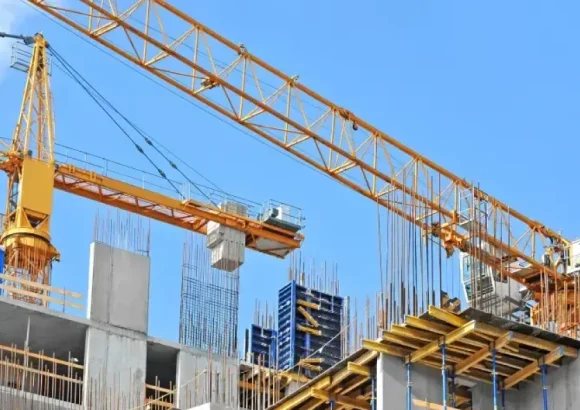
What's behind it? Construction led the pack with 8.2% growth, followed by financial services at 7.8%. Mining and quarrying added 5.2%, and — of most interest to holidaymakers — the hotel, bar and restaurant sector grew 5.6%. Manufacturing and free trade zones lagged behind at 3.4% and 2.8%, so the expansion is clearly uneven across industries.
The foreign currency numbers are where tourism really shows up. Between January and September, tourism revenue hit US$9.7 billion, second only to total exports at US$13.2 billion. Remittances topped US$9.4 billion and foreign direct investment reached roughly US$4.5 billion, pushing total inflows to the point where the bank projects around US$50.7 billion in foreign exchange earnings for the year. International reserves now exceed US$15.2 billion — enough to cover 5.4 months of imports.
There's good news on the cost-of-living front too. Inflation eased from 5.67% in June to 5.12% in September, with projections pointing back inside the bank's 4.0% ± 1.0% target range by the final quarter. The labour market added about 147,000 jobs over twelve months, bringing total employment to just over 5.27 million, while unemployment sits at 5.3% and monetary poverty at 13.75%.
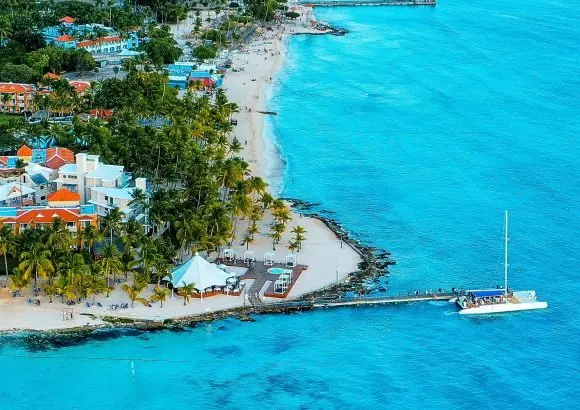
For travellers, the takeaway is simple: the Dominican Republic's tourism engine is running hot and getting more investment, which usually means better infrastructure, refreshed resorts and new flight routes — but also busier beaches in the established hotspots. Rising prosperity and steady prices suggest a destination in confident form heading into 2027, from Punta Cana's resort strip to the growing appeal of Santo Domingo and the north coast.